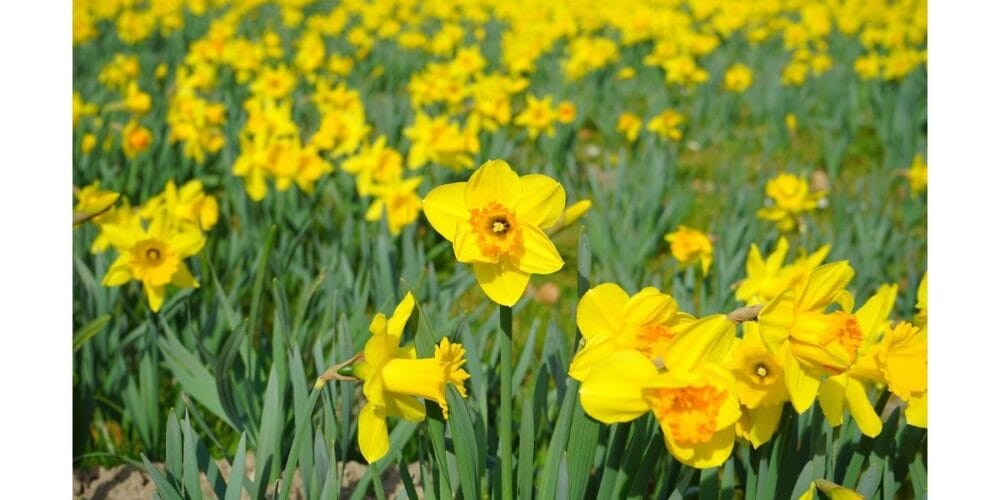
How to Grow Daffodils
Daffodils are among the most cheerful and easy-to-grow flowering plants that brighten gardens with their vibrant yellow, white, and orange blooms. Scientifically known as Narcissus, daffodils are popular spring bulbs that symbolize renewal and new beginnings. Their hardy nature, low maintenance requirements, and ability to multiply over time make them a favorite choice for gardeners and landscapers.
If you want to add bright spring color to your garden, learning how to grow daffodils properly will ensure healthy plants and abundant blooms year after year.
This guide covers everything from planting to care and maintenance.
Table of Contents
Introduction to Daffodils
Daffodils belong to the family Amaryllidaceae and are native mainly to Europe and North Africa. They grow from underground bulbs and typically bloom in early to mid-spring. Their trumpet-shaped flowers and grassy leaves make them ideal for borders, lawns, flower beds, and containers.

These plants are also deer and rodent resistant, making them an excellent choice for gardens where pests are a problem.
Ideal Growing Conditions for Daffodils
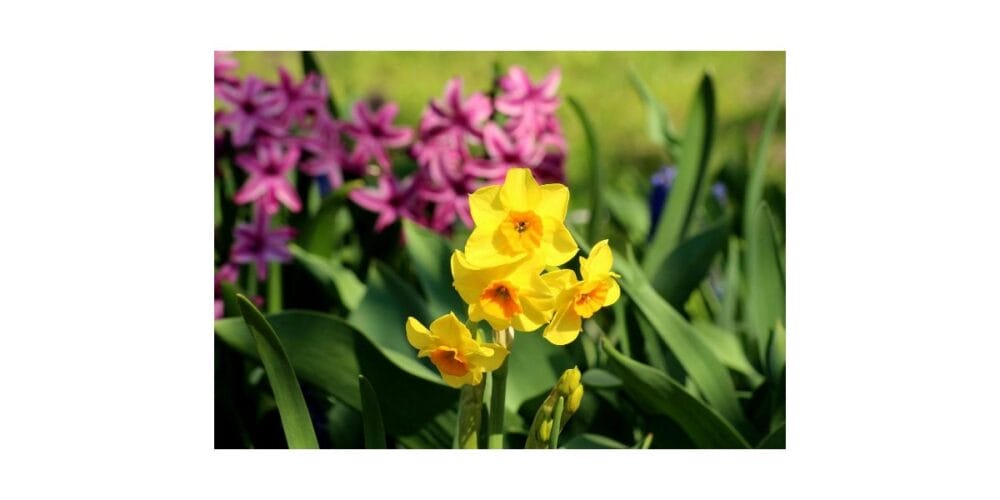
To successfully grow daffodils, it is important to provide the right environmental conditions.
Climate
Daffodils grow best in temperate climates with cool winters. They require a chilling period to bloom properly in spring.
Sunlight
Daffodils prefer full sun but can tolerate partial shade. Ideally, they should receive 6–8 hours of sunlight daily.
Soil
Well-drained soil is essential for daffodil bulbs. The best soil conditions include:
- Loamy or sandy soil
- Good drainage
- Slightly acidic to neutral pH (6.0–7.0)
Waterlogged soil can cause bulb rot, so proper drainage is crucial.
Best Time to Plant Daffodils
The best time to plant daffodil bulbs is during autumn, typically from September to November, before the ground freezes. Planting in fall allows bulbs to develop strong roots before winter dormancy.
In warmer regions, bulbs may require pre-chilling for 6–8 weeks before planting to mimic natural winter conditions.
Also Read: How to Grow Mule Flower: A Complete Guide for Gardeners
How to Plant Daffodil Bulbs
Planting daffodil bulbs correctly ensures healthy growth and strong blooms.
Step-by-Step Planting Guide
- Prepare the Soil
Loosen the soil to a depth of 10–12 inches and mix in compost or organic matter. - Planting Depth
Place bulbs about 2–3 times their height deep (usually 4–6 inches). - Spacing
Space bulbs 3–6 inches apart to allow proper growth. - Position the Bulb
Plant bulbs with the pointed end facing upward. - Water After Planting
Water thoroughly to help settle the soil and encourage root growth. - Mulching
Apply a thin layer of mulch to conserve moisture and protect bulbs from extreme temperatures.
Watering Requirements
Daffodils require moderate watering.
- Water after planting in fall.
- Keep soil slightly moist during active growth.
- Reduce watering once flowers fade.
Overwatering should be avoided because excessive moisture may cause bulbs to rot.
Fertilizer and Nutrient Management
Daffodils benefit from balanced fertilization to promote healthy growth.
Recommended Fertilizers
- Organic compost
- Bone meal
- Balanced NPK fertilizer (10:10:10)
Application
- Apply fertilizer during planting.
- Feed again in early spring when shoots appear.
Proper nutrient management helps develop stronger bulbs and better flowering in the next season.
Care and Maintenance
Deadheading
Remove faded flowers to prevent seed formation and encourage the plant to store energy in the bulb.
Allow Leaves to Mature
Do not cut the leaves immediately after flowering. Let them remain until they turn yellow, as they help store nutrients for the next season.
Dividing Bulbs
Daffodil bulbs multiply naturally. Every 3–4 years, divide crowded clumps to maintain strong flowering.
Common Pests and Diseases
Although daffodils are relatively pest-resistant, they may occasionally face some problems.
Common Pests
- Aphids
- Narcissus bulb fly
- Slugs and snails
Diseases
- Bulb rot
- Fungal infections
- Basal rot
Good drainage, proper spacing, and healthy bulbs help prevent most issues.
Also Read: Tulip Flower Cultivation: A Complete Guide for Gardeners and Growers
Growing Daffodils in Containers
Daffodils can also be grown in pots and containers.
Container Tips
- Use a pot with good drainage holes.
- Fill with well-draining potting mix.
- Plant bulbs closely but not touching.
- Keep containers in a cool place during winter.
Container-grown daffodils are perfect for balconies, patios, and indoor decoration.
Popular Daffodil Varieties
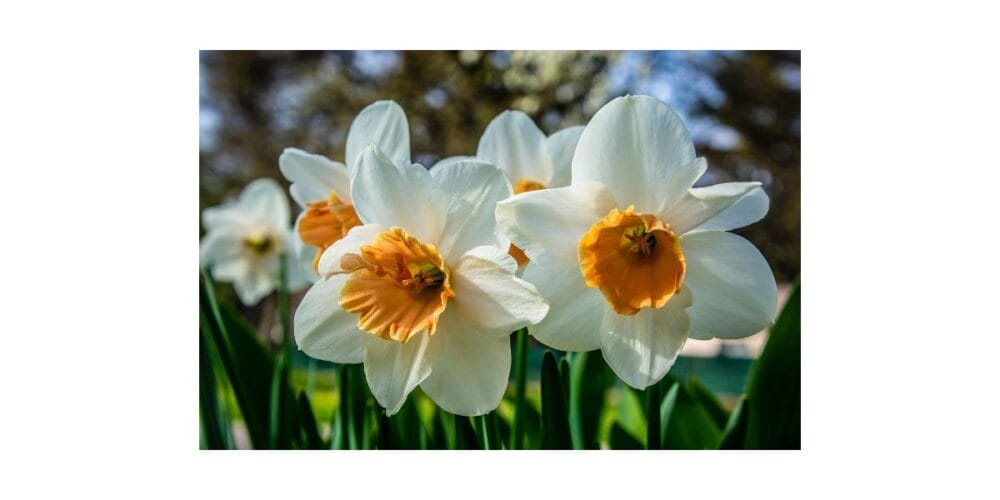
There are thousands of daffodil varieties available worldwide. Some popular types include:
- King Alfred Daffodil – Classic bright yellow trumpet variety
- Ice Follies Daffodil – Large white petals with pale yellow cup
- Tête-à-Tête Daffodil – Compact variety ideal for containers
These varieties offer diverse colors, shapes, and sizes suitable for different garden styles.
Benefits of Growing Daffodils
Growing daffodils offers several advantages:
- Adds bright spring color to landscapes
- Low maintenance and easy to grow
- Deer and rodent resistant
- Naturalizes easily and multiplies each year
- Ideal for borders, lawns, and containers
Because of these benefits, daffodils are widely used in ornamental gardening and landscape design.
Also Read: Parijat Flower Cultivation: A Complete Guide to Growing the Sacred Night-Blooming Tree at Home
Final Thoughts
Daffodils are one of the easiest and most rewarding spring flowers to grow. With proper planting, well-drained soil, and minimal care, these beautiful blooms will return year after year, multiplying and enhancing your garden’s beauty.
Whether planted in flower beds, borders, or containers, Narcissus plants provide vibrant color and charm at the beginning of the gardening season. By following the simple steps outlined in this guide, even beginner gardeners can successfully grow healthy and stunning daffodils.