Winter Vegetables
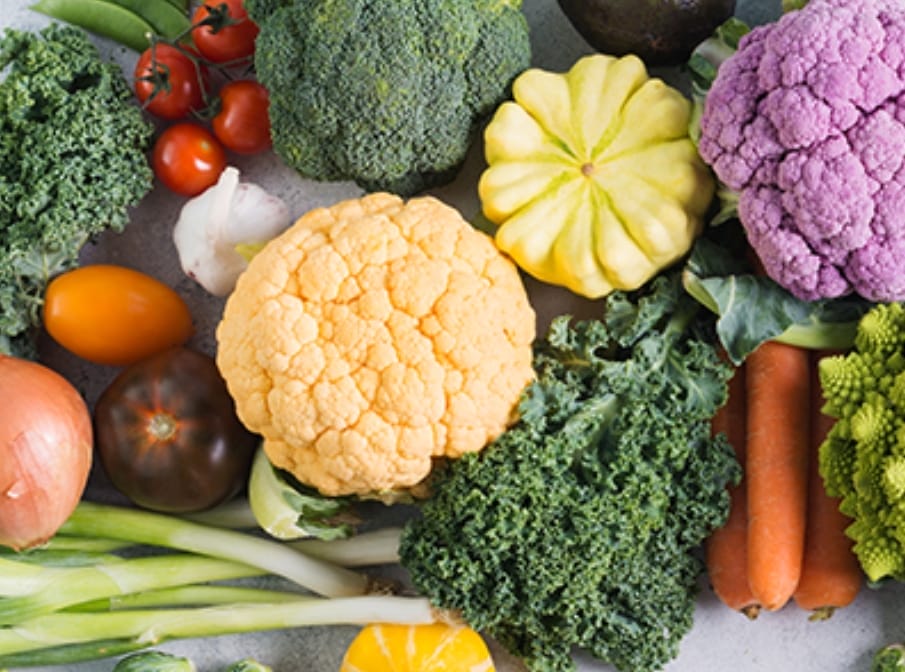
Winter is the perfect season to enjoy fresh, nutritious, and flavorful vegetables. Cooler temperatures help vegetables grow slowly, enhancing their taste, texture, and nutritional value. Winter vegetables are rich in vitamins, minerals, antioxidants, and fiber that help boost immunity, improve digestion, and protect the body from seasonal illnesses.
Including seasonal vegetables in your daily meals is not only healthy but also cost-effective and environmentally friendly.
Below are the top 10 winter vegetables that you should definitely include in your diet during the cold months.
Table of Contents
1. Carrot
Carrots are one of the most popular winter vegetables. They are rich in beta-carotene, which the body converts into vitamin A. Carrots improve eyesight, support immune health, and promote glowing skin. They can be eaten raw, cooked, juiced, or added to soups and curries.


2. Cauliflower
Cauliflower thrives in cool weather and is packed with fiber, vitamin C, and antioxidants. It supports digestion, aids in weight management, and helps reduce inflammation. Cauliflower can be roasted, steamed, fried, or used as a low-carb alternative to rice and flour.
3. Spinach
Spinach is a nutrient-dense leafy green vegetable commonly grown in winter. It is rich in iron, calcium, folate, and vitamins A, C, and K. Spinach helps improve blood health, strengthen bones, and boost immunity. It is widely used in curries, soups, smoothies, and salads.
4. Green Peas
Fresh green peas are a winter favorite. They are an excellent source of plant-based protein, fiber, and essential vitamins. Green peas support heart health, improve digestion, and help maintain stable blood sugar levels. They are commonly added to pulao, curries, and snacks.
5. Radish
Radish is a fast-growing winter vegetable known for its crisp texture and pungent flavor. It is rich in vitamin C, potassium, and antioxidants. Radish improves digestion, detoxifies the liver, and supports kidney health. Both radish roots and leaves are edible and nutritious.
6. Beetroot
Beetroot is a colorful winter vegetable loaded with iron, folate, and nitrates. It improves blood circulation, boosts stamina, and supports heart health. Beetroot can be consumed raw in salads, boiled, roasted, or blended into juices.
Also Read: Beetroot Cultivation: A Complete Guide for Successful Farming
7. Cabbage
Cabbage grows well in cold climates and is high in fiber, vitamin C, and phytonutrients. It supports gut health, strengthens immunity, and helps reduce cholesterol levels. Cabbage is commonly used in stir-fries, soups, salads, and fermented foods like sauerkraut.
8. Turnip
Turnips are root vegetables that flourish during winter. They are low in calories and rich in vitamin C, potassium, and fiber. Turnips support digestion, improve immunity, and help maintain healthy blood pressure. Both turnip roots and greens can be cooked and eaten.
9. Fenugreek (Methi)
Fenugreek leaves are widely consumed during winter, especially in Indian cuisine. They are rich in iron, fiber, and antioxidants. Methi helps regulate blood sugar levels, improves digestion, and boosts metabolism. It is commonly used in parathas, curries, and dals.
10. Broccoli
Broccoli is a highly nutritious winter vegetable rich in vitamins C, K, fiber, and antioxidants. It supports immune function, improves bone health, and may help reduce the risk of chronic diseases. Broccoli can be steamed, stir-fried, roasted, or added to soups.
Also Read: How to Grow Your Own Organic Broccoli
Benefits of Eating Winter Vegetables
Eating winter vegetables offers several health benefits. They help strengthen the immune system during cold weather, improve digestion, provide warmth to the body, and supply essential nutrients that are often lacking in winter diets. Seasonal vegetables are fresher, tastier, and more affordable compared to off-season produce.
Tips for Consuming Winter Vegetables
- Choose fresh, locally grown vegetables for maximum nutrition
- Wash vegetables thoroughly before use
- Avoid overcooking to preserve nutrients
- Combine different vegetables for a balanced diet
Conclusion
Winter vegetables are nature’s gift for maintaining health during the colder months. From leafy greens to root vegetables, each winter vegetable provides unique nutrients and health benefits. Including a variety of seasonal vegetables in your meals can help improve immunity, digestion, and overall well-being. Make the most of the winter season by enjoying these nutritious vegetables in your daily diet.
Frequently Asked Questions (FAQ)
Q1. Why are winter vegetables healthier?
Winter vegetables grow slowly in cool temperatures, which helps them retain more nutrients, flavor, and antioxidants.
Q2. Which winter vegetable boosts immunity the most?
Spinach, broccoli, cabbage, and carrots are excellent for boosting immunity due to their high vitamin C and antioxidant content.
Q3. Can winter vegetables help with weight loss?
Yes, most winter vegetables are low in calories and high in fiber, which helps control hunger and supports weight management.
Q4. Are leafy vegetables safe to eat in winter?
Yes, leafy vegetables like spinach and fenugreek are safe and highly nutritious when washed and cooked properly.
Q5. How often should winter vegetables be consumed?
Winter vegetables can be eaten daily as part of a balanced diet for optimal health benefits.
Also Read:Best Vegetables To Grow This Winter