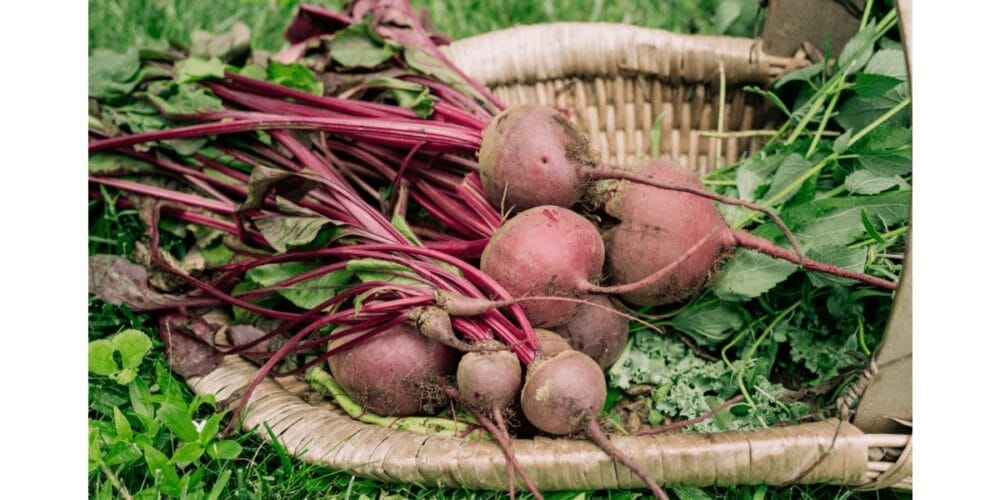
The Complete Guide to Growing Beets
Beets (Beta vulgaris) are one of the most rewarding vegetables to grow at home. They mature quickly, thrive in cool weather, and offer two edible harvests—tender greens and nutritious roots. Whether you’re a beginner gardener or an experienced grower, learning how to grow beets from seed to harvest can ensure a steady supply of fresh, flavorful produce. This complete guide walks you through every stage of beet cultivation, from soil preparation to harvesting and storage.
Table of Contents
Why Grow Beets in Your Garden?
Beets are packed with nutrients such as folate, fiber, potassium, and antioxidants. They are versatile in the kitchen, delicious roasted, grated raw in salads, or juiced. From a gardening perspective, beets are easy to grow, require minimal space, and adapt well to containers and raised beds.
Choosing the Right Beet Varieties
Selecting the right beet variety is the first step toward a successful harvest. Popular beet types include:


- Detroit Dark Red – A classic variety with deep red, round roots.
- Chioggia – Known for its beautiful red-and-white rings and mild flavor.
- Golden Beet – Sweet, less earthy, and won’t stain your hands.
- Cylindra – Long, cylindrical roots ideal for slicing.
Choose varieties based on taste preference, climate, and available garden space.
Also Read: Best Types of Lettuce to Grow in Your Garden
When to Plant Beet Seeds
Beets are cool-season crops that grow best in temperatures between 10–25°C (50–75°F).
- Spring Planting: Sow seeds 2–4 weeks before the last expected frost.
- Fall Planting: Plant 6–8 weeks before the first frost for a fall harvest.
- Succession Planting: Sow seeds every 2–3 weeks for a continuous harvest.
Preparing the Soil for Beets
Healthy soil is crucial for producing smooth, well-shaped beet roots.
- Soil Type: Loose, well-drained, sandy loam soil is ideal.
- Soil pH: Beets prefer slightly acidic to neutral soil (pH 6.0–7.0).
- Soil Preparation: Remove stones and clumps, as obstructions can cause misshapen roots.
- Organic Matter: Mix in compost or well-rotted manure to improve fertility.
Avoid fresh manure, which can lead to excessive leaf growth and poor root development.
Also Read: The Best Types of Basil to Grow in an Herb Garden
How to Sow Beet Seeds
Beet “seeds” are actually seed clusters, meaning each one can produce multiple seedlings.
- Sow seeds about 1–2 cm deep.
- Space rows 30–40 cm apart.
- Water gently after planting to keep soil consistently moist.
- Seeds usually germinate within 7–14 days.
Thinning Beet Seedlings
Thinning is essential for proper root development.
- When seedlings are about 5–7 cm tall, thin them to 7–10 cm apart.
- Use scissors instead of pulling seedlings to avoid disturbing roots.
- Don’t waste thinned seedlings—young beet greens are excellent in salads.
Watering and Fertilizing Beets
Watering
Beets require consistent moisture to prevent woody or bitter roots.
- Water deeply once or twice a week.
- Avoid waterlogging, which can cause root rot.
- Mulch around plants to retain moisture and regulate soil temperature.
Fertilizing
- Use a balanced fertilizer or one slightly higher in potassium.
- Avoid excess nitrogen, which promotes leafy growth at the expense of root formation.
- A light side-dressing of compost mid-season can boost growth.
Caring for Beet Plants
- Weeding: Keep the area weed-free, especially during early growth stages.
- Mulching: Straw or dry leaves help suppress weeds and conserve moisture.
- Pest Control: Common pests include leaf miners and aphids. Neem oil or insecticidal soap can help.
- Disease Prevention: Ensure good air circulation and avoid overhead watering to reduce fungal diseases.
Growing Beets in Containers
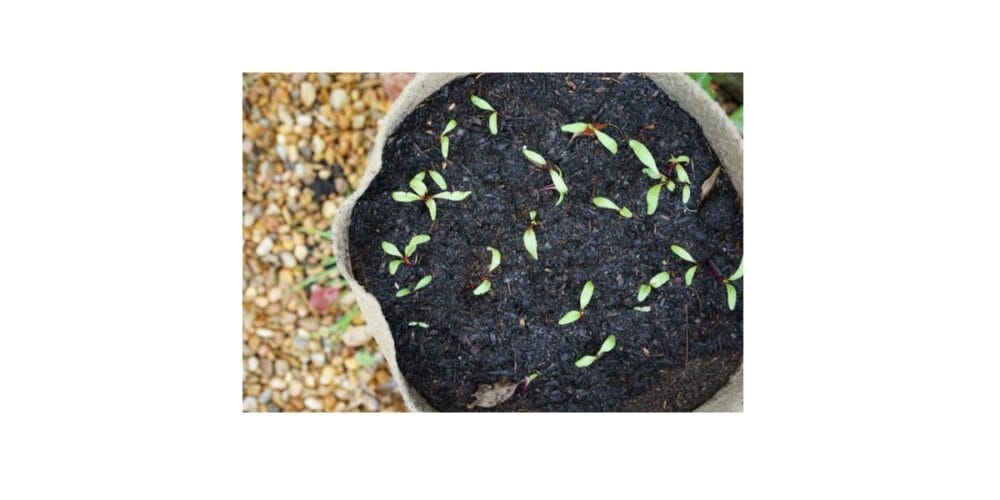
Beets are well-suited for container gardening.
- Choose containers at least 25–30 cm deep.
- Use loose, high-quality potting mix.
- Ensure proper drainage holes.
- Place containers in a spot that receives 6–8 hours of sunlight daily.
When and How to Harvest Beets
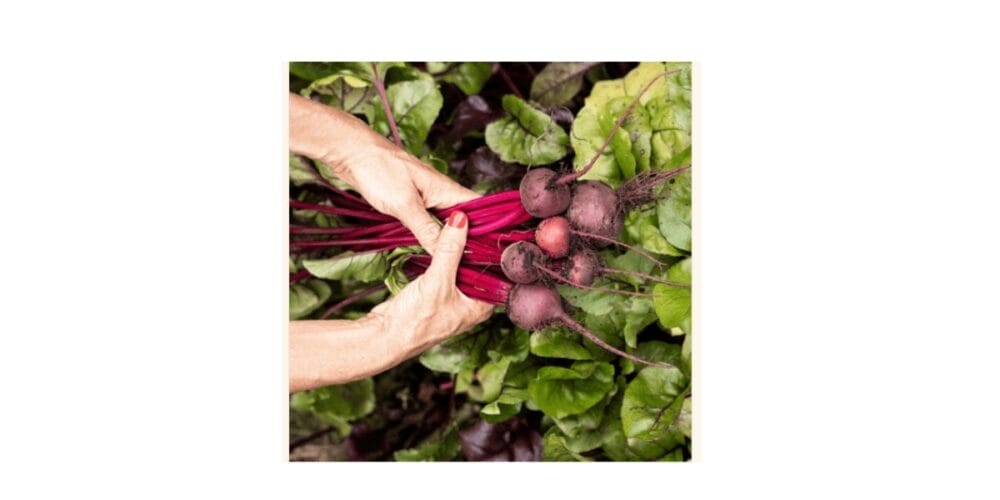
Beets are typically ready for harvest 45–70 days after planting, depending on the variety.
Also Read: Basics of Composting at Home: A Complete Beginner’s Guide
Harvesting Beet Roots
- Harvest when roots are 3–7 cm in diameter for best flavor.
- Gently loosen soil and pull roots by the tops.
- Larger beets are still edible but may be tougher.
Harvesting Beet Greens
- Greens can be harvested earlier, once they reach 10–15 cm tall.
- Never remove more than one-third of the leaves at a time to avoid stressing the plant.
Storing and Using Your Beet Harvest
- Short-Term Storage: Remove greens, leaving 2–3 cm of stem. Store roots in the refrigerator for up to 2 weeks.
- Long-Term Storage: Beets can be stored in a cool, dark place packed in sand or sawdust for several months.
- Preservation Options: Pickling, roasting and freezing, or canning are excellent ways to extend shelf life.
Final Thoughts
Growing beets from seed to harvest is a simple and satisfying gardening experience. With proper soil preparation, consistent watering, and timely harvesting, you can enjoy sweet, tender beets and nutritious greens throughout the growing season. Whether planted in garden beds, raised beds, or containers, beets reward your efforts with vibrant color, rich flavor, and impressive nutritional value. Add beets to your garden plan, and you’ll soon discover why they’re a favorite among home gardeners worldwide.
Also Read: About The Complete Guide to Growing Beets from Seed to Harvest on gardenary.com Site