5 Tips to Grow Stunning Strawflowers in Your Kitchen Garden
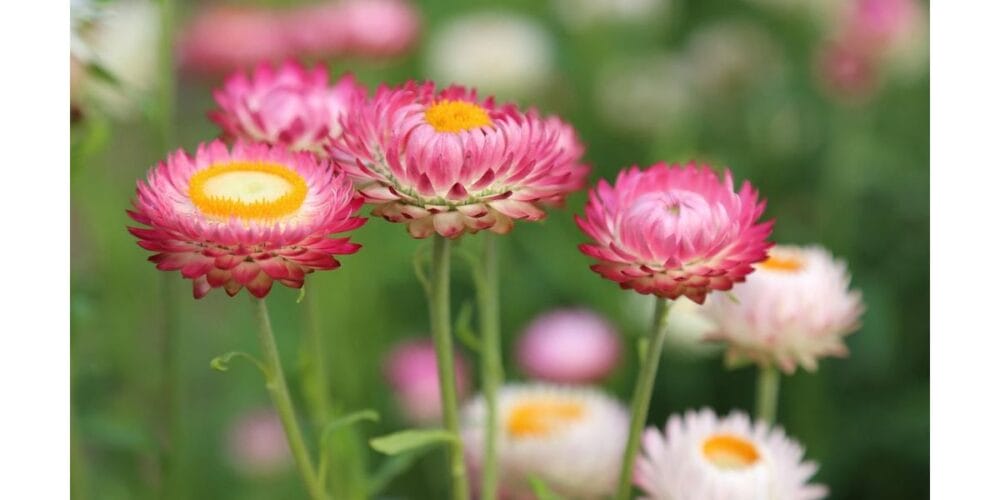
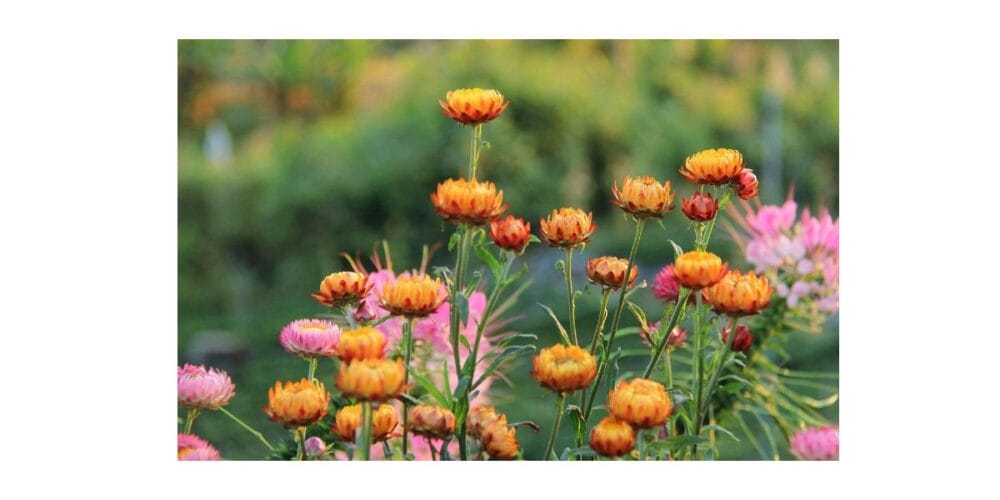
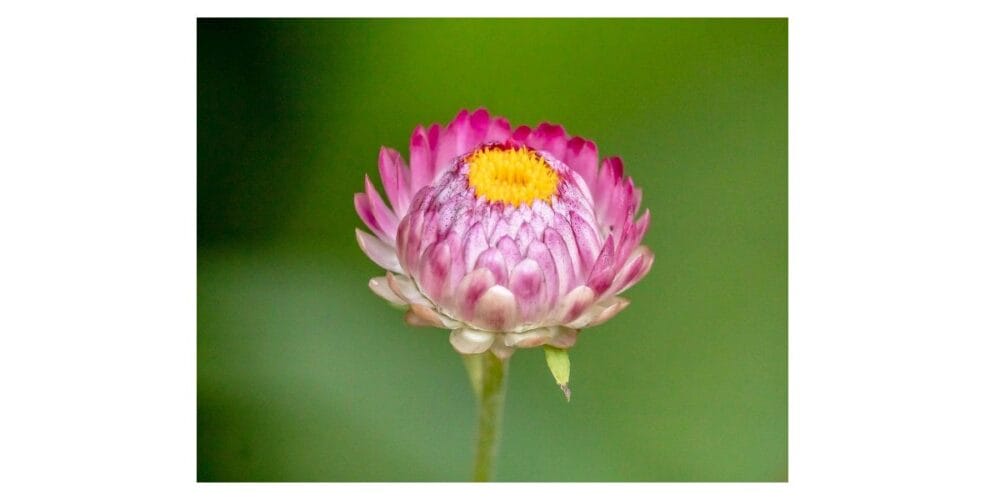
Strawflowers (Xerochrysum bracteatum), also known as everlasting flowers, are a delightful addition to any kitchen garden. Loved for their papery petals and vibrant colors that retain their beauty long after harvesting, strawflowers are easy to grow, drought-tolerant, and perfect for fresh or dried arrangements. Whether you want to brighten up your garden beds or create long-lasting bouquets for indoors, strawflowers are a rewarding choice for beginner and experienced gardeners alike.
Follow these five essential tips to grow healthy, colorful, and stunning strawflowers right in your kitchen garden.
1. Choose a Sunny Spot with Well-Drained Soil
Strawflowers thrive in bright sunlight and need at least 6 to 8 hours of direct sun daily. Choose the sunniest part of your kitchen garden, such as along borders, raised beds, or containers placed in open areas.
Well-drained soil is crucial for healthy growth. Strawflowers dislike soggy conditions and are prone to root rot in heavy or waterlogged soil. Loamy or sandy soil enriched with compost works best. Before planting, loosen the soil to improve aeration and mix in well-rotted compost to enhance soil structure without making it overly rich.




Tip: Avoid high-nitrogen soils, as excessive nitrogen promotes leafy growth at the expense of flowers.
Also Read: Marigold Farming: A Complete Guide to Profitable Flower Cultivation
2. Start Seeds at the Right Time
Strawflowers grow best when sown at the correct time. In warm climates, seeds can be sown directly into the garden after the last frost. In cooler regions, start seeds indoors 4 to 6 weeks before the last frost and transplant seedlings once temperatures warm up.
Sow seeds shallowly, as strawflower seeds need light to germinate. Lightly press them into the soil and mist gently. Germination usually occurs within 7 to 14 days.
Once seedlings develop 2–3 true leaves, thin them to allow proper spacing. Well-spaced plants have better air circulation and produce more flowers.
Spacing guide: Keep plants about 25–30 cm apart for optimal growth.
3. Water Wisely for Strong Plants
One of the biggest mistakes gardeners make with strawflowers is overwatering. These plants are drought-tolerant once established and prefer slightly dry conditions rather than consistently wet soil.
Water young seedlings regularly until they establish strong roots. After that, water only when the top layer of soil feels dry. Deep, infrequent watering encourages roots to grow deeper, making plants more resilient.
Avoid overhead watering whenever possible, as wet foliage can invite fungal diseases. Instead, water at the base of the plant early in the morning.
Tip: Mulching lightly around the base helps retain moisture while preventing weed growth, but avoid thick mulch that traps excess moisture.
Also Read: Lotus Flower Cultivation: A Complete Guide for Farmers and Gardeners
4. Pinch and Deadhead for More Blooms
To encourage bushier plants and more flowers, pinch back the growing tips when plants reach about 15–20 cm in height. This simple step promotes branching and results in more flower stems throughout the season.
Deadheading is equally important. Remove spent blooms regularly to prevent the plant from putting energy into seed production. This encourages continuous flowering and keeps plants looking neat and vibrant.
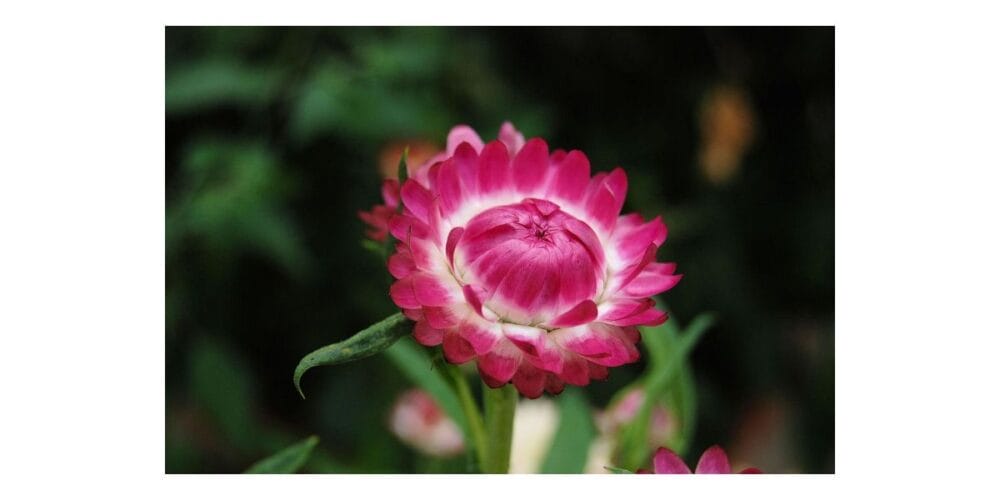
If you plan to dry strawflowers, harvest blooms just as they begin to open, when the centers are tight and the colors are most intense. Cut stems in the morning after dew has dried for the best results.
5. Feed Lightly and Protect from Pests
Strawflowers are light feeders and do not require heavy fertilization. Too much fertilizer, especially nitrogen-rich formulas, can reduce flower production. A balanced organic fertilizer or compost tea applied once every 3–4 weeks is sufficient to support healthy growth.
In kitchen gardens, strawflowers are generally pest-resistant, but occasional aphids or caterpillars may appear. Inspect plants regularly and remove pests by hand when possible. Neem oil spray or a mild soap solution works well as an organic pest control option.
Good air circulation, proper spacing, and avoiding overwatering go a long way in preventing common problems such as powdery mildew and fungal diseases.
Bonus Tip: Growing Strawflowers in Containers
If space is limited, strawflowers grow beautifully in containers. Choose pots with drainage holes and use a well-draining potting mix. Place containers in a sunny location and water sparingly. Container-grown strawflowers are easy to move and make a colorful addition to balconies and patios.
Also Read: Aloe Vera Plant with Flower: A Rare and Beautiful Sight
Final Thoughts
Growing stunning strawflowers in your kitchen garden is simple, rewarding, and surprisingly low-maintenance. With plenty of sunlight, well-drained soil, careful watering, and regular pinching, these cheerful blooms will reward you with vibrant color all season long. Whether you enjoy them fresh in the garden or dried for everlasting arrangements, strawflowers bring beauty and charm to any home garden.
By following these five tips, you’ll be well on your way to growing healthy strawflowers that truly live up to their name—long-lasting, resilient, and absolutely stunning.
Also Read: About 5 Tips to Grow Stunning Strawflowers in Your Kitchen Garden on gardenary.com Site