Wheat Exporter in the World?
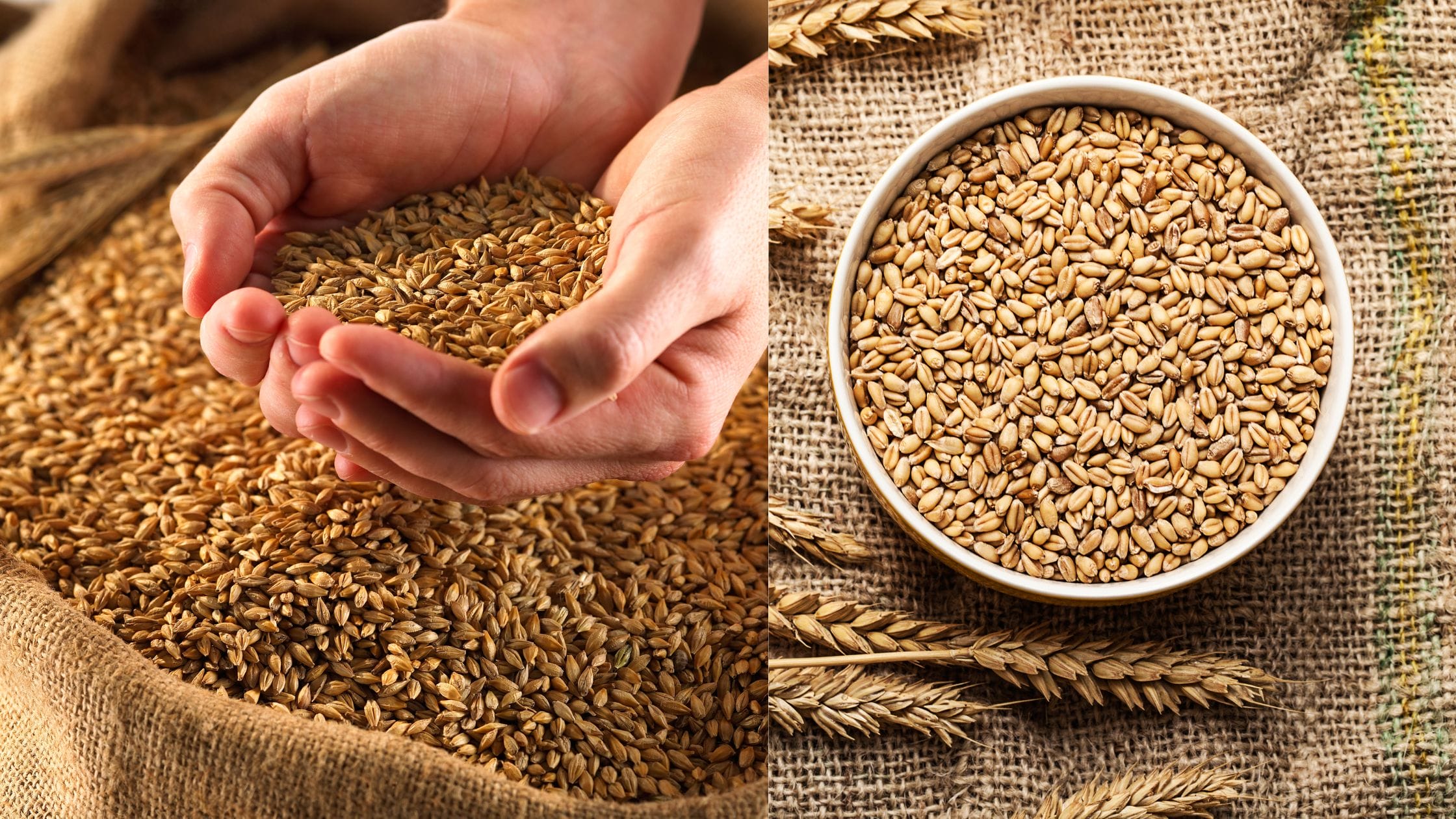
Wheat is one of the most vital staple crops globally, serving as a cornerstone of food security and international trade. In recent years, the global wheat export market has seen significant shifts due to geopolitical tensions, climate variability, and changing agricultural policies.
Which country is the Highest Wheat Exporter in the World?
Russia stands out as the largest wheat exporter in the world, both in terms of value and volume, as per the latest data from 2023–2024.
Why is Russia the highest exporter in the world?
Russia has emerged as the highest wheat exporter in the world due to a combination of geographic, economic, and strategic factors. Here’s a breakdown of the key reasons behind Russia’s dominance in global wheat exports:
1. Vast Agricultural Land and Favourable Climate
Russia is the largest country by land area, with about 13% of its territory suitable for agriculture. The temperate continental climate—cold winters and hot summers—is ideal for wheat cultivation, especially in the southern and western regions where rainfall and soil fertility are optimal.




2. High Production and Yield Improvements
Russia has significantly boosted its wheat yield and quality over the years by investing in:
- Modern farming technologies
- High-yielding wheat varieties
- Efficient irrigation and fertilisation systems
- Advanced harvesting machinery
These improvements have led to record harvests, such as 92–100 million tonnes in 2022–2023, making Russia the top exporter.
3. Competitive Cost Structure
Russia enjoys a low cost of production due to:
- Abundant natural resources
- Affordable labor
- Low agricultural taxes
- Favourable exchange rates
This allows Russian wheat to be priced competitively in international markets.
4. Strategic Export Infrastructure
Russia has access to major seaports, such as Novorossiysk and the Black Sea, which facilitate efficient grain shipping. In 2021, 36% of cultivated land was devoted to wheat, and 64% of that was managed by agricultural enterprises, ensuring large-scale production.
5. Diversified Export Markets
Russia has expanded its wheat exports to both traditional and emerging markets, including:
- Egypt
- Turkey
- Bangladesh
- Nigeria
- China
In many African countries, Russia supplies over 30% of wheat imports, with some nations like Benin relying 100% on Russian wheat.
6. Rising Global Demand
Global demand for wheat has surged due to:
- Population growth
- Urbanization
- Changing dietary habits
Russia has capitalised on this demand, increasing its market share to 26% of global wheat trade in 2023–2024.
7. Government Support and Export Strategy
The Russian government has actively supported wheat exports through:
- Export incentives
- Infrastructure development
- Strategic trade agreements
- Plans to increase grain exports to 80 million tonnes by 2030
Despite challenges such as sanctions and weather issues, Russia remains the leading global wheat exporter.
Top Russian Wheat Varieties for Export
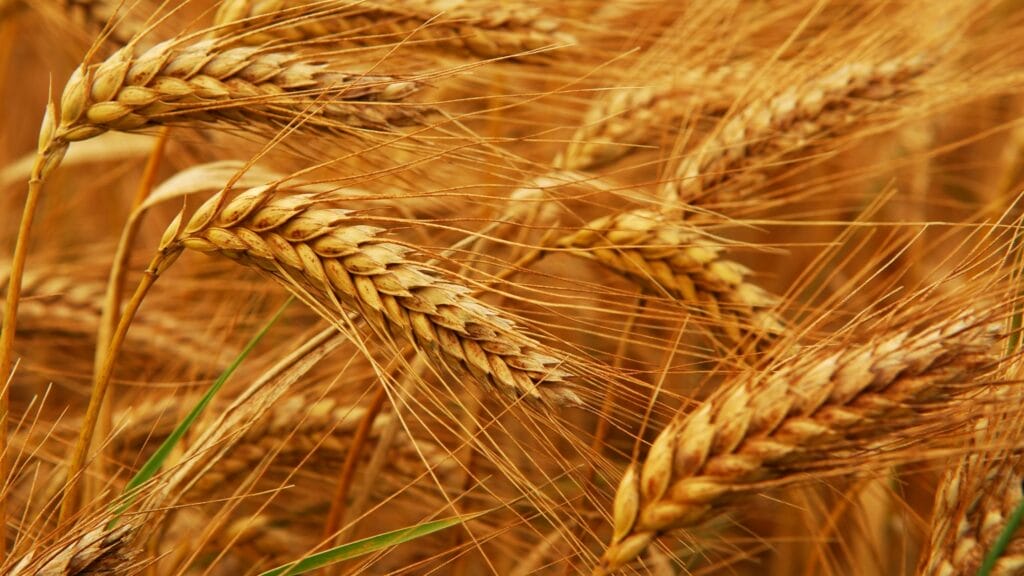
Russia exports a wide range of high-quality wheat varieties that cater to diverse international markets. These varieties are selected for their yield, adaptability, gluten content, and suitability for different food products. Here’s a detailed look at the best Russian wheat varieties suitable for export:
Top Russian Wheat Varieties for Export
1. Grade 1 Soft Red Winter Wheat
- Export Value (2023): \$4.35 billion
- Use: Bread, pastries, and general flour production
- Features: High yield, soft texture, moderate gluten content
- Major Importers: Egypt, Brazil, Sudan
2. Grade 2 Hard Red Winter Wheat
- Export Value (2023): \$2.87 billion
- Use: Bread and baking products requiring stronger gluten
- Features: High protein content, robust gluten strength
- Major Importers: Brazil, South Korea
3. Durum Wheat
- Export Value (2023): \$1.87 billion
- Use: Pasta and semolina production
- Features: Very high gluten content, hard texture
- Major Importers: Italy, Turkey, Iran
4. Hard Red Spring Wheat
- Export Value (2023): \$600 million
- Use: Premium baking flour
- Features: High protein and gluten strength
- Major Importers: Indonesia, Vietnam
5. Soft White Wheat
- Use: Cakes, pastries, and noodles
- Features: Low protein, soft texture
- Major Importers: Vietnam, Italy
6. Organic Wheat
- Export Value (2023): \$400 million
- Use: Health-conscious and speciality markets
- Features: Grown without synthetic fertilisers or pesticides
- Major Importers: Iran, South Korea, Bangladesh
Popular Russian Domestic Varieties with Export Potential
These varieties are cultivated widely in Russia and are known for their adaptability and yield:
Saratovskaya-70
- Type: Soft spring wheat
- Yield: Up to 45 quintals/hectare
- Features: White grain, high yield, drought-resistant
Dobrynya
- Type: Soft spring wheat (Lutescens)
- Yield: ~40 quintals/hectare
- Features: Red grain, resistant to lodging and shedding
Kharkovskaya-46
- Type: Hard spring wheat
- Features: Drought-tolerant, white grain, high yield
Melanopus-26
- Type: Hardy spring wheat
- Features: Large white grains, adaptable to various climates
Moscow-39 (Winter Wheat)
- Type: Soft winter wheat
- Features: Red grain, frost-resistant, disease-resistant
Export Specifications
- Protein Content: 10.5% – 14.5%
- Gluten Strength: 22% – 32%
- Moisture Content: ≤ 14%
- Test Weight: 74–80 kg/hl
- Infestation: 100% pest-free (certified)
- Packaging: 25kg, 50kg bags, jumbo bags, bulk loose
- Shelf Life: 6–12 months
Other Top Wheat Exporting Countries (2023–2024)
Here are the leading wheat exporters based on the latest available data:
| Country | Export Value (USD) | Export Volume (Metric Tons) | Global Market Share |
|---|---|---|---|
| Russia | \$9.82 billion | 30.54 million tons | 16.5% |
| Australia | \$9.33 billion | 29.40 million tons | 15.7% |
| Canada | \$8.84 billion | 25.58 million tons | 14.9% |
| United States | \$6.13 billion | 17.94 million tons | 10.3% |
| France | \$3.98 billion | 13.48 million tons | 6.7% |
| Ukraine | \$2.94 billion | 16.15 million tons | 4.9% |
| Romania | \$2.22 billion | 8.17 million tons | 3.7% |
| Poland | \$1.96 billion | 6.97 million tons | 3.3% |
| Germany | \$1.93 billion | 6.74 million tons | 3.3% |
| Kazakhstan | \$1.85 billion | 7.20 million tons | 3.1% |
Global Wheat Export Trends
- Total Global Wheat Exports (2023): $59.51 billion
- Total Export Volume: 184 million metric tons
- Top 5 Exporters’ Share: Over 63.8% of global wheat export value
Russia’s dominance is attributed to its vast arable land, favourable climate, and strategic export infrastructure. Despite geopolitical challenges, including the ongoing conflict with Ukraine, Russia has managed to maintain and even increase its wheat exports.
Regional Contributions
- Europe: ~50.7% of global wheat exports
- North America (USA & Canada): ~25.4%
- Oceania (Australia): ~15.8%
- Asia & Latin America: ~9%
Export Declines and Growth
- Countries with Declines: Russia (-58.3%), Australia (-39.5%), Kazakhstan (-39.4%)
- Countries with Growth: Argentina (+123.6%), Ukraine (+27.1%), Hungary (+16.4%)
These fluctuations are often driven by weather conditions, trade policies, and global demand shifts.
Major Importers of Wheat
While some countries dominate exports, others are heavily reliant on imports. The largest wheat importers include:
- Egypt
- Indonesia
- China
- Algeria
- Philippines
These nations face domestic production challenges and rely on global suppliers to meet their food needs.
Conclusion
Russia currently leads the world in wheat exports, followed closely by Australia and Canada. The global wheat trade is concentrated among a few key players, and any disruption in these regions—be it political, environmental, or economic—can significantly impact global food security and prices.