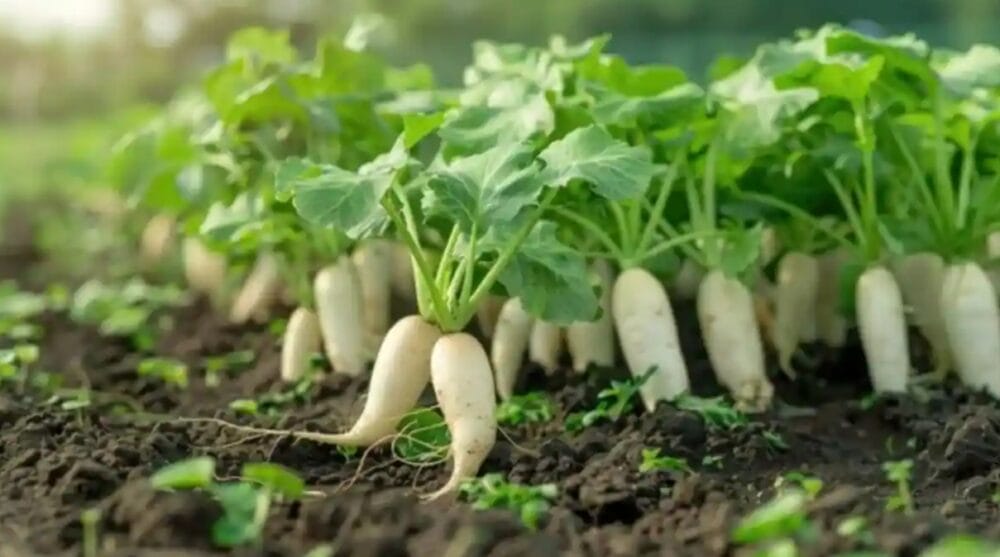
Radish (Raphanus sativus) is one of the fastest-growing and easiest vegetables to cultivate, making it ideal for home gardeners and commercial farmers alike. Known for its crisp texture, pungent flavor, and nutritional benefits, radish is widely used in salads, curries, and traditional dishes.
With minimal care and a short growing period, radish cultivation can provide quick returns and continuous harvests. This blog explains radish cultivation step by step, from climate and soil requirements to harvesting and storage.
Table of Contents
Climate and Season for Radish Cultivation
Radish is a cool-season crop that grows best in mild temperatures. The ideal temperature range for radish growth is 10–20°C. High temperatures cause radish roots to become fibrous, hollow, and pungent.
In tropical and subtropical regions like India, radish is mainly grown during the winter season (October to February). In hilly areas, it can also be cultivated during summer.
Soil Requirements
Radish grows well in loose, fertile, and well-drained soil. Sandy loam or loamy soil rich in organic matter is ideal because it allows roots to grow straight and smooth. Heavy clay soil should be avoided as it causes misshapen roots.
- Soil pH: 5.5–6.8
Before sowing, the field should be plowed 2–3 times to remove weeds and clods. Adding well-decomposed farmyard manure (FYM) at 15–20 tons per hectare improves soil fertility and structure.

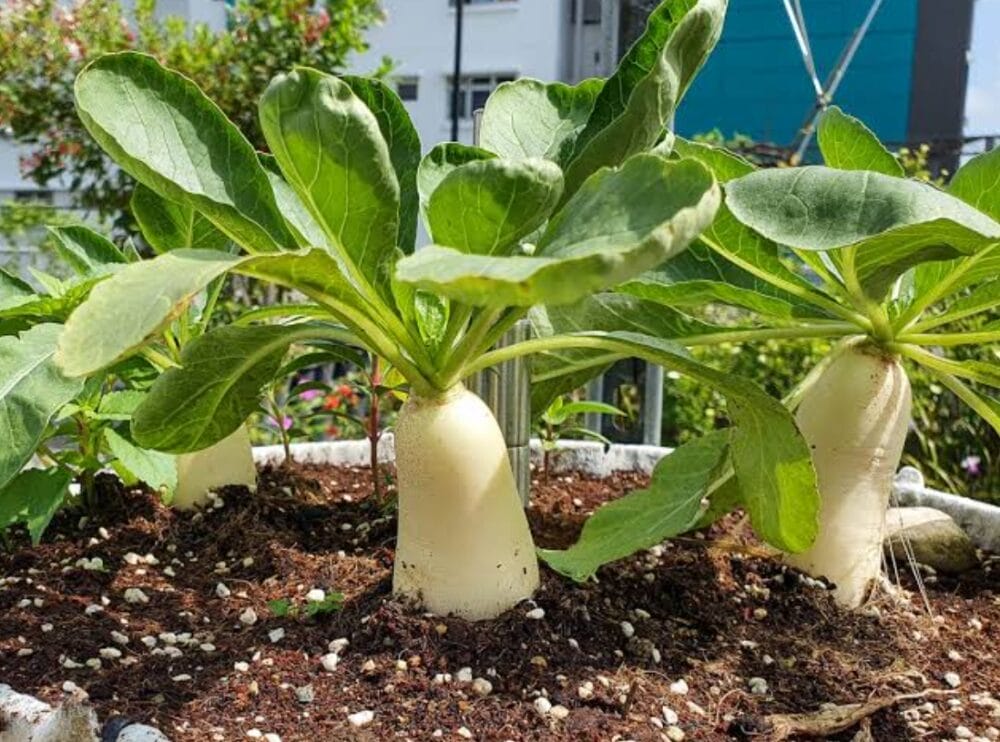
Popular Radish Varieties
Choosing the right variety is crucial for better yield and quality. Some popular radish varieties include:
- Pusa Himani – Suitable for cooler climates
- Pusa Chetki – Ideal for summer cultivation
- Pusa Snow White – Mild flavor, white roots
- Punjab Safed – Long, white, and juicy roots
- Scarlet Globe – Round, red radish for salads
Also Read: Ladies Finger (Okra) Cultivation: A Complete Guide for High Yield Farming
Seed Rate and Sowing Method
Radish is usually grown by direct sowing of seeds.
- Seed rate: 8–10 kg per hectare
- Spacing:
- Row-to-row: 30 cm
- Plant-to-plant: 10 cm
Seeds should be sown at a depth of 1–1.5 cm. After germination, thinning is done to maintain proper spacing, which ensures healthy root development.
Manure and Fertilizer Management
Radish is a quick-growing crop, so balanced nutrition is important.
- Apply FYM or compost during land preparation.
- A general fertilizer recommendation per hectare is:
- Nitrogen (N): 50–60 kg
- Phosphorus (P): 40 kg
- Potassium (K): 40 kg
Half of nitrogen and full doses of phosphorus and potassium should be applied as a basal dose. The remaining nitrogen can be applied 20–25 days after sowing.
Also Read: Top 8 Micronutrient Fertilizers: Importance, Types, Benefits, and Application
Irrigation Management
Radish requires frequent but light irrigation, especially during early growth stages.
- First irrigation should be given immediately after sowing.
- Subsequent irrigations are given at intervals of 5–7 days depending on soil and climate.
Water stress can cause roots to become bitter and cracked, while over-irrigation may lead to root rot.
Weed Control
Weeds compete with radish plants for nutrients and moisture.
- Hand weeding 15–20 days after sowing is usually sufficient.
- Mulching with organic materials like straw or dry leaves helps conserve moisture and suppress weeds.
Pests and Diseases
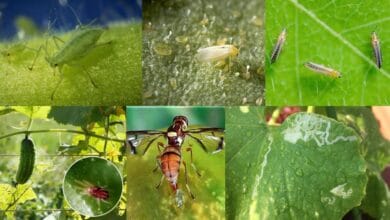
Common pests affecting radish include aphids, flea beetles, and root maggots. Diseases such as downy mildew, leaf spot, and clubroot can also occur.
- Use disease-resistant varieties.
- Practice crop rotation.
- Remove infected plants promptly.
- Use organic or recommended pesticides only when necessary.
Harvesting
Radish matures quickly, usually within 25–45 days, depending on the variety. Harvesting should be done when roots are tender and of proper size. Delayed harvesting results in spongy, pungent roots.
Radishes are harvested by pulling out the entire plant. Leaves can be trimmed before marketing.
Yield
Average radish yield ranges from 200 to 300 quintals per hectare, depending on variety, soil fertility, and management practices.
Storage and Marketing
Radish is best consumed fresh. For short-term storage, roots can be kept in cold storage at 0–2°C with high humidity, where they can last up to 2–3 weeks. Proper cleaning and grading improve market value.
Frequently Asked Questions (FAQ)
Q1. How long does radish take to grow?
Radish takes about 25–45 days from sowing to harvest, depending on the variety.
Q2. Can radish be grown in pots or containers?
Yes, radish grows well in containers with at least 20–25 cm depth and well-drained soil.
Q3. Why are my radish roots hollow or bitter?
Hollow or bitter roots are caused by high temperature, water stress, or delayed harvesting.
Q4. What is the best fertilizer for radish?
A balanced application of organic manure and NPK fertilizers gives the best results.
Q5. How often should radish be watered?
Radish should be watered every 5–7 days, keeping the soil consistently moist.
Q6. Can radish leaves be eaten?
Yes, radish leaves are edible and rich in nutrients. They can be used in soups, curries, and stir-fries.
Radish cultivation is simple, cost-effective, and rewarding. With proper soil preparation, timely irrigation, and good crop management, farmers and gardeners can enjoy healthy, high-quality radishes in a short time.
Also Read: Horticulture :: Vegetables :: Radish
-
-
-
-

-

-

-
-
-
-
-
-

-
-
-

-
-

-

-
-
-

-
-
-
-
-

-

-
-
-

-
-
-

-

-
-

-
-
-

-

-
-

-
-
-
-
-

-
-

-