Peace Lily Cultivation: A Complete Guide to Growing and Caring for Peace Lily at Home


Peace Lily Cultivation
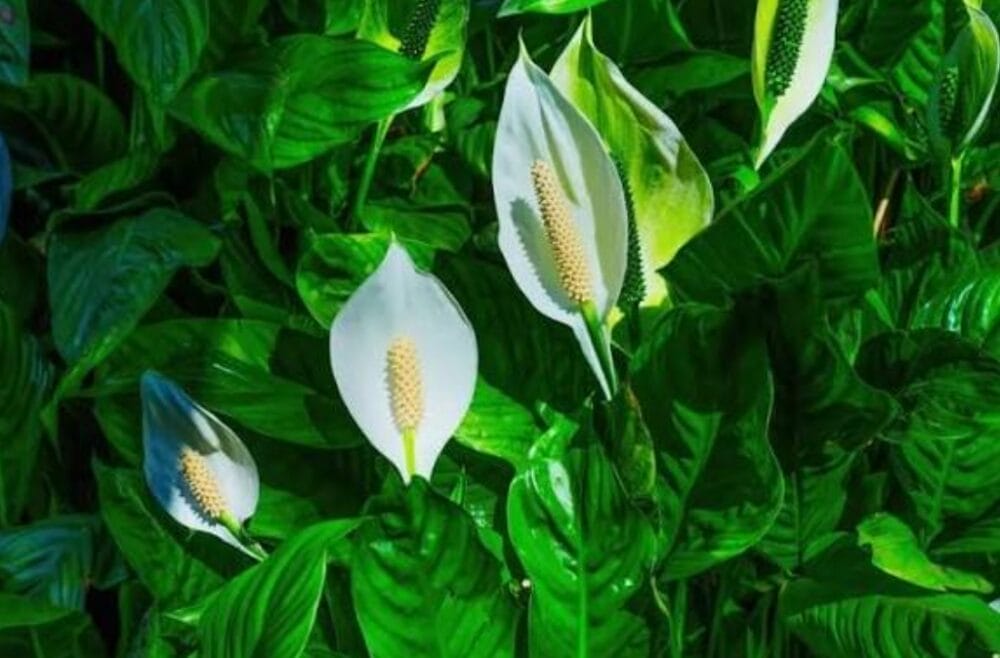
The Peace Lily (Spathiphyllum) is one of the most popular indoor plants, loved for its elegant white flowers, glossy green leaves, and excellent air-purifying qualities. Native to tropical rainforests of Central and South America, peace lilies thrive indoors with minimal care, making them perfect for homes, offices, and apartments.
With proper cultivation practices, this plant can stay healthy and bloom beautifully for years.
Table of Contents
Climate and Location
Peace lilies prefer a warm, humid, and tropical climate. The ideal temperature range is 18°C to 30°C. They are sensitive to cold and should be protected from temperatures below 12°C. This plant grows best indoors where temperature and humidity remain stable.
Choose a bright location with indirect sunlight. Direct sunlight can scorch the leaves, while very low light may reduce flowering. A north- or east-facing window is ideal. Peace lilies can also adapt to artificial indoor lighting, which makes them suitable for offices.


Soil Requirement
Well-drained, nutrient-rich soil is essential for peace lily cultivation. Use a light potting mix consisting of:
- Garden soil
- Coco peat or peat moss
- Compost or vermicompost
The soil should retain moisture but not become waterlogged, as excess water can cause root rot.
Pot Selection and Planting
Choose a pot with proper drainage holes to prevent water accumulation. Clay or ceramic pots are preferred as they allow better airflow to roots. When planting, ensure the root ball is placed slightly below the rim of the pot, and gently press the soil around it.
Peace lilies do not like frequent repotting, but repotting once every 1–2 years helps refresh nutrients and encourages healthy growth.
Also Raed :Top 7 Organic Fertilisers for Coconut Trees
Watering Schedule
Peace lilies love moisture but dislike overwatering. Water the plant when the top inch of soil feels dry. Typically, watering 2–3 times a week is sufficient, depending on climate and season.
Signs of underwatering include drooping leaves, while yellowing leaves indicate overwatering. Use room-temperature water and avoid letting water sit in the saucer.
Humidity and Temperature
Since peace lilies are tropical plants, they thrive in high humidity. To maintain humidity:
- Mist the leaves regularly
- Place a tray of water and pebbles near the plant
- Keep the plant in kitchens or bathrooms with natural light
Avoid placing the plant near air conditioners, heaters, or cold drafts.
Fertilizer Application
Feed peace lilies with a balanced liquid fertilizer (10-10-10 or 20-20-20) once every 4–6 weeks during the growing season (spring and summer). Reduce fertilization during winter.
Organic options like vermicompost tea or diluted cow dung liquid manure also work well. Over-fertilization should be avoided as it may cause leaf burn.
Pruning and Maintenance
Regular maintenance helps keep the plant attractive and healthy:
- Remove yellow or damaged leaves using clean scissors
- Cut spent flowers from the base to encourage new blooms
- Wipe leaves with a damp cloth to remove dust and improve photosynthesis
Flowering in Peace Lily
Peace lilies typically bloom once or twice a year, producing white spathes that last for several weeks. Adequate indirect light, proper nutrition, and consistent watering are key factors for flowering. Even without flowers, the lush green foliage makes the plant highly decorative.
Also Read: How to Grow a Water Lily Plant at Home: A Complete Guide
Common Pests and Diseases
Peace lilies are relatively pest-resistant but may occasionally be affected by:
- Spider mites
- Mealybugs
- Aphids
Treat infestations with neem oil spray or mild soap solution. Root rot is the most common disease, caused by overwatering and poor drainage.
Benefits of Growing Peace Lily
- Improves indoor air quality by removing toxins
- Enhances home décor with elegant appearance
- Low-maintenance and beginner-friendly
- Promotes calm and positive indoor environment
Frequently Asked Questions (FAQ)
Q1. Can peace lily grow indoors without sunlight?
Yes, peace lilies can grow in low light, but bright indirect light helps better growth and flowering.
Q2. How often should I water my peace lily?
Water when the top layer of soil is dry, usually 2–3 times per week.
Q3. Why are peace lily leaves turning yellow?
Yellow leaves are commonly caused by overwatering, poor drainage, or excessive sunlight.
Q4. How can I make my peace lily bloom?
Provide bright indirect light, regular feeding, and proper watering to encourage flowering.
Q5. Is peace lily safe for pets?
No, peace lilies are mildly toxic to cats and dogs if ingested, so keep them out of reach.
Q6. Can peace lily grow in water only?
It can survive temporarily in water, but long-term growth is best in soil.
Q7. How long does a peace lily plant live?
With proper care, a peace lily can live for 5–10 years or more.
Q8. Does peace lily require frequent repotting?
No, repot once every 1–2 years or when roots outgrow the pot.
Also Read: Water Lily | Nymphae spp.


