Organic NPK Fertilizers
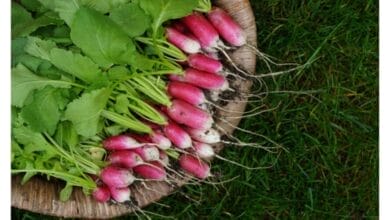
Organic farming is gaining popularity worldwide as farmers and gardeners look for safer, eco-friendly alternatives to chemical fertilizers. One of the most effective natural inputs used in organic agriculture is organic NPK fertilizer. NPK stands for Nitrogen (N), Phosphorus (P), and Potassium (K)—the three essential nutrients required for healthy plant growth.
Organic NPK fertilizers provide these nutrients from natural sources such as compost, manure, bone meal, neem cake, and plant residues.
In this blog, we explore the key benefits of organic NPK fertilizers, how they improve soil health, and why they are a better long-term choice for sustainable agriculture.
Table of Contents
What Are Organic NPK Fertilizers?
Organic NPK fertilizers are derived from natural materials rather than synthetic chemicals. They release nutrients slowly and work in harmony with soil microorganisms. Unlike chemical fertilizers, organic NPK sources improve both plant nutrition and soil structure, making them ideal for long-term crop productivity.



Here is a clear table showing the chemical composition of common NPK fertilizers. The values represent the percentage of Nitrogen (N), Phosphorus (P₂O₅), and Potassium (K₂O) present in each fertilizer grade.
NPK Fertilizers – Chemical Composition Table
| NPK Fertilizer Grade | Nitrogen (N) % | Phosphorus (P₂O₅) % | Potassium (K₂O) % | Common Agricultural Use |
|---|---|---|---|---|
| 10-10-10 | 10 | 10 | 10 | Balanced nutrition for general crops |
| 12-12-12 | 12 | 12 | 12 | Vegetable gardens, mixed crops |
| 15-15-15 | 15 | 15 | 15 | Field crops, fruits, cereals |
| 16-16-16 | 16 | 16 | 16 | All-purpose fertilizer |
| 17-17-17 | 17 | 17 | 17 | Cash crops, plantation crops |
| 19-19-19 | 19 | 19 | 19 | Widely used for fertigation |
| 20-10-10 | 20 | 10 | 10 | Leafy vegetables, nitrogen-demanding crops |
| 20-20-0 | 20 | 20 | 0 | Early root and shoot development |
| 0-52-34 (MAP-based) | 0 | 52 | 34 | Phosphorus and potassium correction |
| 12-32-16 | 12 | 32 | 16 | Starter fertilizer for crops |
| 13-40-13 | 13 | 40 | 13 | Root and flowering stages |
| 14-35-14 | 14 | 35 | 14 | Horticultural and cash crops |
Major Benefits of Organic NPK Fertilizers
1. Improves Soil Health Naturally
One of the biggest advantages of organic NPK fertilizers is their ability to enhance soil health. They increase organic matter in the soil, improve soil structure, and promote better water retention. Healthy soil leads to stronger root development and higher crop yields over time.
2. Provides Balanced and Sustained Nutrition
Organic NPK fertilizers supply essential nutrients in a slow and steady manner. Nitrogen supports leafy growth, phosphorus enhances root and flower development, and potassium strengthens plant immunity. Because nutrients are released gradually, plants absorb them more efficiently without nutrient loss.

3. Enhances Soil Microbial Activity
Organic fertilizers encourage beneficial microorganisms such as bacteria, fungi, and earthworms. These microbes break down organic matter, convert nutrients into plant-available forms, and improve overall soil fertility. Increased microbial activity leads to better nutrient cycling and healthier crops.
Also Read: Basics of Composting at Home: A Complete Beginner’s Guide
4. Eco-Friendly and Environmentally Safe
Unlike chemical fertilizers, organic NPK fertilizers do not pollute groundwater or harm beneficial insects. They reduce soil erosion, prevent nutrient runoff, and help maintain ecological balance. Using organic fertilizers supports sustainable farming and protects the environment.
5. Improves Crop Quality and Taste
Crops grown with organic NPK fertilizers often have better taste, aroma, and nutritional value. Fruits and vegetables develop naturally, resulting in improved texture, longer shelf life, and higher market value. This is especially beneficial for organic produce markets.
6. Reduces Risk of Soil Degradation
Continuous use of chemical fertilizers can make soil hard, acidic, and less fertile over time. Organic NPK fertilizers maintain soil pH balance and prevent nutrient imbalance. This ensures long-term soil productivity without degradation.
7. Safe for Humans and Animals
Organic fertilizers are free from harmful chemicals and synthetic residues. This makes them safe for farmers, consumers, livestock, and soil organisms. They reduce health risks associated with chemical exposure and contribute to safer food production.
8. Supports Sustainable and Organic Farming Practices
Organic NPK fertilizers align perfectly with sustainable agriculture principles. They promote renewable resource use, reduce dependency on synthetic inputs, and improve farm resilience. Farmers adopting organic fertilizers can achieve long-term profitability while conserving natural resources.
9. Improves Water Retention and Drought Resistance
Organic matter present in organic NPK fertilizers increases the soil’s ability to hold moisture. This helps plants withstand dry conditions and reduces irrigation requirements. Improved water efficiency is especially important in regions facing water scarcity.
10. Cost-Effective in the Long Run
Although organic fertilizers may seem costly initially, they reduce the need for repeated applications. Improved soil fertility and nutrient availability lower input costs over time, making them economical for farmers and gardeners.
Also Read:Marigold Farming: A Complete Guide to Profitable Flower Cultivation
Common Sources of Organic NPK Fertilizers
- Compost and vermicompost
- Farmyard manure
- Bone meal and fish meal
- Neem cake and oil cakes
- Green manure and crop residues
Each source contributes different levels of N, P, and K, making it possible to customize nutrient management naturally.
Conclusion
Organic NPK fertilizers play a vital role in sustainable agriculture by providing balanced nutrition while improving soil health. They enhance crop quality, protect the environment, and ensure long-term soil fertility. By switching to organic NPK fertilizers, farmers and gardeners can achieve healthier crops, better yields, and a more sustainable future.
Frequently Asked Questions (FAQ)
1. What is the main advantage of organic NPK fertilizers?
The main advantage is that they improve soil health while providing essential nutrients naturally and sustainably.
2. Are organic NPK fertilizers suitable for all crops?
Yes, they can be used for vegetables, fruits, grains, flowers, and even lawn plants with proper nutrient planning.
3. How long do organic NPK fertilizers take to show results?
They release nutrients slowly, so results may take longer than chemical fertilizers, but benefits last longer.
4. Can organic NPK fertilizers replace chemical fertilizers completely?
Yes, with proper soil management and crop planning, organic NPK fertilizers can fully replace chemical fertilizers.
5. Are organic NPK fertilizers safe for home gardening?
Absolutely. They are safe, non-toxic, and ideal for kitchen gardens and home plants.Also Read
Also Read: Top 10 Benefits of Guava Leaf: Uses, Nutritional Advantage