Nutrient Deficiency Chart for Aquarium Plants
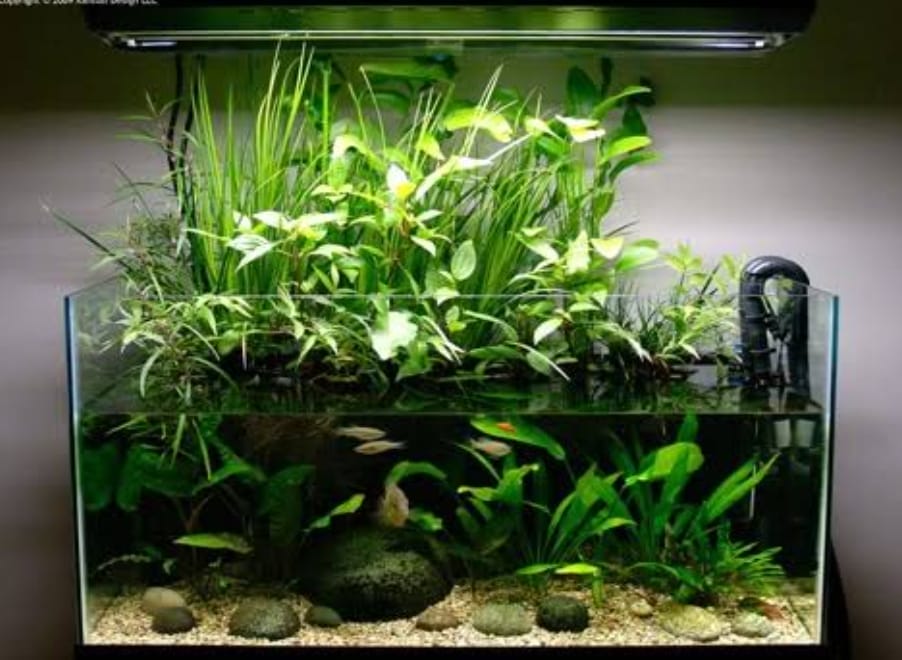
Healthy aquarium plants are the foundation of a beautiful and balanced planted tank. They not only enhance visual appeal but also improve water quality by absorbing excess nutrients and providing oxygen to the water.
However, aquarium plants often suffer when essential nutrients are missing. Understanding nutrient deficiencies and their symptoms helps aquarists take timely corrective action and maintain lush, vibrant growth.
This guide explains the major and micronutrient deficiencies in aquarium plants, their visible symptoms, and effective solutions, followed by an easy-to-read deficiency chart and FAQs.
Table of Contents
Why Nutrients Matter for Aquarium Plants
Aquarium plants rely on nutrients absorbed through both roots and leaves. These nutrients come from fish waste, decaying organic matter, substrate, and added fertilisers. When one or more nutrients are lacking, plants show specific deficiency symptoms such as yellowing leaves, holes, slow growth, or distorted shapes.



Plant nutrients are divided into:
- Macronutrients: Needed in large amounts (Nitrogen, Phosphorus, Potassium)
- Micronutrients: Needed in small amounts (Iron, Magnesium, Calcium, Manganese, Zinc, etc.)
Nutrient Deficiency Chart for Aquarium Plants
| Nutrient | Deficiency Symptoms | Affected Leaves | Common Cause | Solution |
|---|---|---|---|---|
| Nitrogen (N) | Yellowing leaves, stunted growth | Older leaves | Low fish load, no fertilization | Add nitrogen fertilizer or increase bioload |
| Phosphorus (P) | Dark green leaves, slow growth, leaf drop | Older leaves | Low phosphate levels | Dose phosphate fertilizer |
| Potassium (K) | Pinholes, yellow leaf edges | Older leaves | Poor fertilization | Add potassium supplement |
| Iron (Fe) | Yellow leaves with green veins | New leaves | High pH, low iron | Dose chelated iron |
| Magnesium (Mg) | Interveinal chlorosis | Older leaves | Soft water | Add magnesium or Epsom salt |
| Calcium (Ca) | Twisted, deformed new leaves | New leaves | Very soft water | Increase GH, add calcium |
| Manganese (Mn) | Yellowing with brown spots | New leaves | Trace element deficiency | Add trace fertilizer |
| Zinc (Zn) | Small leaves, stunted growth | New leaves | Poor micronutrient dosing | Use complete micro fertilizer |
| Boron (B) | Brittle, distorted growth | New leaves | Rare in aquariums | Dose trace elements |
| Copper (Cu) | Pale leaves, weak stems | New leaves | Excess filtration or dilution | Balanced micronutrient dosing |
Common Nutrient Deficiencies Explained
1. Nitrogen Deficiency
Nitrogen is essential for leaf growth and chlorophyll production. When deficient, older leaves turn yellow and plants grow slowly. This is common in lightly stocked tanks or heavily planted aquariums with minimal fertilization.
Also Read:Top 10 Benefits of Organic NPK Fertilizers for healthy plants
Fix: Use a nitrogen-based liquid fertilizer or increase fish population carefully.
2. Potassium Deficiency
Potassium deficiency is one of the most common issues in aquarium plants. It causes pinholes, yellow edges, and leaf melting, especially in plants like Java fern and Amazon sword.
Fix: Do potassium regularly, especially in tanks using RO or soft water.
3. Iron Deficiency
Iron is vital for chlorophyll formation in new leaves. When lacking, young leaves turn pale yellow while veins remain green.
Fix: Use chelated iron fertilizers and maintain slightly acidic to neutral pH for better absorption.
4. Magnesium Deficiency
Magnesium supports photosynthesis. A deficiency results in yellowing between veins on older leaves and is common in soft water aquariums.
Fix: Add magnesium supplements or small amounts of Epsom salt (magnesium sulfate).
5. Calcium Deficiency
Calcium helps cell wall formation. Without it, new leaves become twisted, curled, or deformed.
Fix: Increase general hardness (GH) using calcium-rich mineral additives.
Preventing Nutrient Deficiencies in Aquarium Plants
- Use a complete liquid fertilizer containing both macro and micronutrients
- Maintain a balanced fish load
- Provide proper lighting duration (6–8 hours)
- Use nutrient-rich substrate for root-feeding plants
- Perform regular water changes to prevent nutrient imbalance
- Test water parameters periodically
Also Read:Basics of Composting at Home: A Complete Beginner’s Guide
Frequently Asked Questions (FAQs)
1. How do I know which nutrient my aquarium plant lacks?
Observe leaf color, shape, and location of symptoms. Older leaf issues usually indicate macronutrient deficiencies, while new leaf problems suggest micronutrient shortages.
2. Can fish waste alone provide enough nutrients for plants?
Fish waste supplies nitrogen and phosphorus but is often insufficient for potassium, iron, and trace elements.
3. Do aquarium plants need both root tabs and liquid fertilizers?
Yes, root-feeding plants benefit from root tabs, while stem and floating plants absorb nutrients mainly from the water column.
4. Is yellowing always caused by nutrient deficiency?
Not always. Poor lighting, incorrect CO₂ levels, or sudden water changes can also cause yellowing.
5. How often should I fertilize aquarium plants?
Most planted tanks benefit from weekly or daily dosing, depending on plant density, lighting, and growth rate.
Conclusion
Understanding the nutrient deficiency chart for aquarium plants is essential for maintaining a thriving planted aquarium. By identifying symptoms early and correcting nutrient imbalances, you can enjoy lush, healthy plant growth and a visually stunning aquarium. Balanced fertilisation, proper lighting, and regular maintenance are the keys to long-term succe
Also Read: Top 9 Broccoli Health Benefits