Mango Tree Bloom: When It Happens, Why It Matters, and How to Get the Best Flowers


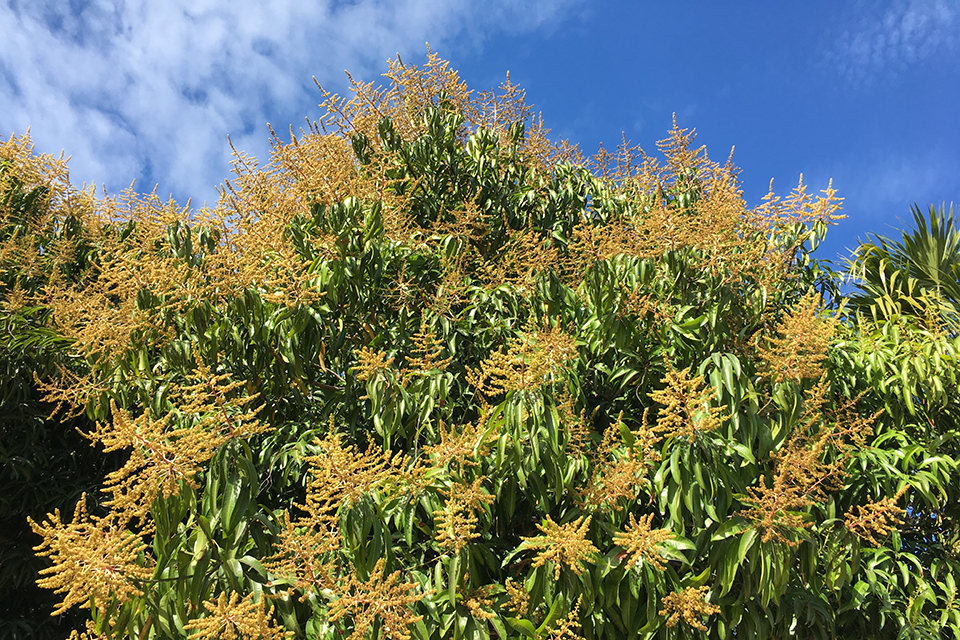
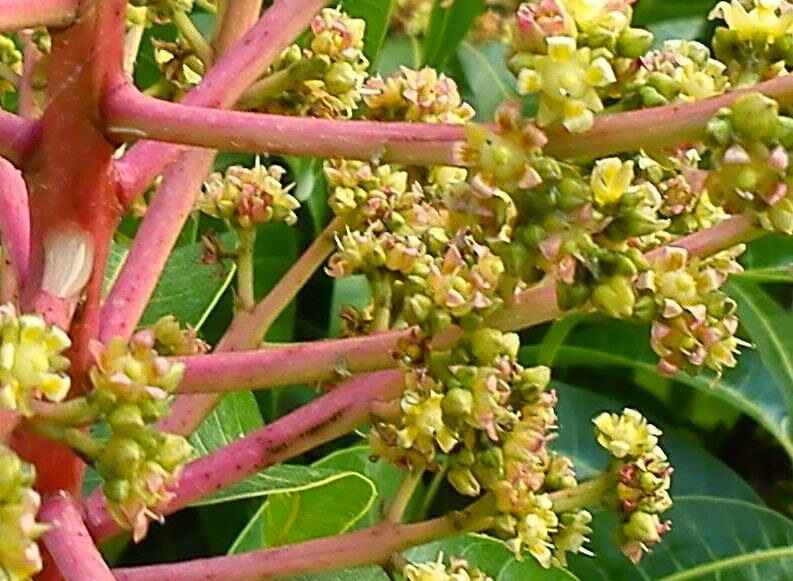
Every mango lover waits for one magical sign in the orchard—the mango tree blooms. Those tiny flowers (called panicles) decide not just the season’s harvest, but also next year’s potential.
A healthy bloom means more fruits, better size, and higher income for growers. Let’s break down everything you need to know about mango flowering—in a simple, Google Discover–friendly way.
When Does Mango Tree Bloom Occur?
Mango blooming is seasonal, not year-round.
- In India and tropical regions, flowering usually starts between December and February.
- In subtropical regions, it may extend to March.h
- Fruit harvesting then happens from April to July, depending on variety and climate
👉 Mango trees bloom once a year, not continuously. This is why proper care before flowering is critical.

Do Mango Trees Bloom All Year or Once a Year?
✔ Once a year only
Unlike some fruit trees, mango follows a strict annual flowering cycle. Vegetative growth dominates during the monsoon and post-monsoon period, while flowering is triggered by:
- Cool temperatures
- Dry stress
- Hormonal balance
When Do New Mango Plants Bloom for the First Time?
The first bloom depends on how the plant was raised:
- Grafted mango plants: Bloom in 3–4 years
- Seed-grown mango plants: Bloom in 6–8 years or more
⚠️ Early flowering in very young plants is often removed to allow better canopy and root development.
Nutrients Required for Proper Mango Blooming
Flower initiation is directly linked to nutrient balance, not just fertilisers in general.
Key nutrients include:
- Nitrogen (N) – Controlled dose (excess causes leaf growth, poor flowering)
- Phosphorus (P) – Flower initiation
- Potassium (K) – Flower quality and fruit set
- Boron (B) – Pollen viability
- Zinc (Zn) – Flower development
- Calcium (Ca) – Flower retention
- Magnesium (Mg) – Photosynthesis support

Recommended Nutrients & Doses for Mango Bloom (Table)
| Nutrient / Product | Recommended Dose (per adult tree) | Time of Application | Purpose |
|---|---|---|---|
| Well-decomposed FYM | 25–30 kg | Sep–Oct | Soil health & microbes |
| Nitrogen (Urea) | 200–250 g | Split before flowering | Controlled vegetative growth |
| SSP (Phosphorus) | 400–500 g | Oct–Nov | Flower initiation |
| MOP (Potassium) | 300–400 g | Oct–Nov | Flower strength |
| Zinc Sulphate | 0.5% foliar spray | Pre-bloom | Better panicle growth |
| Boric Acid | 0.2% spray | At bud stage | Improves fruit set |
| Calcium Nitrate | 1% spray | Flowering stage | Flower retention |
| Paclobutrazol* | At the bud stage | Sep–Oct | Controls vegetative growth |
*Paclobutrazol should be used only under expert guidance
What Is Mango Alternate Bearing?
Alternate bearing means:
- One year = heavy flowering & fruiting (ON year)
- Next year = poor or no flowering (OFF year)
This is very common in mango varieties like Alphonso and Dashehari.
Why It Happens
- Excess fruit load in the ON year
- Nutrient depletion
- Hormonal imbalance
- Poor pruning
How to Break Mango Alternate Bearing
You can manage alternate bearing with innovative practices:
✔ Proper pruning after harvest
✔ Balanced nutrition every year
✔ Flower induction sprays in the OFF year
✔ Fruit thinning in the ON year
✔ Use of growth regulators (expert-led)
Consistency is the key—don’t pamper the tree only in fruiting years.
Also Read: Why Mango is Called Bathroom Fruit?
Best Mango Varieties for Heavy & Regular Bloom
Some mango varieties are known for better flowering consistency:
- Amrapali – Regular bearer, compact tree
- Mallika – Good flowering, high-quality fruit
- Kesar – Strong bloom under proper nutrition
- Banganapalli – Stable flowering in South India
- Neelum – Excellent for regular bearing
Relationship Between Bloom and Fruiting
More flowers ≠ more fruits
Out of 1,000 flowers:
- Only 1–2% become mature fruits
Factors affecting fruit set:
- Pollination
- Temperature
- Nutrient availability
- Moisture stress
- Pest & disease pressure
Healthy blooms improve fruit retention, not just flower count.
Precautions for Best Mango Blooming
🚫 Avoid excess nitrogen before flowering
🚫 Do not irrigate heavily during bud initiation
✔ Ensure proper sunlight penetration
✔ Maintain orchard hygiene
✔ Control pests like hoppers and thrips early
✔ Avoid stress during the flowering stage
Also Read: Top Mango Producing Country in the World: A Deep Dive into the Mango Powerhouse.
Frequently Asked Questions (FAQs)
Q1. Why is my mango tree not flowering?
Common reasons include excess nitrogen, potassium deficiency, young tree age, or alternate bearing.
Q2. Can mango trees flower twice a year?
No. Mango trees naturally flower only once a year.
Q3. Is flowering affected by climate change?
Yes. Unseasonal rains, warm winters, and humidity reduce the quality of flowering.
Q4. Which nutrient is most important for mango bloom?
Potassium, phosphorus, boron, and zinc play the most significant roles.
Q5. Should flowers be removed from young mango plants?
Yes. Removing early flowers helps build stronger trees and better future yields.
Final Takeaway
A successful mango harvest begins months before flowering. Balanced nutrition, stress management, and timely care decide how well your mango tree blooms—and how much fruit you finally harvest.
Also Read: Mango Blossoms WOW!