How to Start a Pollinator Garden in 5 Easy Steps
Pollinators like bees, butterflies, birds, and beneficial insects play a vital role in our food system and ecosystem. Nearly one-third of the food we eat depends on pollination, yet pollinator populations are declining due to habitat loss, pesticide use, and lack of diverse flowering plants.
The good news? You can make a real difference—right in your own backyard or kitchen garden. Creating a pollinator garden is simple, rewarding, and beneficial for both nature and your harvest. Follow these five easy steps to start a thriving pollinator garden that buzzes with life all season long.
Table of Contents
Step 1: Choose the Right Location
The success of your pollinator garden begins with location. Most pollinator-friendly plants need plenty of sunlight, so select a spot that receives at least 6–8 hours of direct sun daily.
What to look for:
- Sunny, sheltered area protected from strong winds
- Well-draining soil to prevent root rot
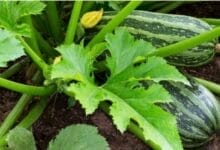
- Close to your kitchen garden to improve pollination of vegetables and fruits
Even small spaces work well. Balconies, window boxes, raised beds, and container gardens can all support pollinators if planted thoughtfully.


Pro tip: Pollinators prefer clusters of flowers, so it’s better to plant several of the same species together rather than scattering single plants.
Also Read: 5 Quick Tips for Gardening Indoors
Step 2: Select Native and Pollinator-Friendly Plants
Choosing the right plants is the heart of a pollinator garden. Native plants are especially important because local pollinators have evolved alongside them and rely on them for food and shelter.
Best pollinator-friendly plants include:
- Flowering herbs: Basil, thyme, mint, oregano, lavender
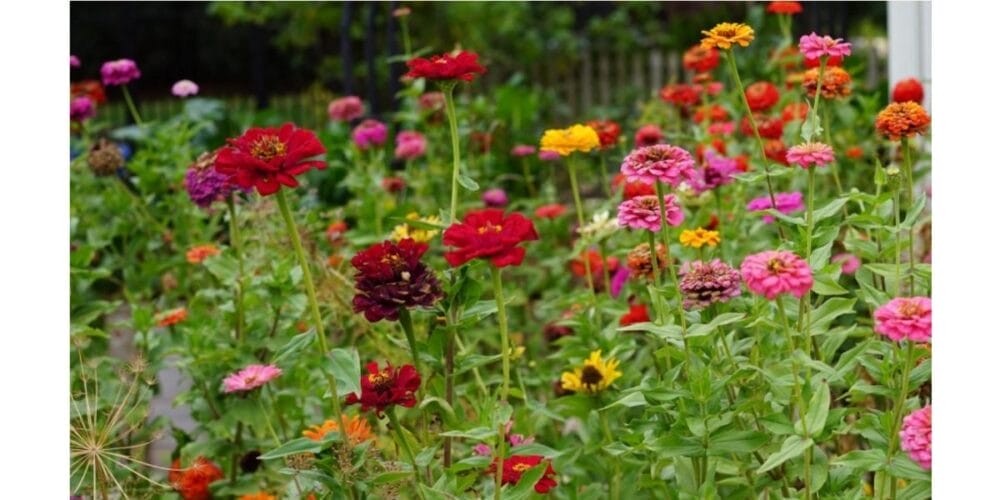
- Annual flowers: Zinnia, cosmos, sunflower, calendula
- Perennials: Coneflower, salvia, coreopsis, milkweed
- Shrubs and climbers: Butterfly pea, hibiscus, jasmine
Aim for variety in color, shape, and bloom time. This ensures nectar and pollen are available from early spring to late fall.
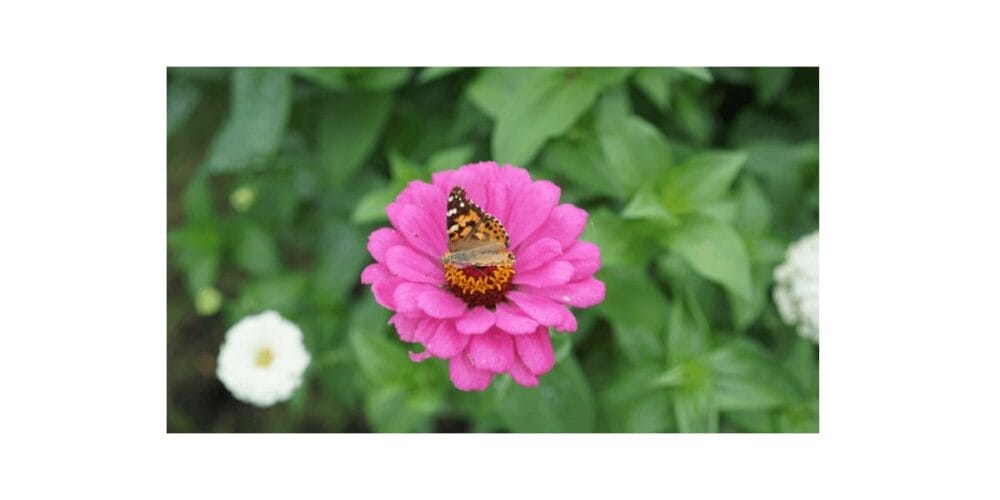
Butterflies love: Milkweed, dill, fennel
Bees prefer: Blue, purple, and yellow flowers
Birds enjoy: Tubular flowers rich in nectar
Step 3: Plan for Continuous Bloom Throughout the Season
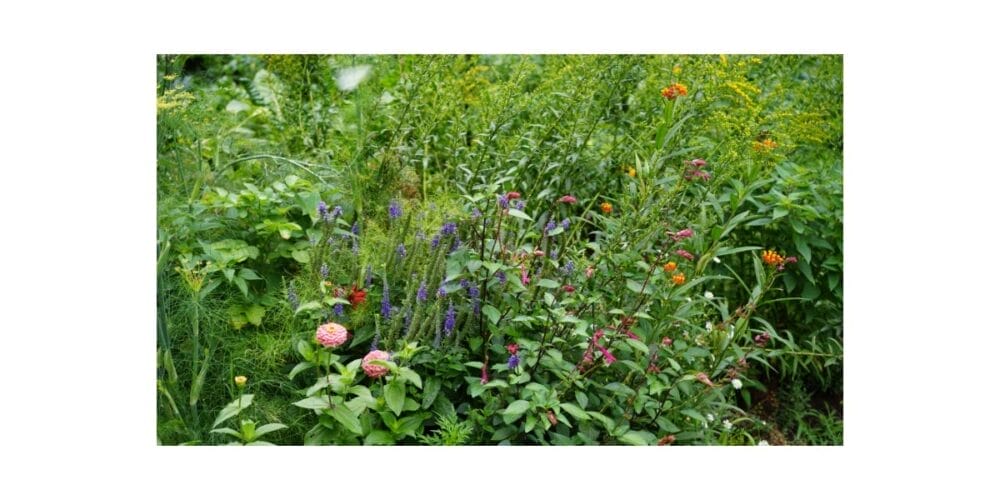
A successful pollinator garden provides food all year—not just during peak flowering months. Plan your garden so something is always in bloom.
Seasonal planting guide:
- Spring: Marigold, coriander, phacelia
- Summer: Zinnia, cosmos, sunflower, basil
- Fall: Goldenrod, asters, late-blooming salvia
Avoid overly bred “double flowers,” as they often lack accessible nectar and pollen.
Design tip: Mix tall plants at the back, medium-height plants in the middle, and low growers along the edges for easy access and visual appeal.
Also Read: Marigold Farming: A Complete Guide to Profitable Flower Cultivation
Step 4: Avoid Chemicals and Create a Safe Habitat
Pollinators are extremely sensitive to chemicals. To truly support them, your garden must be a safe, organic space.
What to avoid:
- Chemical pesticides and herbicides
- Synthetic fertilizers
- Broad-spectrum insect sprays
Instead, choose organic compost, vermicompost, and neem-based solutions for pest control. Encourage beneficial insects like ladybugs and lacewings to keep pests in check naturally.
Add simple habitat features:
- A shallow water dish with stones for landing
- Small patches of bare soil for ground-nesting bees
- Fallen leaves or hollow stems for overwintering insects
These small additions make your garden more inviting and sustainable.
Step 5: Maintain and Observe Your Pollinator Garden
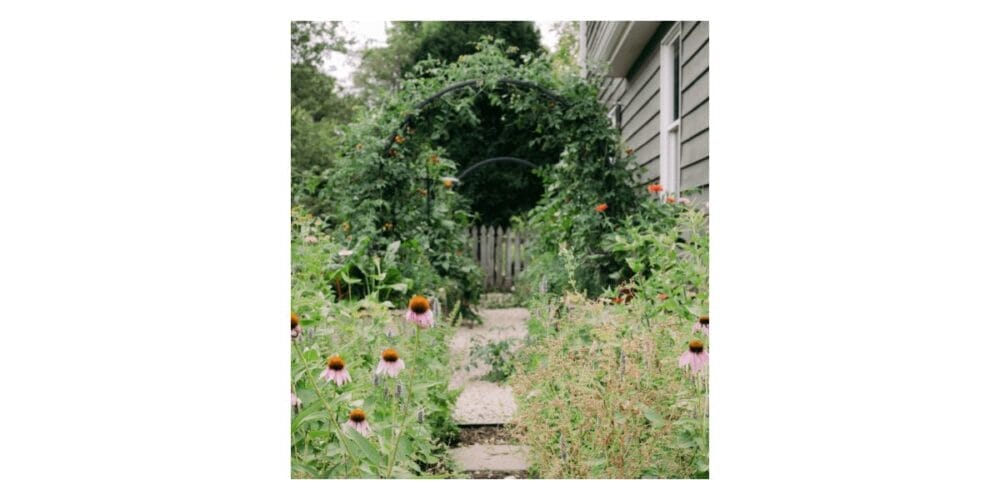
Pollinator gardens are low-maintenance but still benefit from regular care.
Basic maintenance tips:
- Water plants deeply but less frequently
- Deadhead flowers to encourage more blooms
- Let some plants go to seed for birds
- Avoid excessive pruning during flowering seasons
Take time to observe your garden. You’ll notice which plants attract the most bees and butterflies and can adjust future plantings accordingly.
Bonus benefit: A healthy pollinator garden often leads to higher yields in nearby vegetable plants like tomatoes, cucumbers, squash, and peppers.
Also Read: Nurturing Roses in the Garden During Rainy Season: A Comprehensive Guide.
Final Thoughts: Every Garden Counts
Starting a pollinator garden doesn’t require expert skills or a large space—just thoughtful plant choices and a commitment to gardening naturally. By following these five easy steps, you’ll create a vibrant ecosystem that supports pollinators while enhancing the beauty and productivity of your garden.
Whether you grow flowers in pots or maintain a full kitchen garden, your efforts help protect these essential creatures for future generations. One garden at a time, we can restore balance—starting right at home.
Also Read: About How to Start a Pollinator Garden in 5 Easy Steps on gardenary.com Site