How to Make Liquid Fertilizer from Kitchen Waste
With rising fertilizer costs and increasing concern for the environment, many gardeners and farmers are turning toward homemade liquid fertilizer from kitchen waste. This method not only recycles household organic waste but also produces a nutrient-rich solution that improves soil fertility and plant health.
Liquid fertilizers are easy to prepare, fast-acting, and ideal for vegetables, fruits, flowers, and even indoor plants.
This guide explains what kitchen waste liquid fertilizer is, its benefits, and step-by-step methods to prepare it at home.
Table of Contents
What Is Liquid Fertilizer from Kitchen Waste?
Liquid fertilizer from kitchen waste is an organic nutrient solution created by fermenting or soaking biodegradable household scraps such as vegetable peels, fruit waste, tea leaves, and rice water. During fermentation, beneficial microorganisms break down organic matter and release nutrients like nitrogen, potassium, calcium, and trace minerals into the liquid.


This fertilizer is easily absorbed by plant roots and leaves, making it an excellent natural alternative to chemical fertilizers.
Benefits of Kitchen Waste Liquid Fertilizer
- Eco-friendly: Reduces household waste and landfill pollution
- Cost-effective: Made from free, readily available materials
- Rich in nutrients: Supplies essential macro and micronutrients
- Improves soil health: Boosts beneficial microbes and soil structure
- Fast nutrient uptake: Works quicker than solid compost
- Safe for plants: Non-toxic and chemical-free
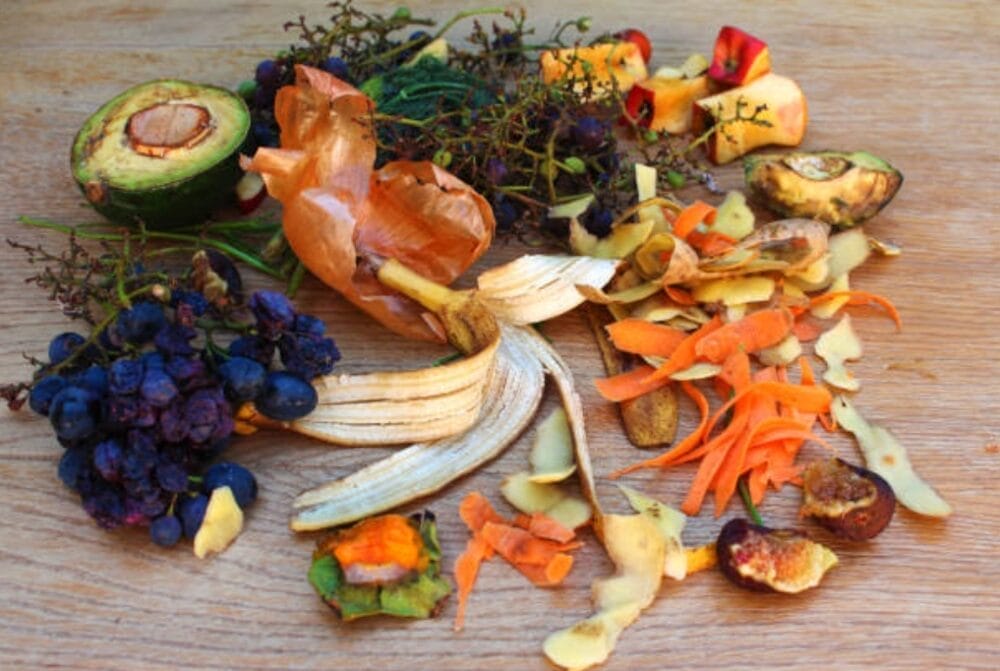
Suitable Kitchen Waste for Liquid Fertilizer
You can use:
- Vegetable peels (potato, carrot, bottle gourd)
- Fruit peels (banana, papaya, apple)
- Rice water
- Used tea leaves and coffee grounds
- Eggshells (crushed)
- Leftover cooked vegetables (no oil or spices)
Avoid:
- Meat, fish, dairy products
- Oily, salty, or spicy food
- Plastic or non-biodegradable waste
Also Read:Top 10 Benefits of Boron Fertilisers for Plants
Method 1: Fermented Kitchen Waste Liquid Fertilizer
Ingredients:
- 1 kg chopped kitchen waste
- 1 liter water
- 2 tablespoons jaggery or brown sugar
- Plastic container with lid
Steps:
- Chop kitchen waste into small pieces.
- Add waste to the container and pour water.
- Mix jaggery to promote microbial growth.
- Cover loosely and store in a shaded place.
- Stir once daily to release gases.
- Ferment for 7–10 days until mild sour smell develops.
- Strain the liquid and store it in a bottle.
Usage:
- Dilute 1:10 with water before applying to soil.
- Use once every 10–15 days.
Method 2: Banana Peel Liquid Fertilizer (Potassium-Rich)
Ingredients:
- 3–4 banana peels
- 1 liter water
Steps:
- Soak banana peels in water overnight or for 24 hours.
- Strain the liquid.
- Dilute and apply to flowering or fruiting plants.
Best for: Tomatoes, chilies, roses, and fruit plants.
Also Read:Top 8 Micronutrient Fertilizers: Importance, Types, Benefits, and Application
Method 3: Rice Water Fertilizer
Rice water is rich in starch, B vitamins, and beneficial microbes.
Steps:
- Collect water after washing or boiling rice (unsalted).
- Allow it to cool.
- Dilute 1:1 with water.
- Use directly for soil drenching.
Best for: Leafy vegetables and potted plants.
How to Apply Liquid Fertilizer Correctly
- Always dilute before use to prevent root burn
- Apply in the early morning or evening
- Use on moist soil, not dry soil
- Can be used as soil drench or foliar spray
- Avoid overuse—once every 1–2 weeks is sufficient
Storage Tips
- Store in airtight containers
- Keep away from direct sunlight
- Use within 15–20 days for best results
- If strong foul smell develops, discard
Conclusion
Making liquid fertilizer from kitchen waste is a simple, sustainable, and effective way to nourish plants naturally. It transforms everyday waste into valuable plant food while reducing environmental impact. Whether you are a home gardener, terrace farmer, or organic grower, this method helps you grow healthier plants without spending money on chemical fertilizers. With consistent use, you’ll notice improved soil quality, stronger growth, and better yields.
Frequently Asked Questions (FAQ)
1. How often should I use kitchen waste liquid fertilizer?
Once every 10–15 days is ideal for most plants.
2. Can I use it for indoor plants?
Yes, but dilute well and use in small quantities.
3. Does liquid fertilizer smell bad?
Mild sour smell is normal. Strong rotten odor indicates spoilage.
4. Can I spray it on leaves?
Yes, after diluting (1:15) and filtering properly.
5. Is jaggery necessary?
It’s optional but helps speed up fermentation and microbial growth.
6. Can this replace chemical fertilizers completely?
For home gardens and small farms, yes—when used regularly.
7. Which plants benefit most?
Vegetables, flowers, herbs, and fruit plants benefit greatly.
Also Read:Milk Tea Without Sugar Benefits