How to Harvest Celery so It Keeps Growing
Celery is one of those rewarding garden crops that can keep producing for weeks—or even months—if harvested the right way. Many gardeners make the mistake of pulling up the entire plant at once, missing out on the opportunity for continuous harvests. Whether you’re growing celery in a backyard bed, raised garden, or container, learning how to harvest celery so it keeps growing will help you enjoy fresh, crunchy stalks again and again.
In this guide, we’ll walk you through the best time to harvest celery, step-by-step harvesting methods, after-harvest care, and common mistakes to avoid so your celery plants remain productive throughout the season.
Table of Contents
Understanding How Celery Grows
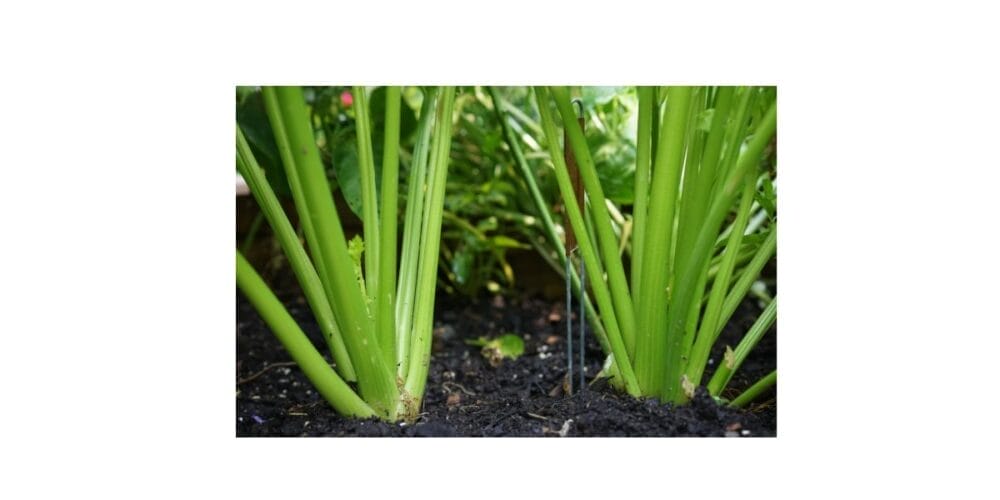
Before harvesting, it helps to understand celery’s growth habit. Celery is a cool-season crop that grows in a tight rosette from a central base. New stalks continuously emerge from the center of the plant, while older stalks grow on the outside.
This growth pattern is what makes “cut-and-come-again” harvesting possible. As long as the central growing point remains intact, celery will keep producing fresh stalks.


Also Read: The Complete Guide to Growing Beets from Seed to Harvest
When Is Celery Ready to Harvest?
Celery typically takes 85–120 days to mature from seed, depending on the variety and growing conditions. However, you don’t need to wait for full maturity to begin harvesting.
Signs Your Celery Is Ready
- Stalks are 8–12 inches tall
- Stems feel firm and crisp
- Color is a healthy light to medium green
- Stalks snap easily when bent
You can begin harvesting individual outer stalks once the plant is about 6–8 inches tall, allowing the inner stalks to continue developing.
Best Time of Day to Harvest Celery
For the freshest, crispiest celery, harvest early in the morning when the plant is fully hydrated. Cooler temperatures help preserve moisture in the stalks, improving both flavor and texture.
Avoid harvesting during the heat of the day, as celery can wilt quickly and lose its crunch.
How to Harvest Celery So It Keeps Growing

The key to continuous celery harvest is selective cutting, not uprooting the plant. Follow these steps carefully:
Step 1: Identify the Outer Stalks
Look for the largest, outermost stalks that are fully developed. These are the oldest stalks and ready to be harvested first.
Step 2: Use Clean, Sharp Tools
Use a sharp knife, garden shears, or scissors. Clean tools help prevent disease and make clean cuts that heal faster.
Step 3: Cut at the Base
Cut the stalk at the base, close to the soil line, without damaging nearby stalks. Do not cut into the central growing point.
Step 4: Leave the Center Intact
Always leave the inner stalks and central heart of the plant untouched. This is where new growth originates.
Step 5: Harvest Gradually
Never remove more than one-third of the plant at a time. This ensures the celery has enough energy to continue producing new stalks.
By following this method, you can harvest celery every 1–2 weeks throughout the growing season.
Also Read: The Best Types of Basil to Grow in an Herb Garden
How Often Can You Harvest Celery?
Celery can be harvested multiple times over several weeks. After the first cut, allow the plant 7–14 days to regenerate before harvesting again.
In cooler weather, regrowth may be slower, while warm but mild conditions encourage faster production. Consistent watering and feeding will help speed up regrowth.
Caring for Celery After Harvest

Proper care after harvesting is just as important as the harvesting method itself.
Water Regularly
Celery has shallow roots and needs consistent moisture. Keep the soil evenly moist, especially after harvesting, to support new growth.
Feed the Plant
Apply a balanced liquid fertilizer or compost tea every 2–3 weeks. Celery is a heavy feeder and benefits from regular nutrients.
Mulch the Soil
Mulching helps retain moisture, regulate soil temperature, and suppress weeds. Organic mulches like straw or compost work well.
Watch for Pests and Diseases
Check for common issues such as aphids, leaf miners, and fungal diseases. Early detection ensures your plant stays healthy and productive.
Harvesting the Entire Celery Plant (When to Do It)
While selective harvesting is ideal for ongoing growth, there may be times when you want to harvest the whole plant.
When to Harvest Completely
- End of the growing season
- Before extreme heat or frost
- When stalks become thin or bitter
- If the plant starts bolting (flowering)
To harvest the entire plant, cut it at soil level using a sharp knife. Wash thoroughly and store properly.
Can Celery Regrow After Full Harvest?
Yes—celery can regrow even after a full harvest if the base remains intact. If you leave the root base in the soil and conditions remain favorable, you may see new stalks emerge, though they may be thinner than the original growth.
You can also regrow celery indoors by placing the base of a store-bought celery bunch in shallow water and then transplanting it into soil once roots develop.
Also Read: Basics of Composting at Home: A Complete Beginner’s Guide
Common Mistakes to Avoid When Harvesting Celery
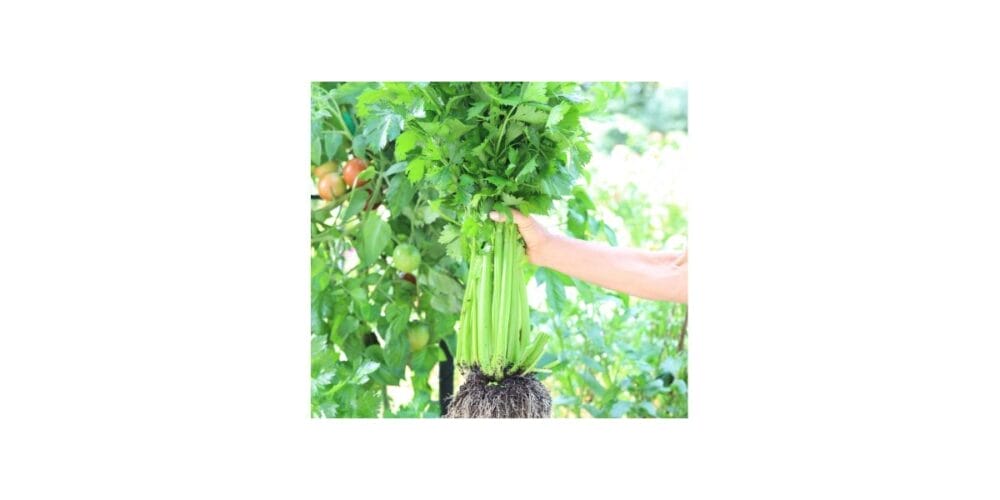
- Pulling the plant out by the roots
- Cutting the central stalks
- Harvesting too much at once
- Using dull or dirty tools
- Allowing soil to dry out after harvesting
Avoiding these mistakes will greatly extend your celery’s productive life.
Storing Freshly Harvested Celery
After harvesting, rinse the stalks and store them in the refrigerator. Wrap celery loosely in a damp paper towel and place it in a perforated plastic bag to maintain freshness. Properly stored celery can last 2–4 weeks.
Final Thoughts
Learning how to harvest celery so it keeps growing is a simple but powerful gardening skill. By cutting only the outer stalks, protecting the plant’s center, and providing consistent care, you can enjoy a steady supply of fresh, crisp celery throughout the season.
With patience and the right harvesting technique, celery transforms from a one-time crop into a long-term producer—making it a valuable addition to any home garden. Happy harvesting!
Also Read: About How to Harvest Celery so It Keeps Growing on the gardenary.com Site