How to Grow White Pepper: A Complete Cultivation Guide for High-Quality Spice Production

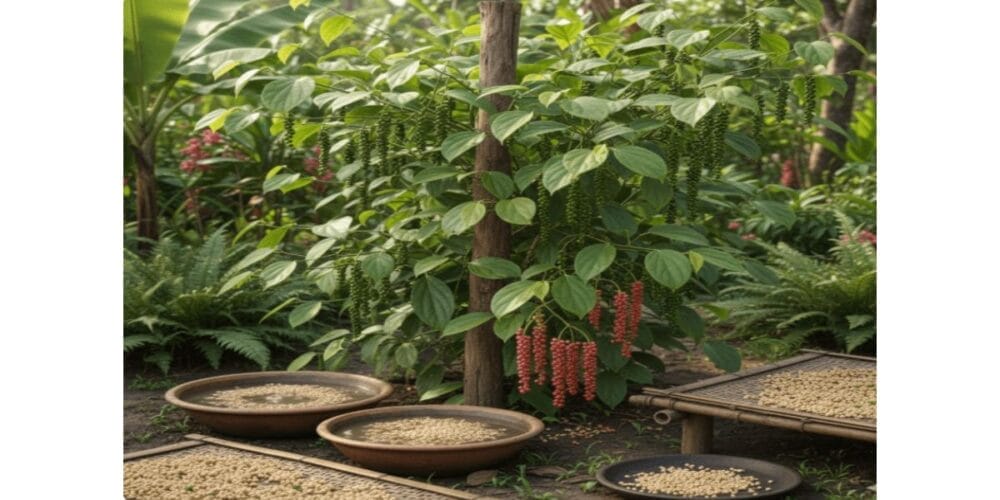
How to Grow White Pepper
White pepper is one of the most premium and widely used spices in kitchens across the world. Derived from the same plant as black pepper—Piper nigrum—white pepper offers a milder flavor, subtle heat, and unique aroma that makes it perfect for soups, sauces, and light-colored dishes. Unlike black pepper, white pepper is made by removing the outer skin of fully ripe pepper berries, resulting in a smoother taste and refined finish.
If you’re planning to grow white pepper organically or commercially, this complete guide will walk you through every step—from planting to harvesting and processing.
Table of Contents
What is White Pepper?
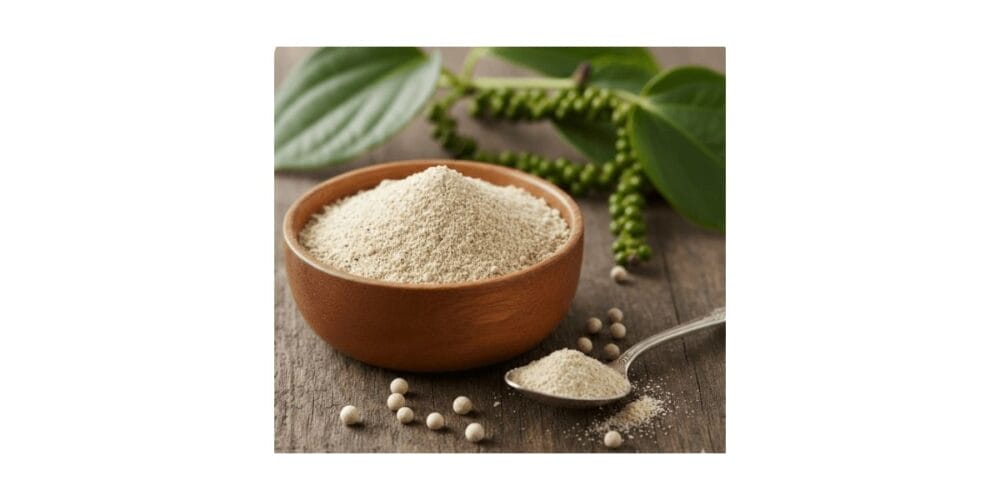
White pepper is produced from the ripe red berries of the pepper vine. After harvesting, the berries are soaked in water for several days to soften the outer pericarp. This outer layer is then removed through rubbing, leaving behind the white seed, which is dried to produce white peppercorns.
Because of its processing method, white pepper is less pungent than black pepper but has a more fermented and earthy flavor.


Ideal Climate for White Pepper Cultivation
White pepper grows best in tropical climates with:
- Temperature range: 20°C to 35°C
- Annual rainfall: 2000 mm to 3000 mm
- Humidity: 60% to 90%
- Partial shade: Pepper vines prefer filtered sunlight
Regions with warm and humid weather—like parts of Odisha, Kerala, and Karnataka—are highly suitable for cultivating white pepper.
Soil Requirements
Pepper plants thrive in:
- Well-drained loamy soil
- Rich in organic matter
- Soil pH between 5.5 and 6.5
Avoid waterlogged areas, as excess moisture can lead to root rot and fungal diseases. Raised beds or slopes are ideal for proper drainage.
Also Read: How to Grow Pine Nuts: Complete Guide from Planting to Harvest
Propagation Method
White pepper is usually propagated through stem cuttings from healthy mother vines.
Steps for Planting:
- Select disease-free runner shoots from high-yielding vines.
- Cut 2–3 node sections from the vine.
- Plant them in nursery bags filled with compost-rich soil.
- Provide shade and regular watering for root development.
Transplant the rooted cuttings to the main field after 3–4 months.
Land Preparation and Planting
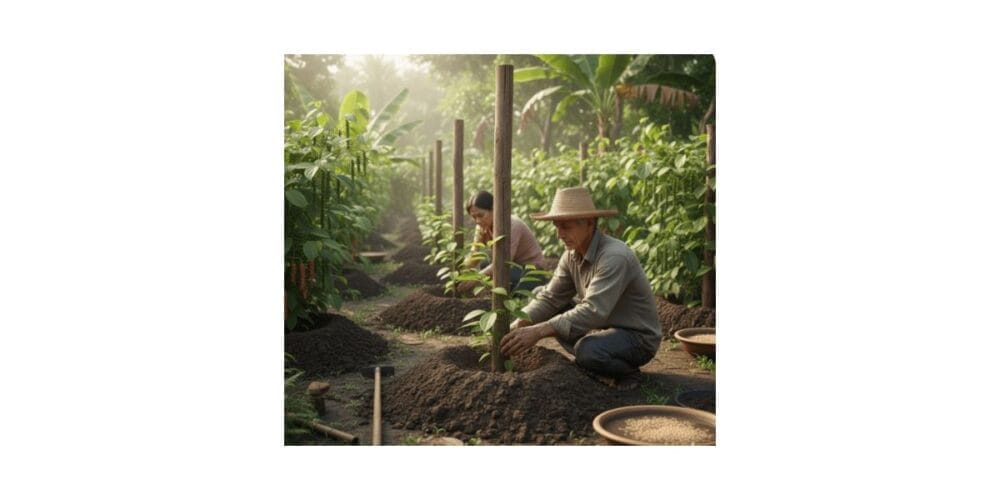
- Dig pits of size 50 cm × 50 cm × 50 cm.
- Maintain spacing of 2.5 m × 2.5 m between plants.
- Fill pits with a mixture of topsoil, compost, and neem cake.
Since pepper is a climbing vine, provide support using:
- Live standards like silver oak or arecanut trees
- Artificial supports like concrete poles or wooden stakes
Nutrient Management
Apply organic fertilizers such as:
- Farmyard manure (FYM): 10–15 kg per plant annually
- Vermicompost: 2–3 kg per plant
- Neem cake: 1 kg per plant
Split the fertilizer dose into two applications—once before monsoon and once after.
Foliar sprays of micronutrients like zinc and magnesium can enhance berry development and improve overall yield.
Irrigation Practices
White pepper requires consistent soil moisture:
- Water once every 7–10 days during dry periods
- Drip irrigation is recommended for efficient water use
- Mulching helps retain soil moisture and control weeds
Avoid overwatering, especially during the monsoon season.
Pest and Disease Management
Common pests include:
- Pollu beetles
- Scale insects
- Mealybugs
Diseases to watch out for:
- Foot rot
- Quick wilt
- Leaf rot
Use organic pest control methods such as:
- Neem oil spray (5 ml per liter of water)
- Trichoderma-enriched compost for soil-borne diseases
Ensure proper drainage and aeration to reduce fungal infections.
Also Read: How to Grow Cinnamon Sticks (Complete Cultivation Guide)
Harvesting White Pepper
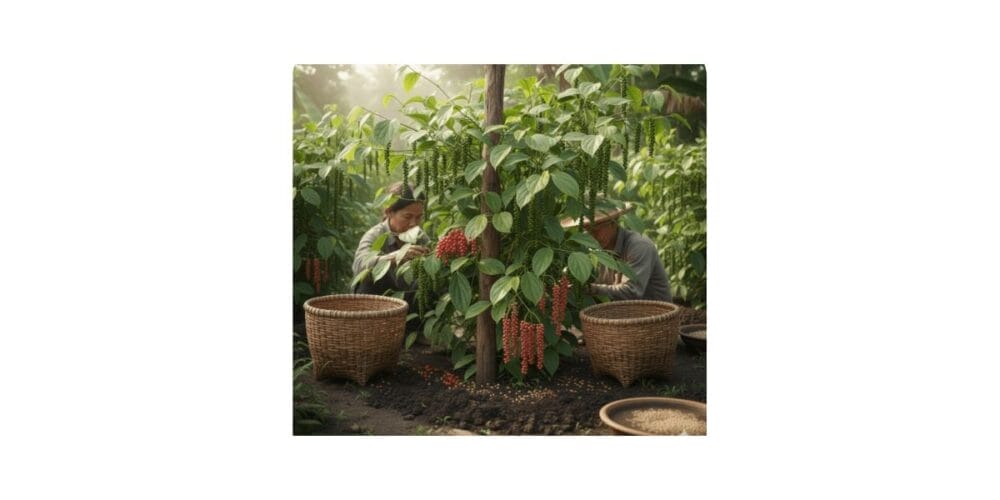
Pepper vines start yielding in 2–3 years after planting.
Harvesting Steps:
- Harvest fully ripe red berries from the vine.
- Soak berries in clean water for 7–10 days.
- Rub gently to remove the outer skin.
- Wash and sun-dry the seeds for 3–4 days until moisture content drops to 10%.
The dried seeds are your white peppercorns—ready for storage or sale.
Expected Yield
- Average yield per vine: 2–3 kg of dried peppercorns
- Yield per hectare: 1500–2000 kg (depending on management practices)
White pepper fetches a higher market price than black pepper due to its processing and premium quality.
Benefits of Growing White Pepper
- High market demand
- Export potential
- Suitable for intercropping with coconut or arecanut
- Long productive lifespan (up to 20 years)
FAQs
Q1: Can I grow white pepper in containers?
Yes, with proper support and nutrient-rich soil, pepper vines can be grown in large containers.
Q2: How long does it take to harvest white pepper?
You can start harvesting from the third year after planting.
Q3: Is white pepper more profitable than black pepper?
Yes, due to its additional processing and niche demand, white pepper often commands a better price.
Also Read: How to Grow Licorice: Complete Cultivation Guide for Healthy Root Yield
Final Thoughts
Growing white pepper from Piper nigrum can be a profitable venture if done with proper care and management. With suitable climate conditions, organic inputs, and effective pest control, farmers can enjoy sustainable yields and premium returns.
Whether you’re cultivating for home use or commercial production, white pepper farming offers both economic and agricultural benefits in the long run.
Also Read: About How to Grow White Pepper on https://www.thespruce.com/peppercorn-plant-profile-4584776 Site