How to Grow Primrose
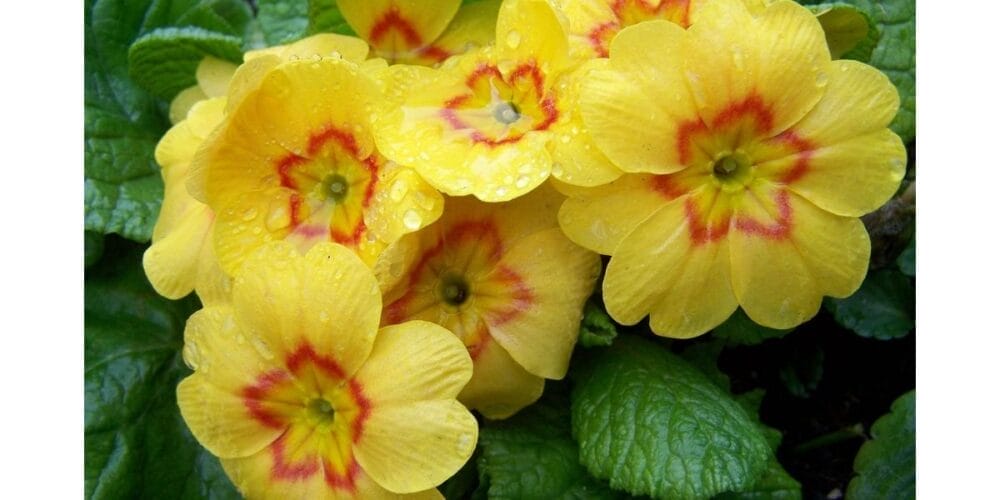
Primrose is one of the most charming and colorful flowers that brighten gardens in early spring. Known for their delicate petals and vibrant shades, primroses are a favorite among gardeners who want to add beauty and freshness to their landscape. The plant belongs to the genus Primula and is widely cultivated in gardens, containers, and indoor spaces.
In this guide, you will learn everything about how to grow primrose successfully, including planting methods, care tips, benefits, and recommended growing practices.
Table of Contents
What is Primrose?
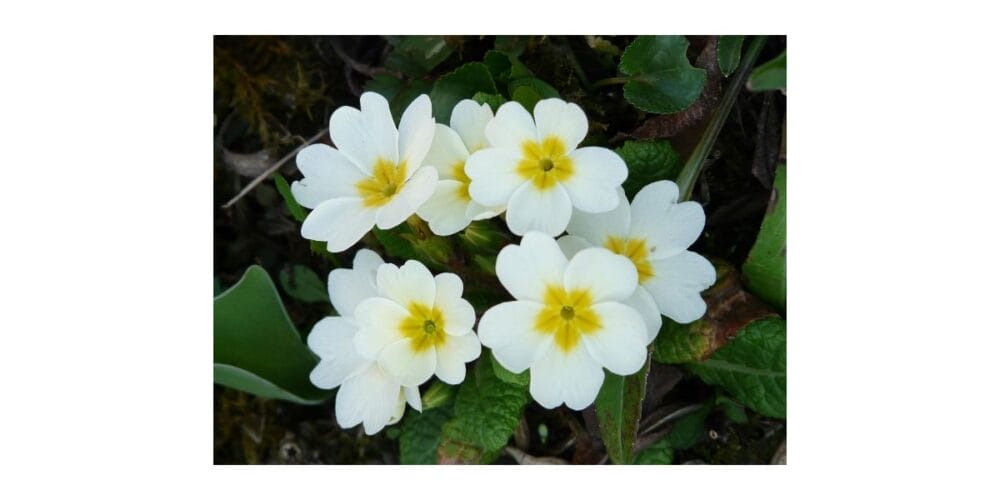
Primrose is a flowering plant famous for its soft, colorful blooms that appear in early spring. These flowers come in a wide variety of colors such as yellow, pink, purple, red, and white. They are commonly used in garden beds, borders, and decorative pots.
Primroses are native to Europe, Asia, and North America and thrive in cool climates with partial shade. The plants usually grow between 6–12 inches tall, making them ideal for small garden spaces and container gardening.



Ideal Growing Conditions for Primrose

To grow healthy primrose plants, it is important to provide the right environmental conditions.
1. Climate
Primrose prefers cool and mild climates. They grow best in temperatures between 10–20°C. Excessive heat may reduce flowering and damage the plant.
2. Sunlight
Primroses thrive in partial shade or filtered sunlight. Too much direct sunlight can scorch the leaves and flowers, especially during warmer seasons.
3. Soil Requirements
Primroses grow best in well-drained, fertile soil rich in organic matter.
Ideal soil conditions include:
- Slightly acidic to neutral pH (6.0–7.0)
- High organic matter content
- Good drainage to prevent root rot
Adding compost or leaf mold improves soil structure and fertility.
How to Plant Primrose
Primrose can be grown either from seeds or young plants (seedlings).
Growing Primrose from Seeds
- Fill seed trays with a well-drained potting mix.
- Sow primrose seeds lightly on the soil surface.
- Cover the seeds with a thin layer of soil.
- Keep the soil moist but not waterlogged.
- Maintain temperatures around 15°C for better germination.
Seeds usually germinate in 2–3 weeks.
Transplanting Seedlings
Once the seedlings develop 3–4 true leaves, transplant them into pots or garden beds with spacing of about 6–8 inches between plants.
Also Read: Lotus Flower Cultivation: A Complete Guide for Farmers and Gardeners
Watering Requirements
Primrose plants prefer consistently moist soil.
Watering tips:
- Water regularly but avoid waterlogging.
- Water early in the morning.
- Ensure proper drainage to prevent root diseases.
During hot weather, increase watering frequency slightly to keep the soil from drying out.
Fertilizer Requirements
Primroses respond well to balanced fertilizers.
Recommended fertilization practices:
- Apply organic compost or vermicompost before planting.
- Use a balanced liquid fertilizer once every 2–3 weeks during the growing season.
- Avoid excessive nitrogen because it may promote leaf growth instead of flowers.
Proper nutrient management helps produce larger and brighter blooms.
Pruning and Maintenance
Pruning helps keep primrose plants healthy and encourages more flowering.
Important maintenance tips:
- Remove dead flowers (deadheading) to promote new blooms.
- Trim yellow or damaged leaves.
- Keep the surrounding area weed-free to reduce competition for nutrients.
Regular maintenance ensures continuous flowering throughout the season.
Common Pests and Diseases
Primrose plants are generally easy to grow, but they can occasionally face pest or disease problems.
Common pests:
- Aphids
- Slugs
- Spider mites
Common diseases:
- Root rot
- Powdery mildew
- Leaf spot
To control these issues:
- Maintain good air circulation.
- Avoid overwatering.
- Use organic pest control methods like neem oil spray if necessary.
Benefits of Growing Primrose
Growing primrose offers several advantages for gardeners.
1. Early Spring Color
Primroses bloom early in the season, adding color to gardens when many plants are still dormant.
2. Easy to Grow
These flowers are relatively low-maintenance and suitable for beginner gardeners.
3. Great for Containers
Primroses grow well in pots, hanging baskets, and window boxes.
4. Attract Pollinators
Primrose flowers attract bees and butterflies, helping improve pollination in the garden.
Also Read: Parijat Flower Cultivation: A Complete Guide to Growing the Sacred Night-Blooming Tree at Home
Popular Primrose Varieties
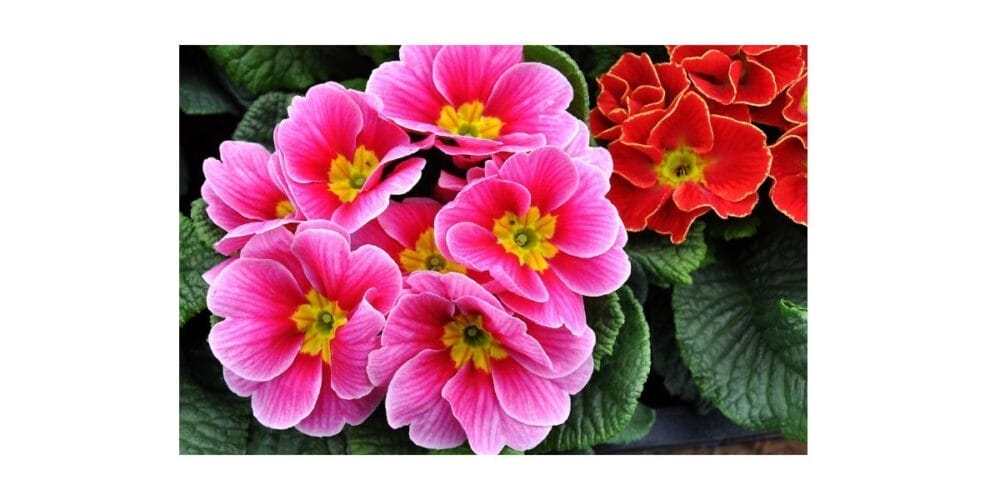
There are many beautiful varieties of primrose that gardeners love.
Some popular types include:
- Primula vulgaris – Common primrose with soft yellow flowers
- Primula denticulata – Known as drumstick primrose with round flower clusters
- Primula japonica – Japanese primrose with tall flower stems
These varieties add diversity and vibrant colors to garden landscapes.
Alternative Flowering Plants Similar to Primrose
If you enjoy growing primrose, you may also like these similar flowers:
- Pansy
- Petunia
- Viola
- Begonia
These plants also provide colorful blooms and are excellent for garden decoration.
Frequently Asked Questions (FAQs)
1. How long do primrose flowers last?
Primrose flowers typically bloom for several weeks during spring, depending on the growing conditions.
2. Can primrose grow indoors?
Yes, primrose can be grown indoors if they receive bright indirect light and cool temperatures.
3. When is the best time to plant primrose?
The best time to plant primrose is late winter to early spring.
4. Do primroses come back every year?
Many primrose varieties are perennials, meaning they return and bloom again each year.
Also Read: Diseases of Sunflower Plant: Identification, Symptoms, and Effective Management
Final Thoughts
Primrose is a beautiful and rewarding plant that brings vibrant color to gardens early in the season. With proper soil, moderate watering, and partial shade, these plants grow easily and produce stunning blooms.
Whether planted in garden beds, borders, or containers, primroses are a perfect choice for gardeners who want low-maintenance flowers with high ornamental value. By following the tips in this guide, you can successfully grow healthy and colorful primrose plants in your garden.