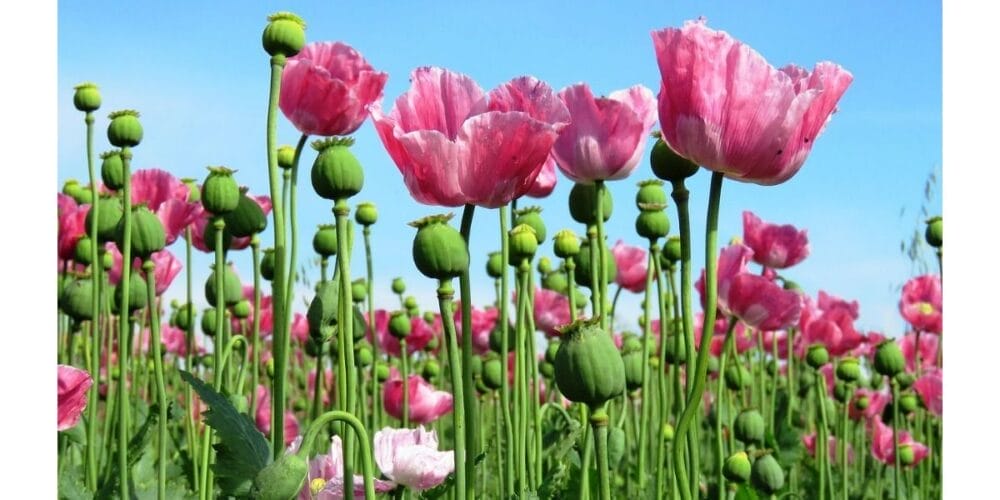
How to Grow Poppy Seeds
Poppies are among the most beautiful and easy-to-grow flowering plants, known for their delicate petals and vibrant colors. Whether you want to grow poppies for ornamental beauty, pollinator attraction, or seed production, poppy plants are a rewarding addition to any garden. With the right soil, climate, and care, you can grow healthy poppy plants successfully even as a beginner.
In this blog, you will learn step-by-step how to grow poppy seeds, from sowing to harvesting.
Table of Contents
Introduction to Poppy Seeds
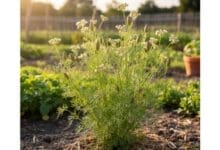
Poppy plants (Papaver species) are annual flowering plants that grow well in full sunlight and well-drained soil. They usually bloom from late spring to summer and are widely grown in cottage gardens and wildflower beds. Most poppy plants grow about 2–4 feet tall and spread about 1–1.5 feet wide.
They are generally low-maintenance plants and can even grow in moderately poor soil conditions with minimal fertilization.
Climate and Growing Conditions
Temperature
Poppy seeds germinate best in cool temperatures between about 10–21°C. Once established, plants tolerate a wide temperature range but prefer cooler weather for flowering.
Sunlight
Poppies need full sun, ideally 6–8 hours daily, for strong growth and good flowering.
Soil
- Well-drained sandy or loamy soil is ideal
- Soil pH should be around 6.0–7.5
- Avoid waterlogged soil to prevent root diseases
Best Time to Plant Poppy Seeds
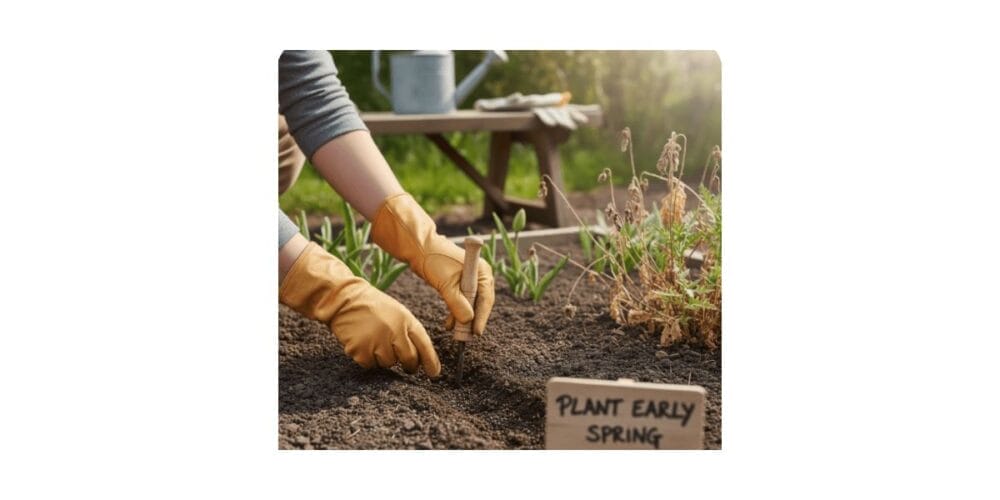
The planting time depends on your climate:
- Cool regions: Early spring planting works best
- Warm regions (like many parts of India): Late fall or winter sowing is ideal
- Poppy seeds prefer cool soil temperatures around 10–15°C for good germination.
Step-by-Step Guide to Growing Poppy Seeds
Step 1: Select the Right Location
Choose a sunny spot with good air circulation and well-drained soil. Poppies do not tolerate heavy shade or waterlogging.
Step 2: Prepare the Soil
- Loosen soil to improve drainage
- Mix compost or organic manure if soil is poor
- Remove weeds and stones
Poppies grow best in soil that drains well but retains some moisture.
Step 3: Sow the Seeds
Poppy seeds are very small, so handle carefully.
Scatter seeds on soil surface
Press lightly into soil
Do not bury deeply (they need light to germinate)
Germination usually takes 1–3 weeks depending on temperature and moisture.
Also, poppies do not transplant well because they have delicate taproots, so always sow directly in the final location.
Step 4: Watering
- Keep soil moist during germination
- Reduce watering after plant establishment
- Avoid overwatering
Poppies become drought-tolerant once mature.
Step 5: Thinning the Seedlings
When seedlings develop true leaves:
- Thin plants to 8–12 inches spacing
- Cut extra seedlings instead of pulling
Proper spacing ensures good airflow and strong plant growth.
Also Read: How to Grow Star Anise: Complete Cultivation Guide for Gardeners and Farmers
Fertilizer Management
Poppies generally require low fertilizer. Too much nitrogen causes more leaves and fewer flowers.
Best options:
- Compost
- Vermicompost
- Balanced NPK if soil is poor
Some poppy types even grow well without fertilizer.
Flowering and Harvesting
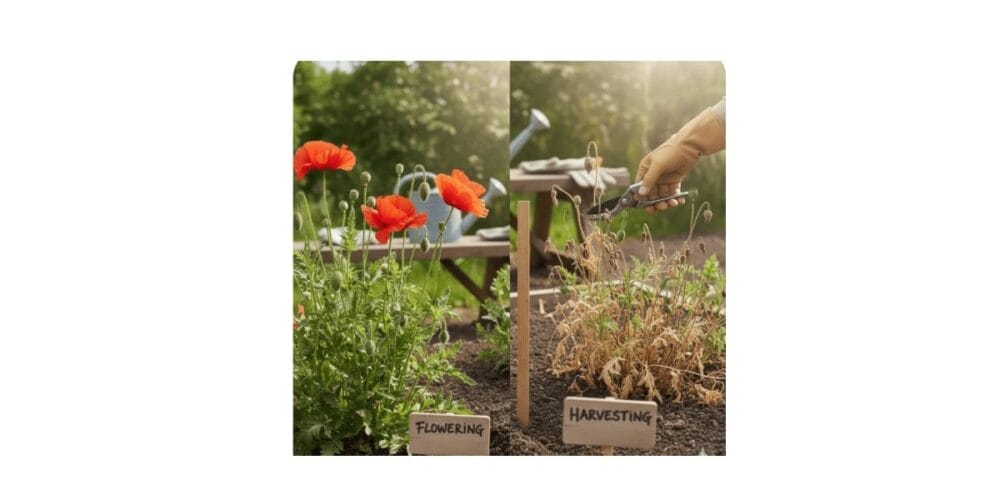
- Poppies usually bloom 60–90 days after sowing
- Remove faded flowers to encourage more blooms
If growing for seeds, allow seed pods to dry on the plant before harvesting.
Common Problems and Solutions
1. Damping Off (Seedling Rot)
Cause: Overwatering
Solution: Improve drainage and reduce watering
2. Weak or Leggy Seedlings
Cause: Low sunlight
Solution: Move to full sun
3. Root Rot
Cause: Waterlogged soil
Solution: Improve soil drainage
These issues are mostly preventable with proper watering and sunlight.
Also Read: How to Grow Saffron: The World’s Most Valuable Spice
Tips for Better Poppy Growth
Always direct sow seeds
Use well-drained soil
Avoid excessive fertilizer
Grow in full sunlight
Maintain moderate watering
Benefits of Growing Poppy Plants
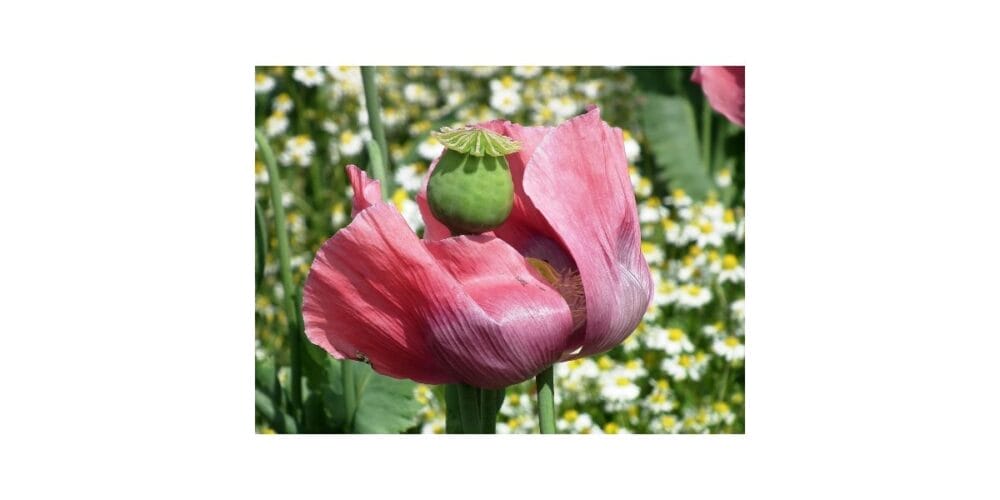
- Attracts bees and pollinators
- Easy to grow for beginners
- Low maintenance
- Adds natural beauty to gardens
- Suitable for beds, borders, and containers
Frequently Asked Questions
Q1. How long do poppy seeds take to germinate?
Usually 10–20 days depending on temperature and moisture.
Q2. Can poppies grow in pots?
Yes, if pots are deep and well-drained.
Q3. Do poppies need fertilizer?
Usually very little fertilizer is needed.
Q4. Do poppies come back every year?
Many types reseed naturally and can return yearly.
Also Read: How to Grow Cumin: A Complete Beginner’s Guide
Final Thoughts
Growing poppy seeds is simple if you follow basic rules: cool weather sowing, full sunlight, well-drained soil, and light watering. Because they are low-maintenance and highly rewarding, poppies are perfect for home gardeners, flower lovers, and even beginners.
With the right care, your poppy plants will reward you with stunning flowers and healthy seed pods season after season.