How to Grow Plumeria (Frangipani)
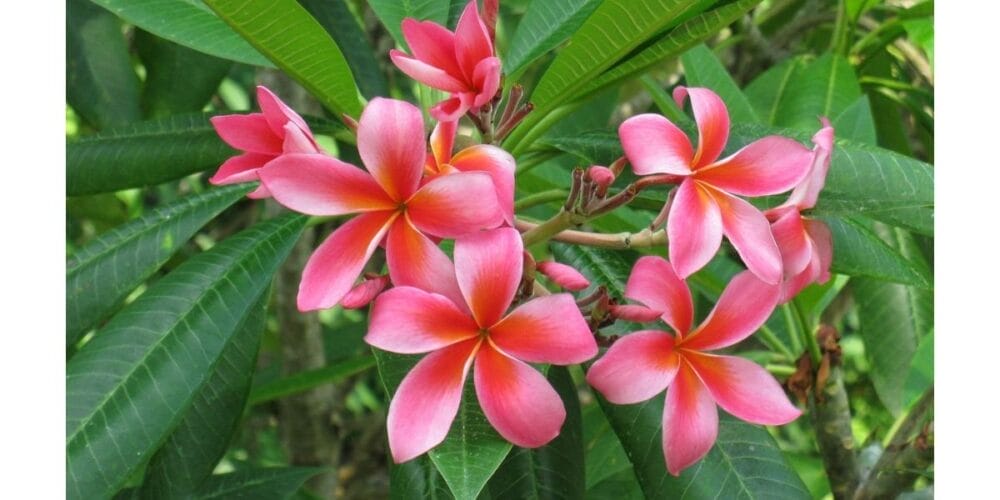
Plumeria, commonly known as Frangipani, is a stunning tropical flowering plant famous for its fragrant, colorful blossoms and ornamental beauty. These flowers are widely used in gardens, landscaping, temple decorations, and leis. Native to tropical regions of Central America and the Caribbean, Plumeria thrives in warm climates and is relatively easy to grow with proper care.
If you want to add a tropical vibe to your garden, learning how to grow Plumeria is an excellent choice. In this guide, we will cover everything from planting to maintenance so you can successfully grow healthy and beautiful Plumeria plants.
Table of Contents
Introduction to Plumeria
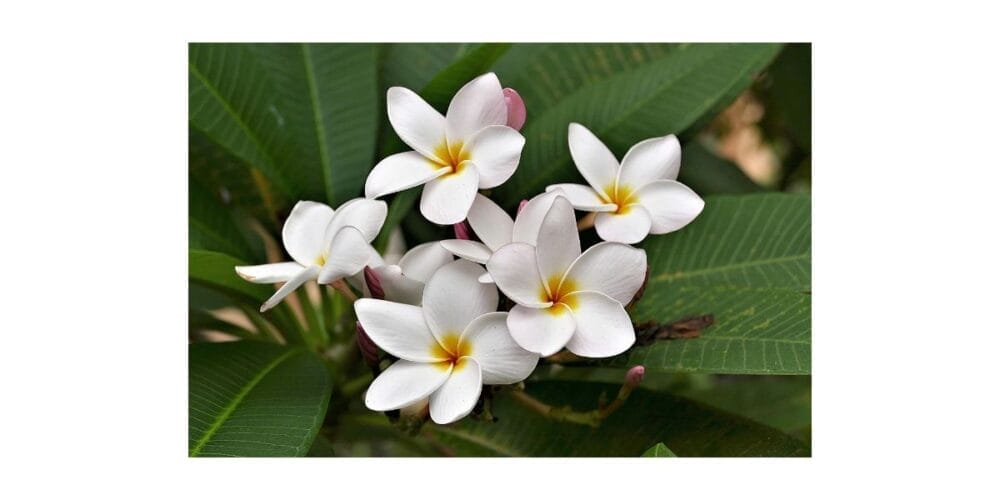
Plumeria is a deciduous flowering tree or shrub belonging to the family Apocynaceae. It is widely cultivated in tropical and subtropical regions due to its long-lasting blooms and sweet fragrance.
Key Characteristics
- Botanical Name: Plumeria
- Common Name: Frangipani
- Plant Type: Small tree or shrub
- Height: 10–25 feet (depending on variety)
- Flower Colors: White, pink, yellow, red, and multicolor
- Blooming Season: Spring to autumn
Plumeria is also popular because it requires minimal maintenance and tolerates drought conditions once established.


Ideal Growing Conditions for Plumeria
1. Climate Requirements
Plumeria thrives in warm tropical and subtropical climates. It grows best in temperatures between 20–35°C.
Key climate conditions:
- Prefers warm and sunny weather
- Sensitive to frost
- Requires at least 6–8 hours of sunlight daily
In colder regions, Plumeria can also be grown in containers and moved indoors during winter.
2. Soil Requirements
Plumeria prefers well-drained soil to prevent root rot.
Best soil mix:
- Sandy soil
- Loamy soil
- Soil mixed with compost or organic matter
A good soil mixture may include:
- Garden soil
- Sand
- Organic compost
The soil pH level should be slightly acidic to neutral (6.0–7.0).
Also Read: How to Grow Periwinkle (Sadabahar) – Complete Growing Guide for Beginners
Propagation Methods
Plumeria can be grown through cuttings or seeds, but cuttings are the most common and easiest method.
1. Growing Plumeria from Cuttings
This is the most reliable propagation method.
Steps:
- Cut a healthy branch (12–18 inches long) from a mature Plumeria plant.
- Allow the cutting to dry for 5–7 days to prevent rotting.
- Plant the cutting in well-drained soil or potting mix.
- Water lightly and place it in a warm sunny location.
Roots usually develop within 3–6 weeks.
2. Growing Plumeria from Seeds
Although possible, growing Plumeria from seeds takes longer.
Steps:
- Collect mature seeds from the plant.
- Sow them in seed trays or small pots.
- Use light, well-draining soil.
- Keep the soil moist but not waterlogged.
Seed-grown plants may take 3–5 years to bloom.
Planting Plumeria
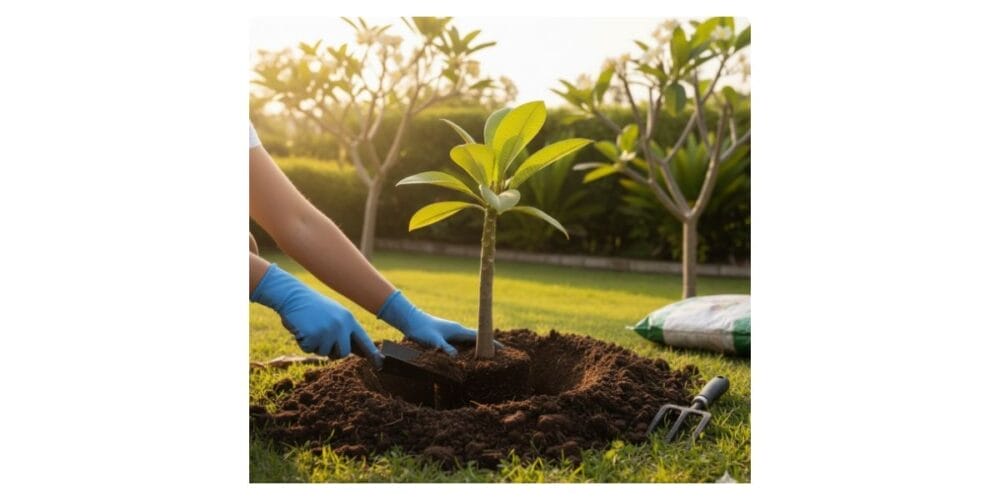
1. Planting in the Ground
Steps:
- Choose a sunny location in the garden.
- Dig a hole twice the size of the root ball.
- Mix compost into the soil.
- Place the plant carefully and fill the hole with soil.
- Water lightly after planting.
Ensure the plant has enough space for proper growth.
2. Growing Plumeria in Pots
Plumeria grows very well in containers.
Tips for container planting:
- Use a pot with good drainage holes
- Choose a large container to support root growth
- Use cactus or succulent potting mix
Potted plants are easier to move indoors during cold weather.
Watering Requirements
Plumeria prefers moderate watering.
Watering Guidelines
- Water once or twice per week during summer
- Reduce watering during winter dormancy
- Avoid overwatering as it may cause root rot
The soil should dry slightly between watering cycles.
Fertilizer Requirements
Regular fertilization encourages healthy growth and abundant flowering.
Recommended Fertilizers
- Balanced fertilizer (NPK 10-10-10)
- High phosphorus fertilizer for better blooms
- Organic compost
Fertilizer Schedule:
- Apply fertilizer every 2–3 weeks during the growing season
- Stop fertilizing during winter dormancy
Pruning and Maintenance
Pruning helps maintain plant shape and encourages new growth.
Pruning Tips
- Prune during late winter or early spring
- Remove dead or damaged branches
- Cut back leggy growth to encourage branching
Proper pruning improves flower production and plant structure.
Also Read: How to Grow Lantana: A Complete Guide to Growing Colorful and Hardy Lantana Plants
Common Pests and Diseases
Plumeria is generally hardy but may face some pest problems.
Common Pests
- Aphids
- Spider mites
- Mealybugs
- Whiteflies
Disease Issues
- Root rot (caused by overwatering)
- Rust fungus
Prevention Tips:
- Ensure good air circulation
- Avoid waterlogging
- Use organic insecticides like neem oil
Flowering and Harvesting

Plumeria blooms mainly from spring to early autumn.
Flowering Tips
- Provide full sunlight
- Use phosphorus-rich fertilizers
- Avoid excessive nitrogen
The flowers are often used for:
- Garden decoration
- Perfume production
- Religious offerings
Benefits of Growing Plumeria
Growing Plumeria offers several advantages:
- Produces beautiful fragrant flowers
- Adds tropical aesthetic value to gardens
- Requires low maintenance
- Attracts pollinators like butterflies
- Can be grown in pots or landscapes
Plumeria plants are ideal for home gardens, balconies, and ornamental landscaping.
Frequently Asked Questions (FAQs)
1. How long does Plumeria take to bloom?
Plumeria grown from cuttings usually blooms within 1–2 years, while seed-grown plants may take 3–5 years.
2. Why is my Plumeria not flowering?
Common reasons include:
- Insufficient sunlight
- Excess nitrogen fertilizer
- Immature plant
3. Can Plumeria grow in pots?
Yes, Plumeria grows very well in containers with well-drained soil and adequate sunlight.
4. Does Plumeria require a lot of water?
No. Plumeria prefers moderate watering and well-drained soil.
Also Read: Marigold Farming: A Complete Guide to Profitable Flower Cultivation
Final Thoughts
Growing Plumeria is a rewarding experience for gardeners who love tropical flowers and fragrant plants. With the right combination of sunlight, well-drained soil, moderate watering, and occasional fertilization, Plumeria can thrive and produce stunning blooms year after year.
Whether you grow it in your garden or in a container, this beautiful flowering plant will bring color, fragrance, and tropical charm to your outdoor space.
By following the steps in this guide, you can successfully grow healthy Plumeria plants and enjoy their exotic beauty throughout the blooming season.