Organic Fertilisers for Coconut Trees
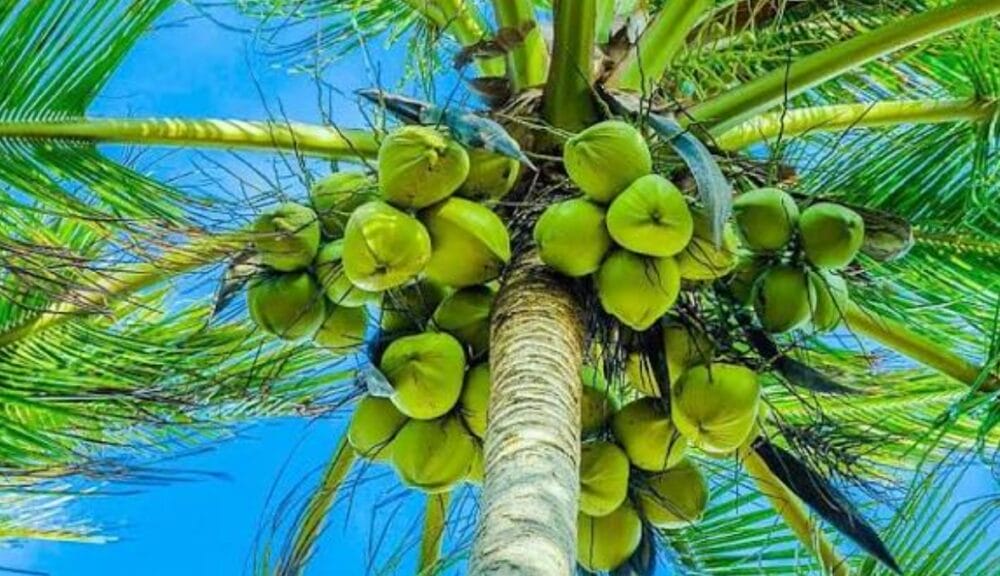
Coconut trees are often called the “Tree of Life” because every part of the plant is useful. To ensure healthy growth and consistent nut production, proper nutrition is essential. While chemical fertilisers provide quick nutrients, organic fertilisers for coconut trees offer long-term soil health, sustainable yields, and eco-friendly farming.
In this blog, we will explore the importance, types, application methods, and benefits of organic fertilisers in coconut cultivation.
Table of Contents
Importance of Organic Fertilisers for Coconut Trees
Coconut palms are perennial crops with a long lifespan, often producing for 50–60 years. Continuous harvesting removes nutrients from the soil, making regular fertilisation necessary. Organic fertilisers improve soil fertility naturally and enhance the soil’s physical, chemical, and biological properties.
Key reasons to use organic fertilisers:

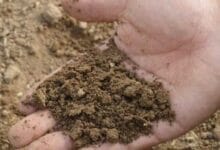
- Improve soil structure and water retention
- Increase beneficial microbial activity
- Provide slow and steady nutrient release
- Reduce soil salinity and chemical residue buildup
- Improve nut size, oil content, and yield quality
Organic nutrition is especially beneficial in sandy and coastal soils where coconuts are commonly grown.
Essential Nutrients Required by Coconut Trees
Coconut trees need both macronutrients and micronutrients for proper growth:
- Nitrogen (N): Promotes leaf growth and overall vigor
- Phosphorus (P): Supports root development and flowering
- Potassium (K): Essential for nut formation, size, and oil content
- Calcium & Magnesium: Improve trunk strength and leaf health
- Micronutrients: Boron, zinc, iron, and manganese prevent deficiency disorders
Organic fertilisers supply these nutrients in a balanced and natural form.
Best Organic Fertilisers for Coconut Trees
1. Farmyard Manure (FYM)
Well-decomposed cow dung or farmyard manure is one of the most commonly used organic fertilisers. It improves soil fertility and microbial activity.
Application:
20–25 kg per tree per year for mature palms.
2. Compost
Compost made from crop residues, kitchen waste, or plant leaves is rich in nutrients and organic matter.
Benefits:
- Enhances soil aeration
- Improves moisture-holding capacity
- Supplies slow-release nutrients
3. Vermicompost
Vermicompost is produced using earthworms and is rich in nitrogen, phosphorus, potassium, enzymes, and beneficial microbes.
Application:
5–10 kg per mature coconut tree annually.
Also Read:Vermicompost Business Plan: A Profitable Organic Farming Opportunity
4. Green Manure
Green manure crops like sunhemp or cowpea can be grown and incorporated into the soil.
Advantages:
- Fix atmospheric nitrogen
- Improve soil organic carbon
- Reduce weed growth
5. Neem Cake
Neem cake is a by-product of neem oil extraction and acts as both a fertiliser and pest repellent.
Benefits:
- Supplies nitrogen and micronutrients
- Controls soil-borne pests and nematodes
- Improves soil health
Application:
1–2 kg per tree per year.
6. Coconut Husk and Coir Pith
Coconut husk and coir pith compost are excellent organic amendments.
Uses:
- Retain moisture
- Improve root environment
- Suitable for dry and sandy soils
7. Biofertilisers
Biofertilisers like Azospirillum, Phosphobacteria, and Mycorrhiza improve nutrient uptake.
Advantages:
- Enhance nitrogen fixation
- Improve phosphorus availability
- Increase root growth
Method of Applying Organic Fertilisers
- Clean the basin area around the coconut tree (1.5–2 m radius).
- Dig shallow circular trenches (10–15 cm depth).
- Apply organic fertilisers evenly.
- Cover with soil and apply mulch (dry leaves or coconut husk).
- Water the tree adequately after application.
Best time for application:
- Beginning of monsoon
- Post-monsoon (split application gives better results)
Also Read:Top 10 Benefits of Organic NPK Fertilizers for healthy plants
Benefits of Using Organic Fertilisers in Coconut Farming
- Improves long-term productivity
- Reduces dependency on chemical inputs
- Enhances nut quality and oil percentage
- Promotes sustainable and eco-friendly farming
- Improves resistance against drought and pests
Organic fertilisation also helps farmers reduce input costs over time and maintain soil fertility for future generations.
Integrated Organic Nutrient Management
For best results, farmers should combine:
- FYM or compost
- Vermicompost
- Neem cake
- Biofertilisers
This integrated approach ensures balanced nutrition and healthy coconut palms.
Frequently Asked Questions (FAQ)
Q1. Which is the best organic fertiliser for coconut trees?
Farmyard manure and vermicompost are considered the best organic fertilisers for coconut trees due to their balanced nutrient content and soil-improving properties.
Q2. How often should organic fertilisers be applied to coconut trees?
Organic fertilisers should be applied once or twice a year, preferably before and after the monsoon.
Q3. Can neem cake be used regularly for coconut trees?
Yes, neem cake can be applied annually. It improves soil fertility and helps control pests and diseases.
Q4. Are organic fertilisers sufficient for high coconut yield?
Yes, when applied properly and combined with biofertilisers, organic fertilisers can produce healthy trees and good yields.
Q5. Is vermicompost suitable for young coconut plants?
Yes, vermicompost is ideal for young coconut plants as it promotes root development and early growth.
Q6. Can coconut husk be used as fertiliser?
Coconut husk acts more as a soil conditioner and mulch rather than a fertiliser, helping retain moisture and improve soil structure.
Also Read:Nutrient Management :: Coconut