How to Grow Licorice
Licorice is a valuable medicinal and commercial herb known for its naturally sweet roots and wide use in herbal medicine, confectionery, and pharmaceutical industries. Growing licorice can be rewarding for farmers and gardeners who want to cultivate a high-value medicinal crop.
This guide explains everything you need to know about growing licorice successfully, from climate and soil requirements to harvesting and post-harvest care.
Table of Contents
What is Licorice?
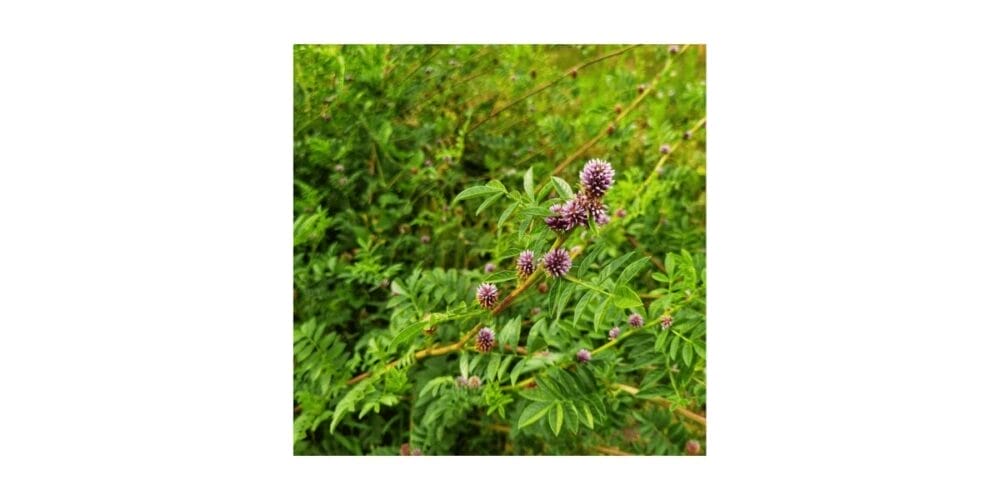
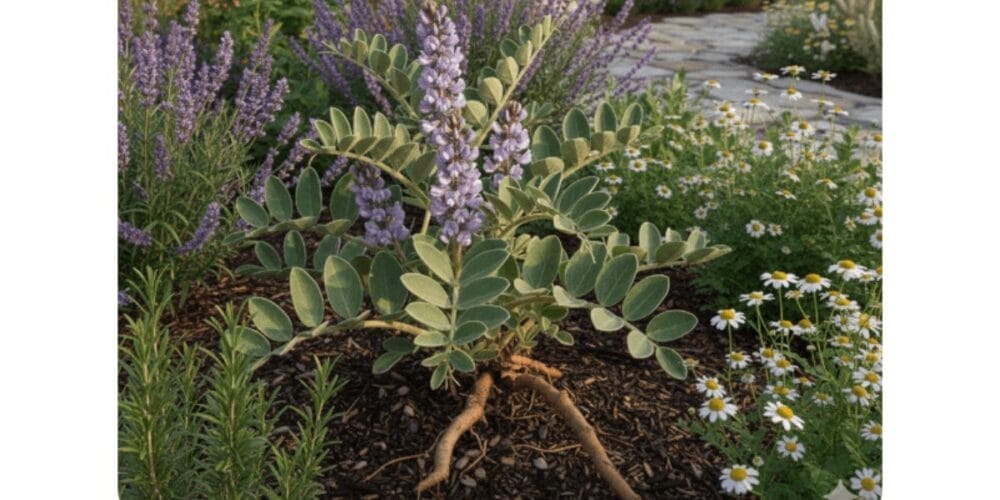
Licorice is a perennial herb grown mainly for its roots. The roots contain glycyrrhizin, a natural compound responsible for licorice’s sweet flavor and medicinal properties. The plant typically grows 1–1.5 meters tall and produces purple to pale blue flowers.
Climate Requirements for Licorice Cultivation
Licorice grows best in:


- Temperate and subtropical climates
- Moderate rainfall areas
- Regions with warm summers and mild winters
Ideal temperature range: 15°C to 30°C
Licorice plants require a long growing season because roots develop slowly. Frost-prone areas should avoid winter planting.
Soil Requirements
Soil plays a crucial role in root development.
Best Soil Type:
- Deep sandy loam soil
- Well-drained soil with good aeration
Soil pH: 6.0 – 8.0
Avoid heavy clay soils because they restrict root expansion and reduce yield.
Before planting, incorporate:
- Well-decomposed farmyard manure (FYM)
- Compost or organic matter
This improves soil structure and microbial activity.
Also Read: How to Grow Cubeb Pepper: Complete Cultivation Guide for Farmers and Gardeners
Propagation Methods
Licorice is mainly propagated through root cuttings rather than seeds.
Root Cutting Method (Most Recommended)
- Select healthy mother plants
- Cut roots into 10–15 cm pieces
- Ensure each piece has at least one bud
- Plant horizontally 5–7 cm deep in soil
Seed Propagation (Less Common)
Seeds require pre-soaking and scarification for better germination.
Land Preparation
- Plough land 2–3 times for fine tilth
- Remove weeds and stones
- Prepare raised beds or ridges for proper drainage
- Add organic manure during last ploughing
Planting Time
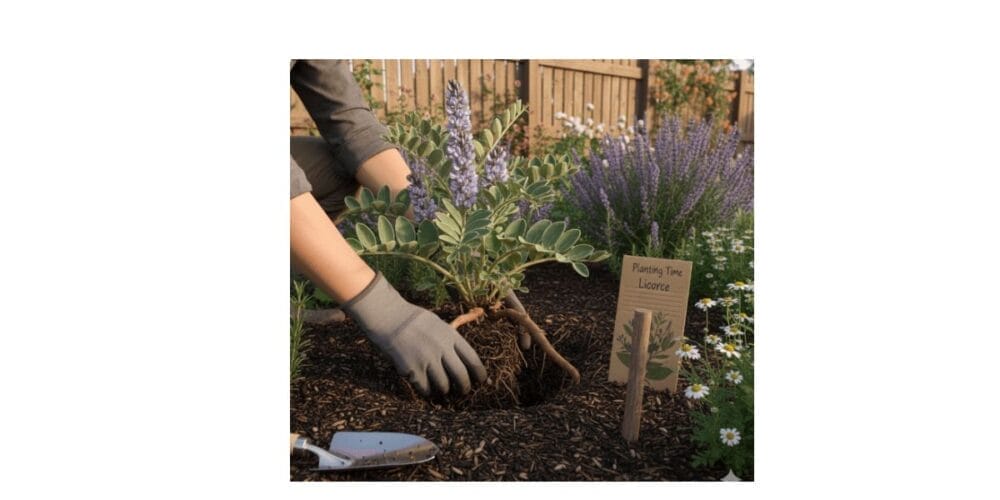
Best planting season:
- Spring (February – March) in mild regions
- Early monsoon in warmer regions
Spacing:
- Row to row: 60–90 cm
- Plant to plant: 30–45 cm
Proper spacing ensures good root development and airflow.
Irrigation Management
Licorice requires moderate irrigation.
Critical Stages:
- After planting
- Early vegetative growth
- Root development stage
Avoid waterlogging as it causes root rot.
Typical irrigation interval:
- Summer: Every 7–10 days
- Winter: Every 15–20 days
Nutrient Management
Licorice responds well to organic nutrition.
Recommended Fertilizer Application:
- FYM or compost: 10–15 tons per hectare
- Nitrogen: 40–60 kg/ha
- Phosphorus: 40–50 kg/ha
- Potassium: 30–40 kg/ha
Micronutrients like zinc and iron help improve root quality and plant vigor.
Weed Management
Weeds compete with licorice plants for nutrients and moisture.
Control methods:
- Manual weeding (2–3 times during early growth)
- Mulching using straw or organic residue
- Intercropping with compatible crops
Pest and Disease Management
Licorice is relatively hardy but can face some problems.
Common Pests
- Aphids
- Root borers
Control:
- Neem oil spray
- Biological pest control
Common Diseases
- Root rot
- Leaf spot
Control:
- Avoid waterlogging
- Maintain proper spacing
- Use disease-free planting material
Growth Duration
Licorice is a long-duration crop.
Crop maturity: 18–24 months
Roots become thicker and sweeter with longer growth.
Also Read: How to Grow Nigella Seeds – Complete Cultivation Guide
Harvesting
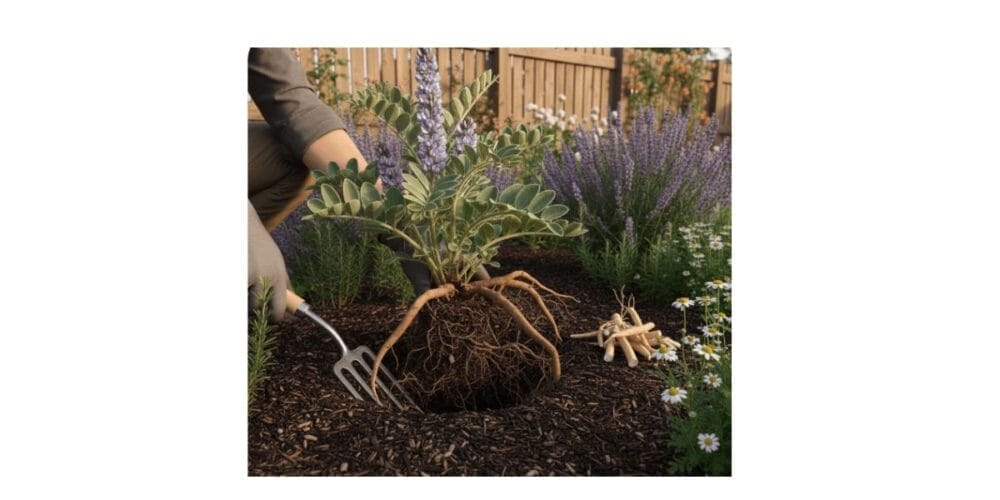
Licorice roots are ready when:
- Plants start drying naturally
- Leaves turn yellow
Harvesting steps:
- Irrigate lightly before harvest
- Dig carefully to avoid root damage
- Wash roots to remove soil
Post-Harvest Processing
After harvesting:
- Cut roots into small pieces
- Dry under shade or controlled drying unit
- Store in dry, cool place
Proper drying maintains sweetness and medicinal quality.
Yield Expectation
Average root yield:
- 2–4 tons per hectare (dry roots)
Yield depends on:
- Soil fertility
- Irrigation management
- Crop duration
Benefits of Growing Licorice
High demand in pharmaceutical industry
Used in herbal medicine and Ayurveda
Long shelf life product
Suitable for medicinal crop diversification
Good export potential
Intercropping Possibilities
Licorice can be intercropped with:
- Medicinal herbs
- Short-duration vegetables
- Legume crops
This improves land productivity.
Common Mistakes to Avoid
Planting in poorly drained soil
Over-irrigation
Using weak root cuttings
Harvesting too early
Ignoring weed control
FAQs
How long does licorice take to grow?
Licorice usually takes 18–24 months to reach full root maturity.
Can licorice grow in pots?
It is possible but not recommended because roots need deep soil for proper development.
Is licorice profitable?
Yes, licorice has good market demand, especially in herbal and pharmaceutical sectors.
Does licorice need heavy fertilizer?
No. It grows well with organic manure and balanced nutrients.
Also Read: How to Grow Caraway: Complete Cultivation Guide for Beginners and Farmers
Final Opinion
Licorice is an excellent medicinal crop for farmers looking to diversify into herbal cultivation. Although it requires patience due to its long growing duration, the crop offers strong market demand and good economic returns. With proper soil preparation, irrigation management, and organic nutrition, farmers can successfully grow licorice and achieve high-quality root yield.
Also Read: About How to Grow Licorice on https://www.picturethisai.com/care/Glycyrrhiza_glabra.html Site