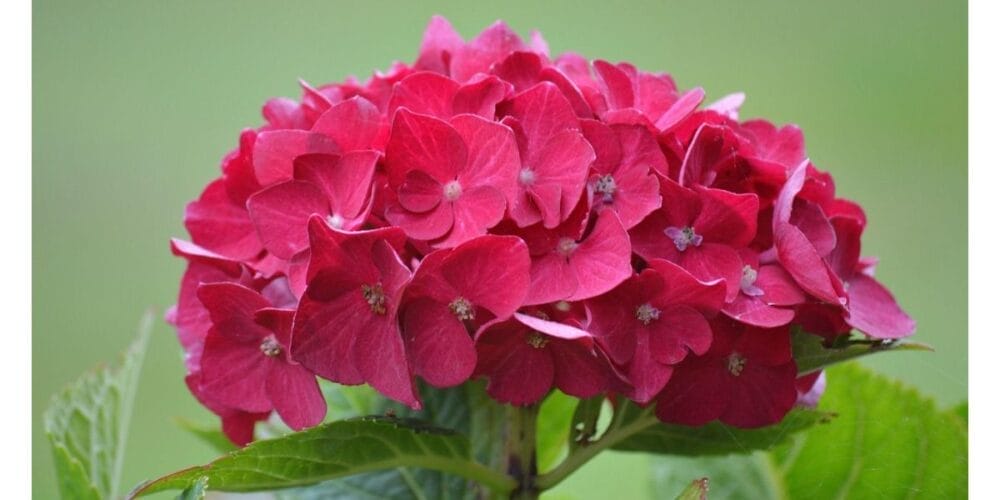
How to Grow Hydrangea
Hydrangeas are among the most popular ornamental flowering plants grown in gardens around the world. Known for their large, colorful flower clusters and lush foliage, hydrangeas add elegance and charm to any landscape. Whether planted in garden beds, borders, or containers, these flowering shrubs can transform your garden into a vibrant display of colors.
In this guide, you will learn how to grow hydrangea successfully, including planting tips, soil requirements, watering, pruning, and care techniques to ensure healthy growth and abundant blooms.
Table of Contents
What is Hydrangea?
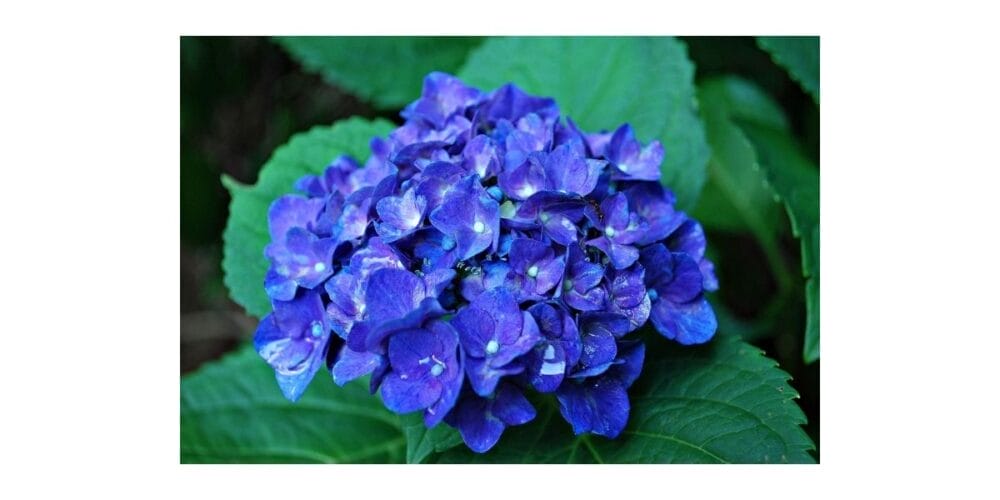
Hydrangea is a genus of flowering shrubs native to Asia and the Americas. These plants are famous for their large spherical or cone-shaped flower clusters, which come in shades of blue, pink, white, purple, and green.
Hydrangeas are versatile plants that thrive in many climates and are commonly used in:


- Home gardens
- Landscape decoration
- Flower borders
- Container gardening
One unique feature of hydrangeas is that their flower color can change depending on soil pH.
Popular Types of Hydrangea
Several varieties of hydrangeas are cultivated in gardens. The most popular ones include:
1. Bigleaf Hydrangea
Hydrangea macrophylla is the most common hydrangea variety known for its large round flower heads. Its flowers often change color depending on soil acidity.
2. Panicle Hydrangea
Hydrangea paniculata produces cone-shaped flower clusters and is more tolerant of sunlight.
3. Smooth Hydrangea
Hydrangea arborescens is known for its hardy nature and beautiful white blooms.
4. Oakleaf Hydrangea
Hydrangea quercifolia has unique oak-shaped leaves and stunning fall colors.
Ideal Climate for Growing Hydrangea
Hydrangeas grow best in moderate climates with partial sunlight.
Temperature:
18°C – 30°C is ideal for growth.
Sunlight:
Most hydrangeas prefer morning sun and afternoon shade.
Humidity:
These plants thrive in moderate to high humidity environments.
In warm regions of India, planting hydrangeas in partially shaded areas helps prevent leaf burn.
Also Read: How to Grow Cockscomb: (Complete Gardening Guide)
Best Soil for Hydrangea
Hydrangeas grow best in well-drained, fertile soil rich in organic matter.
Ideal soil conditions include:
- Soil pH: 5.5 – 6.5
- Loamy or sandy loam soil
- High organic content
- Good drainage
Adding compost or well-rotted manure improves soil fertility and supports strong plant growth.
Interesting Fact About Soil pH
Hydrangea flower color can change depending on soil acidity:
- Acidic soil (pH below 6) → Blue flowers
- Alkaline soil (pH above 7) → Pink flowers
How to Plant Hydrangea
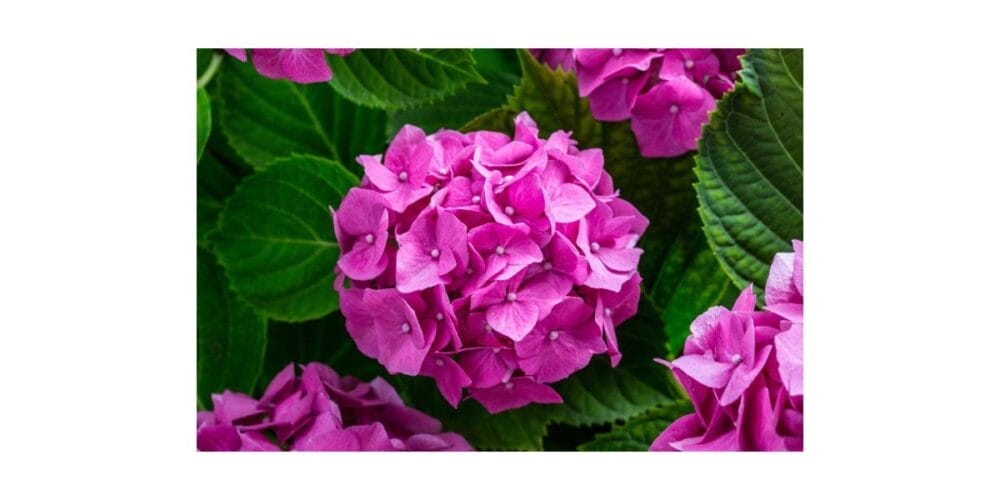
Planting hydrangeas correctly is essential for healthy growth.
Step 1: Choose a Healthy Plant
Select a healthy nursery plant with strong stems and green leaves.
Step 2: Prepare the Soil
Mix the garden soil with:
- Compost
- Coco peat
- Sand
This mixture ensures good drainage and nutrients.
Step 3: Dig a Planting Hole
Dig a hole twice the width of the root ball.
Step 4: Plant the Hydrangea
Place the plant in the hole and fill it with soil mixture. Gently press the soil around the base.
Step 5: Water Thoroughly
Water immediately after planting to help the roots settle.
Watering Requirements
Hydrangeas require consistent moisture, especially during the growing season.
Watering tips:
- Water 2–3 times per week in warm weather
- Keep the soil moist but not waterlogged
- Mulch around the plant to retain moisture
Avoid overhead watering to reduce fungal diseases.
Fertilizer for Hydrangea
Regular feeding helps hydrangeas produce larger and more vibrant flowers.
Use the following fertilizers:
- Organic compost
- Vermicompost
- Balanced NPK fertilizer (10-10-10)
Fertilizer schedule:
- Early spring – Apply compost or organic fertilizer
- Mid-season – Use balanced fertilizer
- Late summer – Light feeding
Avoid excessive nitrogen, as it promotes leaves instead of flowers.
Also Read: Lotus Flower Cultivation: A Complete Guide for Farmers and Gardeners
Pruning Hydrangea Plants
Pruning helps maintain plant shape and encourages new growth.
Pruning tips:
- Remove dead or damaged branches
- Prune after flowering season
- Cut weak stems to improve air circulation
Different hydrangea varieties have different pruning requirements, so always check the plant type before pruning.
Common Pests and Diseases
Hydrangeas are relatively easy to maintain but may occasionally face pest or disease issues.
Common pests:
- Aphids
- Spider mites
- Mealybugs
Common diseases:
- Powdery mildew
- Leaf spot
- Root rot
Prevention Tips
- Ensure proper air circulation
- Avoid overwatering
- Use neem oil spray for pest control
Regular inspection helps detect problems early.
Growing Hydrangea in Pots
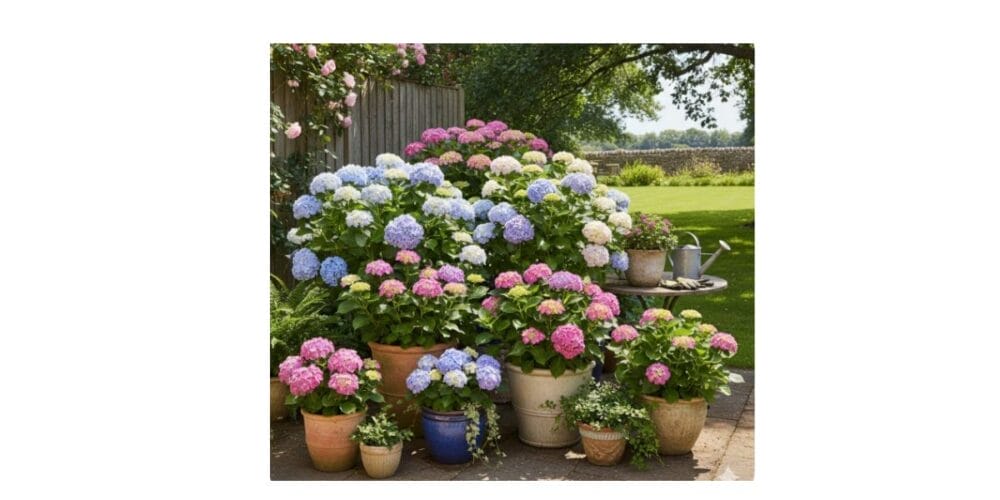
Hydrangeas can grow well in containers if proper care is provided.
Pot requirements:
- Minimum 12–16 inch pot
- Good drainage holes
- Rich potting mix
Place the pot in partial shade and water regularly.
Container-grown hydrangeas are ideal for balconies, patios, and terrace gardens.
Benefits of Growing Hydrangea
Growing hydrangeas in your garden offers several benefits:
- Adds vibrant color to landscapes
- Attracts butterflies and pollinators
- Suitable for garden borders and containers
- Long-lasting cut flowers for decoration
Their large blooms make hydrangeas one of the most attractive ornamental plants for home gardens.
Frequently Asked Questions (FAQs)
1. How long does it take for hydrangeas to bloom?
Hydrangeas usually start blooming within the first or second year after planting, depending on the variety.
2. Why are my hydrangea flowers not blooming?
Common reasons include:
- Too much shade
- Excess nitrogen fertilizer
- Improper pruning
3. Can hydrangeas grow in full sun?
Some varieties tolerate full sun, but most prefer partial shade.
4. Do hydrangeas change flower color?
Yes, some varieties change color based on soil pH levels.
Also Read: Pansy Flowers Cultivation: A Complete Guide for Beginners
Final Thoughts
Growing hydrangeas is a rewarding experience for gardeners who love colorful and elegant flowers. With the right soil, sunlight, watering, and pruning practices, hydrangea plants can thrive and produce stunning blooms year after year.
Whether you plant them in garden beds, borders, or containers, hydrangeas will enhance the beauty of your outdoor space. By following the tips in this guide, you can successfully grow healthy hydrangea plants and enjoy their spectacular flowers throughout the growing season.