How to Grow Eggplant from Seed in an Organic Kitchen Garden
Eggplant, also known as brinjal or aubergine, is a warm-season vegetable that thrives beautifully in an organic kitchen garden when grown from seed. Starting eggplant from seed not only saves money but also gives you control over plant health, variety selection, and organic practices. With a little patience and the right care, you can enjoy glossy, flavourful eggplants straight from your garden.
This complete guide walks you through every step of growing eggplant from seed organically—from seed selection to harvest.
Table of Contents
Why Grow Eggplant from Seed?
Growing eggplant from seed allows gardeners to choose heirloom or region-specific varieties that are often unavailable as transplants. It also ensures chemical-free cultivation right from the beginning. Seed-grown plants tend to adapt better to your local conditions, resulting in stronger roots and higher yields.
Step 1: Choosing the Right Eggplant Seeds

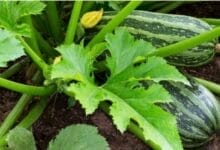
Select organic, non-GMO seeds from a trusted source. Popular eggplant varieties for kitchen gardens include:



- Black Beauty
- Long Purple
- Ping Tung Long
- Green Round Brinjal
- Thai Eggplant
Choose varieties based on your climate, space, and culinary preferences. Long or compact varieties work especially well in containers.
Step 2: When to Start Eggplant Seeds
Eggplants need warm temperatures to germinate and grow. Start seeds 8–10 weeks before the last expected frost if sowing indoors. In tropical or subtropical regions, seeds can be started directly outdoors when temperatures stay above 20°C (68°F).
Eggplants grow best when daytime temperatures range between 24–32°C (75–90°F).
Also Read: The Complete Guide to Growing & Harvesting Organic Peas
Step 3: Preparing Organic Seed-Starting Mix
Use a light, well-draining organic seed-starting mix. You can make your own by combining:
- 40% coco peat or peat moss
- 30% mature compost or vermicompost
- 20% garden soil
- 10% sand or perlite
Avoid heavy soil, as eggplant seedlings are sensitive to poor drainage.
Step 4: Sowing Eggplant Seeds
- Fill seed trays or small pots with moist soil mix
- Sow seeds ¼ inch deep
- Space seeds about 1 inch apart
- Lightly cover with soil and gently water
Place the trays in a warm location with indirect sunlight. Maintain consistent moisture without overwatering.
Germination time: 7–14 days
Step 5: Caring for Eggplant Seedlings

Once seedlings emerge, move them to a sunny spot where they receive 6–8 hours of sunlight daily. Rotate trays regularly to prevent leggy growth.
Water when the topsoil feels dry. Avoid waterlogging, as this can cause damping-off disease.
After two weeks, feed seedlings with diluted liquid compost tea or seaweed extract every 10–14 days.
Step 6: Hardening Off Seedlings
Before transplanting outdoors, harden off seedlings by gradually exposing them to outdoor conditions over 7–10 days. Start with a few hours of morning sun and increase exposure daily.
This step reduces transplant shock and strengthens the plants.
Yellow Capsicum Cultivation: A Complete Guide for Profitable FarmingAlso Read:
Step 7: Transplanting Eggplant into the Kitchen Garden
Transplant seedlings when they are 5–6 inches tall and nighttime temperatures stay above 18°C (65°F).
Soil Preparation
Eggplants prefer fertile, slightly acidic soil (pH 5.5–7). Prepare beds by mixing in:
- Well-rotted compost
- Aged manure
- Neem cake or mustard cake (for pest prevention)
Spacing
- Space plants 18–24 inches apart
- Rows should be 30 inches apart
Water well after transplanting and apply organic mulch to retain moisture and suppress weeds.
Step 8: Organic Care & Maintenance
Watering
Eggplants need consistent watering, especially during flowering and fruiting. Water deeply 2–3 times per week depending on weather.
Fertilising
Feed plants every 3–4 weeks with:
- Compost tea
- Vermicompost
- Banana peel liquid for potassium
Avoid excessive nitrogen, which leads to leafy growth with fewer fruits.
Step 9: Natural Pest & Disease Control
Common eggplant pests include aphids, flea beetles, and fruit borers.
Organic solutions:
- Neem oil spray every 7–10 days
- Hand-picking pests early
- Companion planting with basil, marigold, or coriander
Ensure good airflow to prevent fungal diseases.
Also Read: How to Grow Organic Carrots in a Raised-Bed Kitchen Garden
Step 10: Flowering, Pollination & Fruit Set

Eggplants produce beautiful purple flowers that are mostly self-pollinating. Gently shaking the plant helps improve pollination and fruit set, especially in container gardens.
Step 11: Harvesting Eggplant
Eggplants are ready to harvest 60–80 days after transplanting, depending on variety.
Harvest fruits when they are:
- Glossy and firm
- Medium-sized
- Before seeds harden
Use sharp pruners to cut the fruit, leaving a small stem attached. Regular harvesting encourages more production.
Final Thoughts
Growing eggplant from seed in an organic kitchen garden is a rewarding experience that delivers fresh, nutritious produce straight to your table. With warm temperatures, fertile soil, and organic care, eggplant plants thrive and produce generously throughout the season.
Whether you grow them in raised beds, containers, or open ground, starting eggplant from seed ensures healthier plants and better flavour—making every harvest worth the effort.
Happy organic gardening!
Also Read: About How to Grow Eggplant from Seed in an Organic Kitchen Garden on gardenary.com Site