How to Grow Crossandra
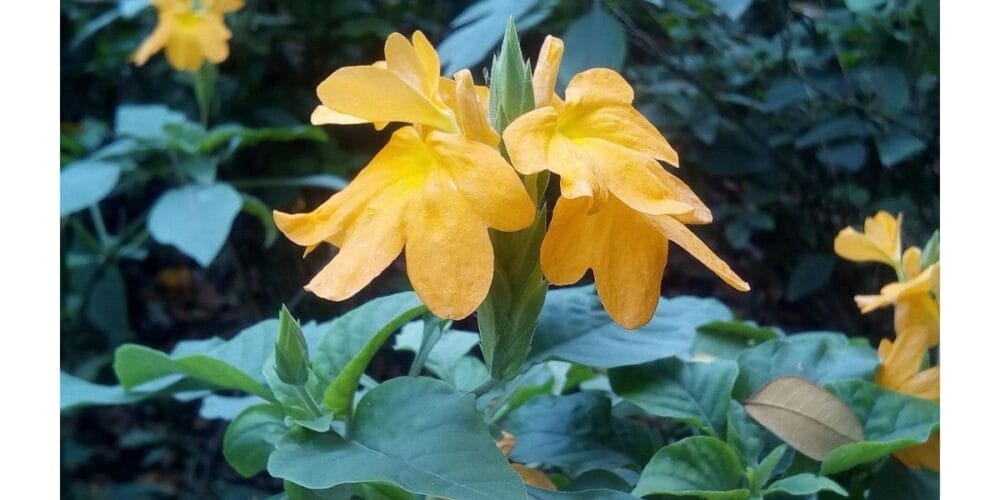
If you love vibrant and long-lasting flowers in your garden, Crossandra infundibuliformis, commonly known as the Firecracker Flower, is an excellent choice. This tropical ornamental plant is admired for its bright orange blooms and glossy green leaves. Native to India and Sri Lanka, Crossandra thrives in warm climates and is widely grown in home gardens, landscapes, and pots.
Crossandra is especially popular because it blooms almost year-round in tropical regions and requires relatively simple care.
In this guide, you will learn everything about how to grow Crossandra, including planting methods, soil requirements, watering tips, fertilization, and pest management.
Table of Contents
What is Crossandra?
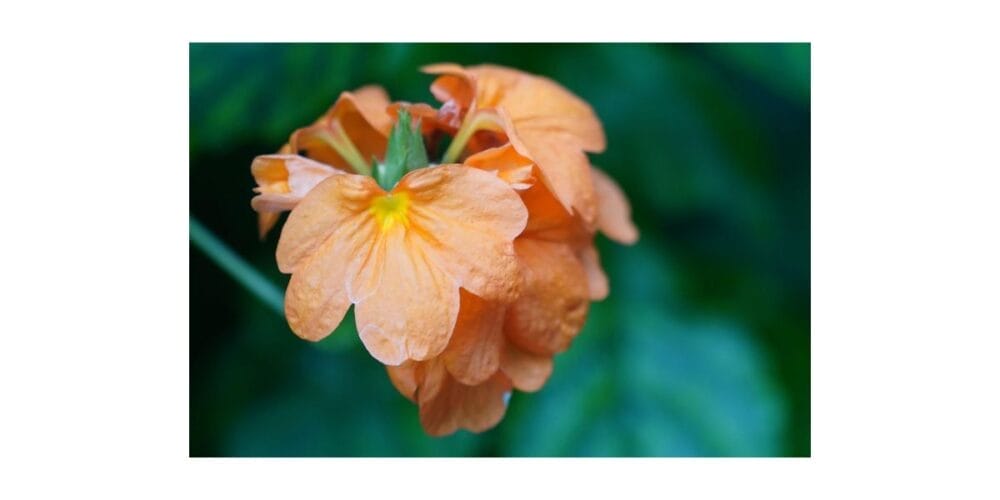
Crossandra is a tropical flowering plant belonging to the Acanthaceae family. It is commonly grown as a garden ornamental due to its attractive flowers and ability to bloom continuously in warm conditions.


The plant produces clusters of bright orange, peach, or salmon-colored flowers that resemble small firecrackers, which is why it is often called the Firecracker Flower. The plant typically grows between 30–60 cm tall and works beautifully in flower beds, borders, and containers.
Ideal Growing Conditions for Crossandra
Understanding the right growing conditions is the key to healthy and productive plants.
1. Climate
Crossandra thrives in warm and humid climates. It grows best in tropical and subtropical regions where temperatures range between 20°C and 35°C.
The plant is sensitive to cold temperatures and frost. If you live in cooler regions, growing Crossandra in pots and moving them indoors during winter is recommended.
2. Soil Requirements
Crossandra prefers well-drained, fertile soil rich in organic matter.
Ideal soil characteristics include:
- Slightly acidic to neutral pH (5.8–7.0)
- Loose and well-aerated structure
- Good moisture retention with proper drainage
You can prepare an ideal potting mix using:
- Garden soil
- Compost or well-rotted manure
- Sand or cocopeat for drainage
This combination supports healthy root development and better flowering.
3. Sunlight
Crossandra grows best in partial shade to bright indirect sunlight.
Too much direct sunlight may scorch the leaves, while too little light can reduce flowering. Ideally, provide 4–6 hours of filtered sunlight daily.
When grown indoors, place the plant near a bright window where it can receive sufficient light.
Also Read: How to Grow Mule Flower: A Complete Guide for Gardeners
Propagation of Crossandra
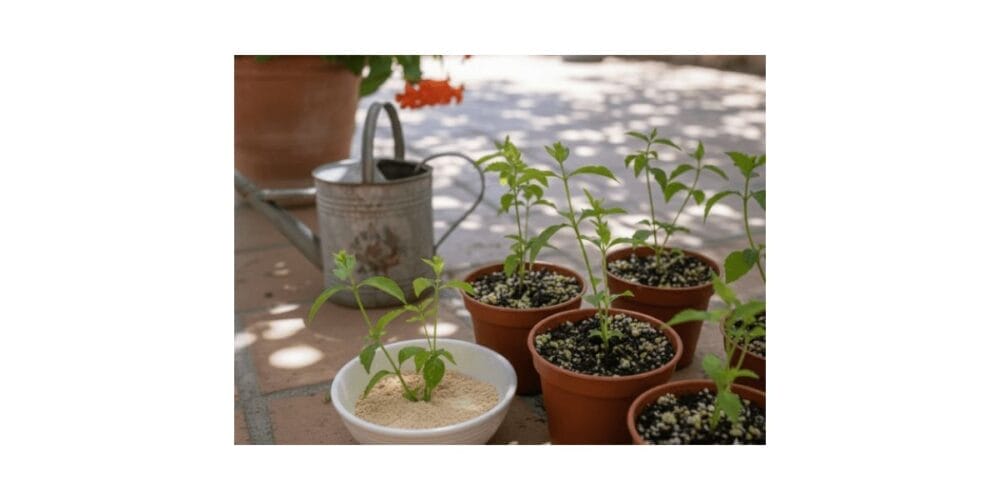
Crossandra can be propagated through seeds or stem cuttings.
1. Growing from Seeds
Growing Crossandra from seeds is simple but requires warm conditions.
Steps:
- Fill seed trays with a well-drained potting mix.
- Sow seeds about 0.5 cm deep.
- Water lightly to keep the soil moist.
- Place the tray in a warm location with indirect sunlight.
Seeds usually germinate within 7–14 days.
Once seedlings develop 3–4 leaves, transplant them into larger pots or garden beds.
2. Propagation by Stem Cuttings
This is the fastest and most reliable method.
Steps:
- Take a 10–12 cm healthy stem cutting.
- Remove the lower leaves.
- Dip the cutting in rooting hormone (optional).
- Plant it in moist potting soil.
- Keep it in partial shade.
Roots usually develop within 3–4 weeks.
Watering Requirements
Crossandra requires consistent moisture but does not tolerate waterlogging.
Watering tips:
- Water when the topsoil feels dry.
- Avoid overwatering to prevent root rot.
- Reduce watering during cooler months.
- Ensure good drainage in pots and garden beds.
Maintaining evenly moist soil encourages continuous flowering.
Fertilizer Management
Proper fertilization significantly improves plant growth and flower production.
Recommended fertilizer practices:
- Apply organic compost or vermicompost every 4–6 weeks.
- Use a balanced liquid fertilizer (NPK 10-10-10 or 19-19-19) every 2–3 weeks during the growing season.
- Avoid excessive nitrogen as it may encourage leaf growth instead of flowers.
Micronutrients such as iron and magnesium can also help maintain healthy foliage and vibrant blooms.
Pruning and Maintenance
Regular pruning helps keep Crossandra plants compact and encourages more flowering.
Maintenance tips:
- Remove wilted flowers regularly.
- Trim leggy stems to promote bushy growth.
- Prune lightly after major flowering cycles.
This simple care routine improves plant shape and extends the blooming period.
Also Read: Tulip Flower Cultivation: A Complete Guide for Gardeners and Growers
Common Pests and Diseases
Crossandra plants are generally hardy but can occasionally be affected by pests and diseases.
Common Pests
- Aphids
- Spider mites
- Whiteflies
- Mealybugs
You can control these pests using:
- Neem oil spray
- Insecticidal soap
- Proper garden hygiene
Common Diseases
The most common problems include:
- Root rot due to overwatering
- Leaf spot caused by fungal infections
Preventive measures include:
- Avoiding waterlogged soil
- Maintaining proper air circulation
- Removing infected leaves
Growing Crossandra in Pots
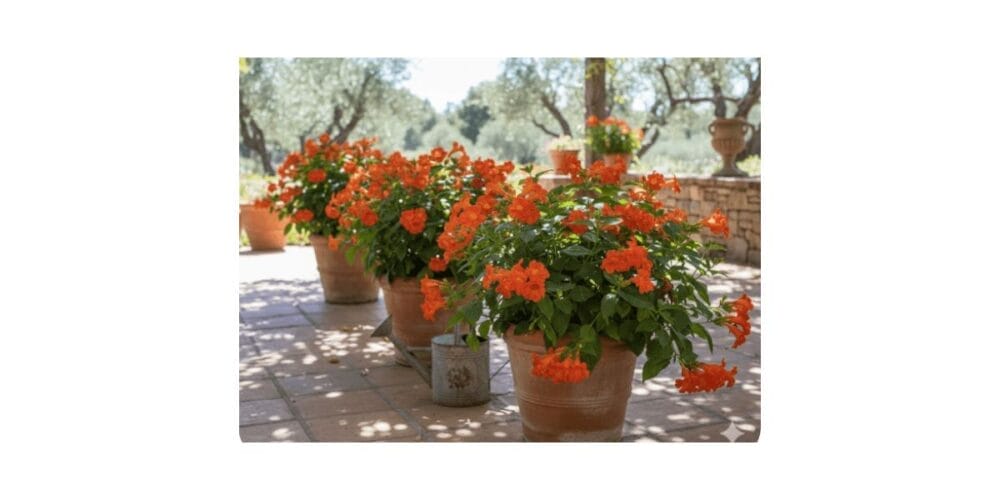
Crossandra is an excellent container plant for balconies, patios, and indoor spaces.
Tips for container growing:
- Use pots with good drainage holes.
- Choose a 10–12 inch container for mature plants.
- Use a well-drained potting mix with organic compost.
- Repot the plant every 1–2 years.
Container plants require slightly more frequent watering and feeding.
Benefits of Growing Crossandra
Growing Crossandra in your garden offers several benefits:
- Produces bright ornamental flowers.
- Blooms almost year-round in warm climates.
- Suitable for garden beds, borders, and containers.
- Requires low maintenance compared to many flowering plants.
- Attracts butterflies and pollinators.
Because of these advantages, Crossandra is a favorite choice among gardeners and landscape designers.
Also Read: Lotus Flower Cultivation: A Complete Guide for Farmers and Gardeners
Final Thoughts
Growing Crossandra infundibuliformis is a rewarding experience for gardeners who enjoy colorful and long-lasting blooms. With the right combination of warm temperatures, well-drained soil, moderate watering, and regular fertilization, this tropical plant can flourish and brighten your garden throughout the year.
Whether planted in flower beds or decorative pots, Crossandra adds a vibrant tropical charm to any space. By following the simple cultivation practices outlined in this guide, you can successfully grow healthy Crossandra plants and enjoy their beautiful firecracker-like flowers for many seasons.