How to Grow Cinnamon Sticks
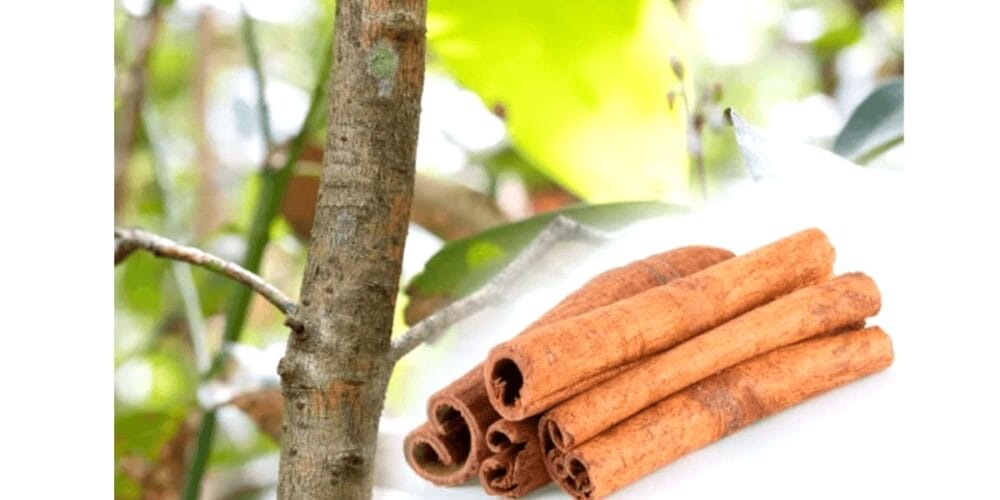
Cinnamon is one of the world’s most valuable and widely used spices, extracted from the inner bark of the tropical tree Sri Lanka native species Ceylon cinnamon (Cinnamomum verum). Growing cinnamon at home or on a farm is possible if you provide tropical conditions, patience, and proper harvesting techniques.
This guide explains everything from planting to harvesting cinnamon sticks successfully.
Table of Contents
What Are Cinnamon Sticks?
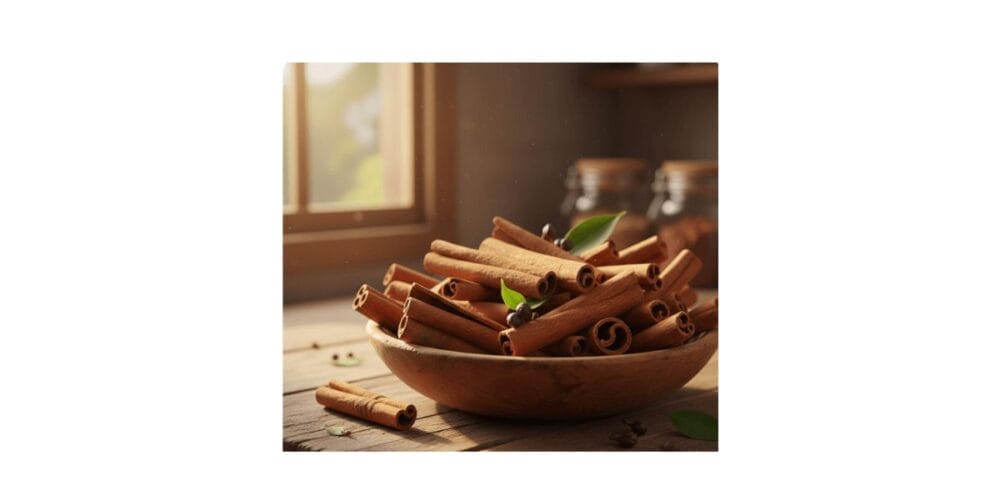
Cinnamon sticks (also called quills) are made by peeling the inner bark of young cinnamon branches. When dried, this bark curls naturally into the familiar stick shape used in cooking, medicine, and beverages. Harvest usually begins 2–3 years after planting, but full yield may take longer. (Gardenia)
Climate Requirements for Growing Cinnamon
Cinnamon grows best in tropical and humid climates.

Ideal conditions:
- Temperature: 20–30°C
- Rainfall: High rainfall or regular irrigation
- Humidity: Above 60%
- Soil pH: Slightly acidic (5.5–6.5)
Cinnamon plants are very sensitive to cold and frost and grow best in warm regions with consistent humidity and sunlight.
Good news for Indian growers: Coastal and eastern regions with warm, humid climates are suitable for cinnamon cultivation.
Soil Preparation and Land Selection
Cinnamon prefers:
- Well-drained sandy loam soil
- Rich organic matter
- Good sunlight exposure
Prepare land by digging planting pits about 30 × 30 × 30 cm and mixing soil with compost or organic manure. Proper sunlight is important because shade reduces yield.
Also Read: How to Grow Licorice: Complete Cultivation Guide for Healthy Root Yield
Propagation Methods
1. Stem Cuttings (Best Method)
- Take 6–8 inch semi-hardwood cuttings
- Plant in moist growing medium
- Roots develop in about 6–8 weeks
2. Seeds
- Low germination rate
- Slower and less reliable
Commercial growers often prefer cuttings because they grow faster and produce better quality bark.
Planting and Spacing
Recommended spacing:
- 120 cm × 90 cm for flat land
- 120 cm × 60 cm for slopes
Plant seedlings at the start of the rainy season for better survival and root development.
Irrigation and Fertilization
Irrigation
- Keep soil consistently moist
- Do not allow soil to dry completely
Fertilization
- Apply organic manure or compost
- Use balanced fertilizer during growth season
Monthly feeding or seasonal fertilizer application improves plant health and bark yield.
Pruning and Plant Training
Pruning helps produce more harvestable shoots.
- Remove weak or damaged branches
- Encourage new shoot growth
- Prune every 6 months if needed
Young shoots produce the best quality cinnamon bark.
Weed and Field Management
Weeds should be controlled, not completely removed.
Moderate weeds:
- Protect soil from erosion
- Add organic matter
- Support biodiversity
But excessive weeds compete with cinnamon plants for nutrients and water.
Also Read: How to Grow Allspice: Complete Cultivation Guide for Beginners and Commercial Growers
Harvesting Cinnamon Sticks
When to Harvest
- First harvest: 2–3 years after planting
- Best yield: After 5+ years
Harvest Process
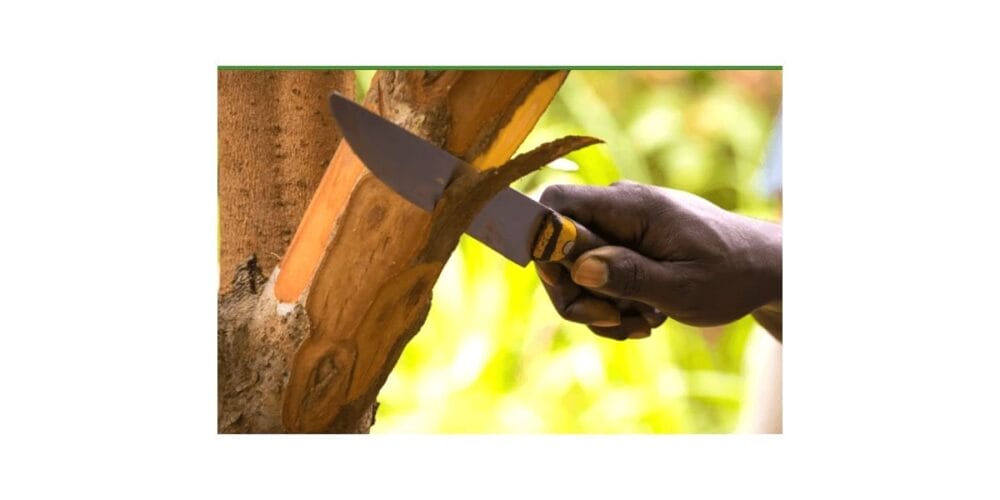
- Select pencil-thick young stems
- Cut stems near the base
- Scrape outer bark
- Peel inner bark strips
- Dry in shade for 4–7 days
The dried bark curls naturally into cinnamon sticks.
Yield Timeline
| Plant Age | Production |
| 1–2 years | Plant establishment |
| 2–3 years | First small harvest |
| 5+ years | Peak production |
Properly managed plantations can produce for decades.
Common Problems in Cinnamon Cultivation
Pests
- Leaf miners
- Mealybugs
Diseases
- Fungal leaf spot
- Root rot in waterlogged soil
Good drainage and proper spacing help prevent disease.
Tips for Successful Cinnamon Farming
Maintain tropical humidity
Harvest only young shoots
Prune regularly
Plant during monsoon
Use organic matter-rich soil
FAQs
How long does cinnamon take to grow?
First harvest in 2–3 years, best production after 5 years.
Can cinnamon grow in pots?
Yes, but growth and yield are lower than field cultivation.
Can cinnamon grow in India?
Yes, especially in humid tropical and coastal regions.
Also Read: How to Grow Cubeb Pepper: Complete Cultivation Guide for Farmers and Gardeners
Final Opinion
Cinnamon is a long-term but profitable spice crop. With proper tropical climate, soil preparation, and harvesting technique, farmers and home gardeners can successfully produce cinnamon sticks. While it requires patience, the returns in spice value and market demand make it a rewarding crop.