How to Grow Carnations
Carnations are among the most popular flowering plants in the world. Known for their ruffled petals, vibrant colors, and long-lasting blooms, these flowers are widely used in gardens, bouquets, and floral decorations. Scientifically known as Dianthus caryophyllus, carnations belong to the Dianthus genus and are admired for their sweet fragrance and ornamental value.
If you want to add beautiful, fragrant flowers to your garden, learning how to grow carnations is a great choice.
This guide will explain the ideal growing conditions, planting methods, care tips, and maintenance practices for healthy carnation plants.
Table of Contents
Introduction to Carnations
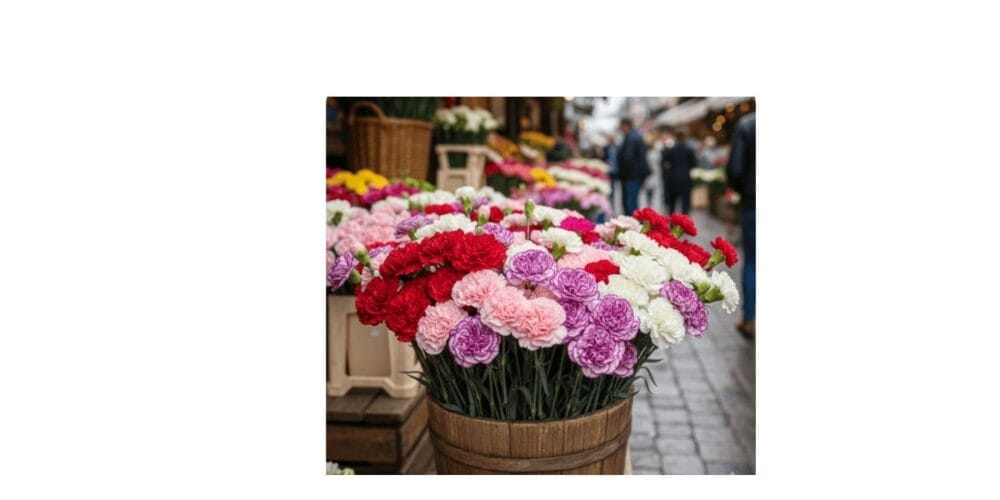
Carnations are perennial flowering plants that originated in the Mediterranean region. These flowers come in many shades such as red, pink, white, yellow, purple, and even bi-colored varieties. Because of their elegance and long vase life, carnations are widely cultivated commercially as well as in home gardens.

Carnations grow well in garden beds, borders, and containers. With proper care, they bloom multiple times throughout the growing season.
Ideal Climate for Growing Carnations
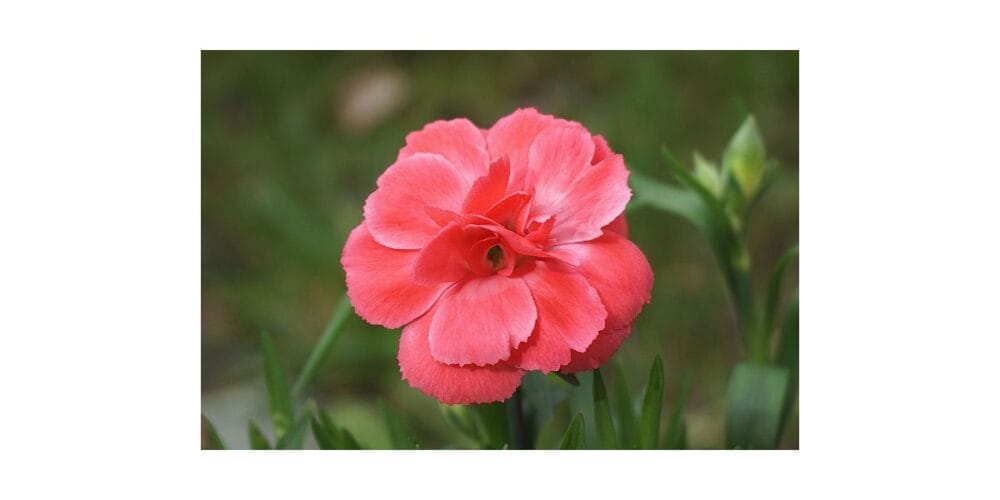
Carnations thrive in cool to moderate climates. They grow best in temperatures between 10°C and 24°C.
Key climate requirements include:
- Sunlight: Carnations require full sunlight for 4–6 hours daily.
- Temperature: Moderate temperatures promote healthy growth.
- Air circulation: Good airflow prevents fungal diseases.
- Humidity: Low to moderate humidity is ideal.
In warm regions, it is beneficial to provide partial shade during extremely hot afternoons.
Best Soil for Carnations
Carnations prefer well-drained, fertile soil rich in organic matter.
Recommended soil characteristics:
- Soil type: Sandy loam or loamy soil
- pH level: Slightly alkaline to neutral (pH 6.5–7.5)
- Drainage: Excellent drainage is essential to prevent root rot.
Before planting, mix compost or well-decomposed farmyard manure into the soil to improve fertility and structure.
Propagation Methods
Carnations can be propagated in several ways:
1. Growing from Seeds
Seed propagation is commonly used for annual carnation varieties.
Steps:
- Sow seeds in seed trays filled with light potting mix.
- Cover seeds lightly with soil.
- Water gently and keep the soil moist.
- Germination usually occurs within 7–14 days.
- Transplant seedlings when they develop 4–5 true leaves.
2. Propagation by Cuttings
Vegetative propagation is widely used for hybrid varieties.
Steps:
- Take 5–8 cm long cuttings from healthy plants.
- Remove lower leaves.
- Dip the cutting in rooting hormone.
- Plant it in moist sand or potting mix.
- Roots develop within 3–4 weeks.
Planting Carnations
Once seedlings or rooted cuttings are ready, they can be transplanted into the garden.
Planting guidelines:
- Spacing: Maintain 20–30 cm between plants.
- Planting depth: Plant at the same depth as in the nursery tray.
- Watering: Water immediately after planting.
Carnations grow well in both garden beds and containers. Ensure pots have good drainage holes.
Also Read: How to Grow Mule Flower: A Complete Guide for Gardeners
Watering Requirements
Proper watering is essential for healthy carnation growth.
Tips for watering:
- Water plants moderately and regularly.
- Keep the soil slightly moist but not soggy.
- Avoid overhead watering to prevent fungal infections.
- Reduce watering during rainy or cold periods.
Overwatering is one of the most common reasons for carnation plant diseases.
Fertilizer Management
Carnations require balanced nutrition for strong growth and abundant flowering.
Recommended fertilization practices:
- Apply well-rotted compost or farmyard manure before planting.
- Use a balanced NPK fertilizer (10-10-10 or 19-19-19) every 3–4 weeks.
- Micronutrients like magnesium and calcium improve flower quality.
Avoid excessive nitrogen because it may promote leafy growth instead of flowering.
Pruning and Pinching
Pinching and pruning encourage bushier plants and more flowers.
Pinching:
Pinch the top growing tip when the plant reaches about 10–15 cm height. This encourages side branches.
Deadheading:
Remove faded flowers regularly to promote continuous blooming.
Pruning:
Trim weak or diseased branches to maintain plant health.
Also Read: Tulip Flower Cultivation: A Complete Guide for Gardeners and Growers
Common Pests and Diseases
Carnations may be affected by a few pests and diseases.
Common Pests
- Aphids
- Spider mites
- Thrips
Control methods include neem oil spray or insecticidal soap.
Common Diseases
- Fusarium wilt
- Rust
- Powdery mildew
To prevent diseases:
- Maintain good airflow.
- Avoid waterlogging.
- Remove infected plant parts promptly.
Harvesting Carnation Flowers
Carnation flowers are usually harvested when the buds are half open.
Harvesting tips:
- Cut stems early in the morning.
- Use sharp, clean scissors.
- Place stems immediately in clean water.
With proper care, carnations can last 7–14 days in a vase, making them ideal for floral arrangements.
Benefits of Growing Carnations
Growing carnations offers several advantages:
- Beautiful ornamental flowers for gardens
- Long-lasting cut flowers
- Pleasant fragrance
- Attractive plants for landscaping
- Suitable for container gardening
Carnations are also widely used in weddings, decorations, and bouquets due to their elegance and durability.
Also Read: How to Grow Crossandra: A Complete Guide to Growing Firecracker Flower
Tips for Successful Carnation Cultivation
Follow these expert tips to grow healthy carnation plants:
- Choose a sunny planting location.
- Ensure well-drained soil to prevent root rot.
- Pinch plants early for better branching.
- Fertilize regularly but moderately.
- Remove faded flowers to promote more blooms.
Final Thoughts
Carnations are stunning flowering plants that can brighten any garden with their colorful blooms and pleasant fragrance. With the right combination of sunlight, well-drained soil, proper watering, and regular care, anyone can successfully grow these beautiful flowers.
Whether you are a home gardener or a commercial grower, cultivating Carnation can be highly rewarding. Their long-lasting flowers and easy maintenance make them a favorite choice for gardeners around the world.
By following the steps in this guide, you can enjoy a garden full of vibrant carnation blooms season after season.