How to Grow Bluebells
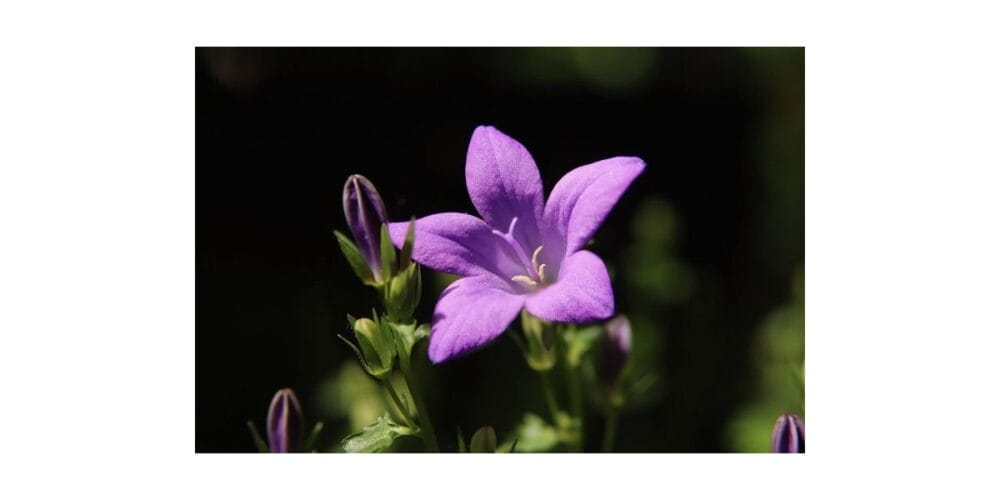
Bluebells are charming spring-blooming flowers known for their delicate bell-shaped blossoms and sweet fragrance. These flowers create a magical carpet of blue in gardens, woodlands, and landscapes. If you want to add a graceful and low-maintenance flowering plant to your garden, learning how to grow Bluebells is a wonderful choice.
The most popular species is the Hyacinthoides non-scripta, commonly known as the English Bluebell. These plants are widely appreciated for their natural beauty and ability to thrive in shady garden areas.
This guide will help you understand everything about growing Bluebells, including planting methods, soil requirements, care tips, and maintenance.
Table of Contents
What Are Bluebells?
Bluebells are perennial bulbous plants that bloom during spring, typically between April and May. They produce slender stems with clusters of nodding, bell-shaped flowers that are usually blue or violet. In addition to the famous English Bluebell, another commonly grown variety is the Hyacinthoides hispanica, which is slightly larger and easier to cultivate in gardens.

Bluebells are often associated with woodland gardens and natural landscapes because they thrive under trees and in partially shaded areas.
Ideal Growing Conditions for Bluebells
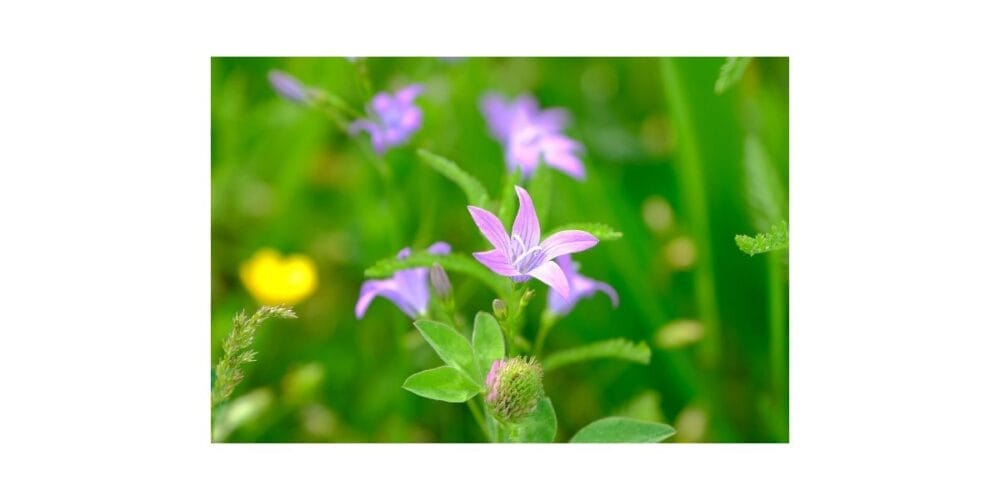
Understanding the ideal growing environment is essential for successful Bluebell cultivation.
Climate
Bluebells grow best in cool to mild climates. They prefer temperatures between 10°C and 20°C during the growing season.
Sunlight
These flowers thrive in partial shade to full shade. They grow well under deciduous trees where they receive sunlight in early spring before tree leaves fully develop.
Soil
Bluebells prefer:
- Well-drained soil
- Moist but not waterlogged conditions
- Slightly acidic to neutral pH (6.0–7.0)
Adding organic matter such as compost or leaf mold improves soil fertility and moisture retention.
Also Read: How to Grow Oleander: A Complete Cultivation Guide for Healthy Flowering Plants
How to Plant Bluebells
Bluebells are typically grown from bulbs, making them easy to plant and maintain.
Planting Time
The best time to plant Bluebell bulbs is autumn (September to November) before the ground freezes.
Planting Steps
- Choose a shaded or partially shaded area.
- Loosen the soil to a depth of 6–8 inches.
- Add compost or organic manure to improve soil structure.
- Plant bulbs 2–3 inches deep with the pointed end facing upward.
- Space bulbs 4–6 inches apart.
- Water the area gently after planting.
Once planted, Bluebells will multiply naturally and return every spring.
Watering Requirements
Bluebells require moderate watering.
- Keep the soil slightly moist during the growing season.
- Avoid overwatering, as excessive moisture can cause bulb rot.
- Reduce watering after the flowers fade and the leaves begin to die back.
During the dormant period in summer, the bulbs need very little water.
Fertilization
Bluebells are not heavy feeders, but they benefit from occasional nutrients.
Apply:
- Compost or well-rotted manure during planting
- A balanced slow-release fertilizer in early spring
This helps promote healthy foliage and abundant flowering.
Mulching
Mulching helps maintain soil moisture and prevents weed growth.
Suitable mulch materials include:
- Leaf mold
- Straw
- Compost
Apply a 2–3 inch layer of mulch around the plants in late autumn or early spring.
Propagation of Bluebells
Bluebells can be propagated in two main ways:
1. Bulb Division
This is the easiest and most common method.
- After flowering, allow the leaves to die back naturally.
- Carefully dig up mature clumps in late summer.
- Separate the bulbs and replant them immediately.
2. Seeds
Bluebells can also grow from seeds, though this method takes longer.
- Collect seeds once the seed pods dry.
- Sow them in pots or directly in the garden.
- Seed-grown plants may take 3–5 years to bloom.
Common Pests and Diseases
Bluebells are generally resistant to most pests and diseases, but some problems may occur.
Pests
- Slugs and snails may damage young leaves.
- Squirrels sometimes dig up bulbs.
Diseases
- Bulb rot due to waterlogged soil
- Fungal infections in overly humid conditions
Good drainage and proper spacing help prevent most issues.
Also Read: How to Grow Mule Flower: A Complete Guide for Gardeners
Maintenance and Care Tips
To keep Bluebells healthy and thriving, follow these maintenance tips:
- Allow foliage to die back naturally after flowering.
- Avoid cutting leaves too early, as they help store energy in the bulbs.
- Remove weeds regularly to reduce competition.
- Divide crowded clumps every 3–4 years.
These simple practices ensure vigorous growth and beautiful blooms each spring.
Benefits of Growing Bluebells
Growing Bluebells offers several advantages for gardeners:
- Adds a natural woodland charm to gardens
- Requires minimal maintenance
- Attracts pollinators such as bees and butterflies
- Spreads naturally to create stunning floral carpets
- Thrives well in shaded garden areas
Because of these benefits, Bluebells are an excellent choice for both beginner and experienced gardeners.
Frequently Asked Questions (FAQs)
1. How long do Bluebells take to bloom?
Bluebell bulbs usually bloom in the first spring after planting, while seed-grown plants may take several years.
2. Do Bluebells spread easily?
Yes, Bluebells spread naturally through bulbs and seeds, gradually forming dense colonies.
3. Can Bluebells grow in full sun?
They can tolerate some sun, but they perform best in partial shade or woodland conditions.
4. Are Bluebells suitable for containers?
Yes, Bluebells can grow in containers as long as the pot has good drainage and fertile soil.
Also Read: How to Grow Crossandra: A Complete Guide to Growing Firecracker Flower
Final Thoughts
Bluebells are among the most enchanting spring flowers you can grow in a garden. Their graceful bell-shaped blossoms, pleasant fragrance, and ability to thrive in shady areas make them a valuable addition to any landscape.
By planting bulbs in autumn, providing well-drained soil, and allowing the plants to naturalize, you can enjoy a breathtaking display of Bluebells every spring. With minimal care and attention, these elegant flowers will reward gardeners with years of beauty and charm.