How to Grow Bay Leaf
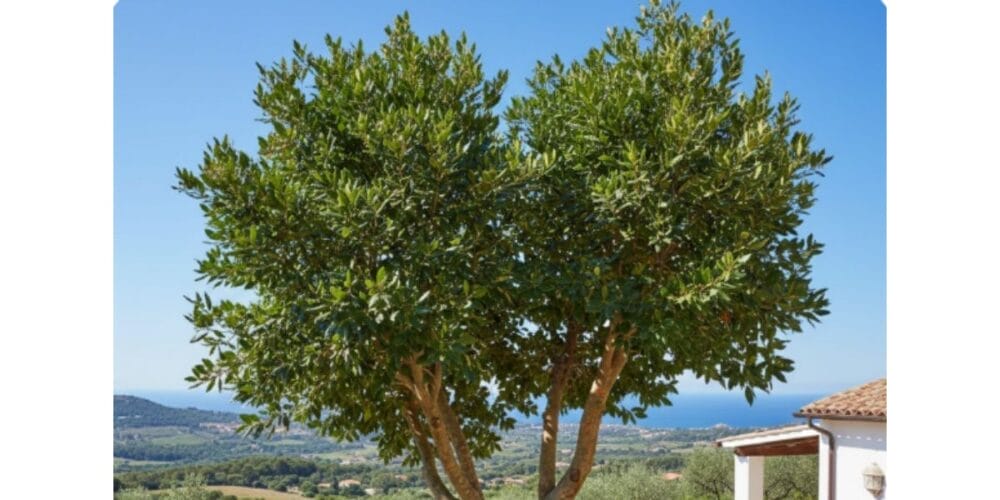
Bay leaf (Laurus nobilis) is a popular evergreen herb widely used in cooking, especially in curries, soups, and stews. Besides its culinary value, it is also an attractive ornamental plant that can be grown in gardens, farms, or containers.
If you want to grow your own bay leaf plant successfully, this detailed guide will help you from planting to harvesting.
Table of Contents
Introduction to Bay Leaf Plant
Bay leaf is a Mediterranean native evergreen shrub or small tree that can grow into a large bush or tree if left unpruned. In ideal conditions, it can reach several meters in height, but regular pruning can keep it manageable for home gardens or container growing. (RHS)
It is a slow-growing plant that produces aromatic leaves throughout the year, making it highly valuable for kitchen gardens and commercial herb farming.


Climate Requirements for Growing Bay Leaf
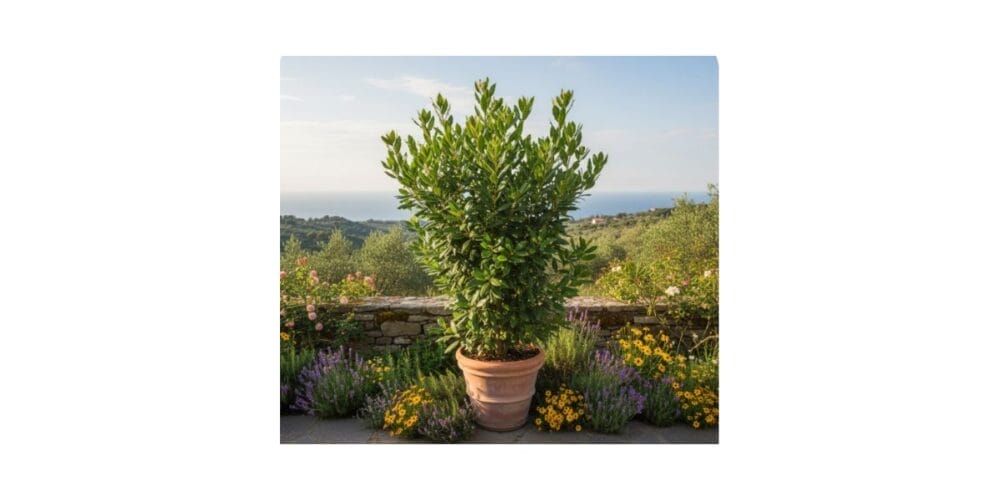
Bay leaf prefers moderate climates and grows best under warm and humid conditions.
- Ideal temperature: 15°C to 24°C
- Requires moderate humidity
- Needs protection from severe frost
- Thrives in sunny locations
Bay plants require at least 6 hours of sunlight daily for proper growth and leaf production.
Also Read: How to Grow Mace: Complete Cultivation Guide for Farmers and Gardeners
Soil Requirements
Bay leaf plants are not very picky about soil type, but good drainage is essential.
Best soil characteristics:
- Well-drained loamy or sandy soil
- pH range: 6.0 to 8.0
- Can tolerate slightly acidic to alkaline soils
Adding sand or gravel improves drainage and prevents root rot.
Propagation Methods
You can grow bay leaf using:
1. Seeds
- Slow germination
- Less commonly used commercially
2. Cuttings (Most Popular)
- Take semi-hardwood cuttings in late summer
- Plant in well-draining soil mix
- Keep moist until roots develop
Bay leaf can also be propagated successfully through cuttings with proper moisture and light.
Planting Bay Leaf
Outdoor Planting
- Choose a sunny, sheltered location
- Space plants depending on desired tree size
Container Planting
- Use a pot with drainage holes
- Use quality potting mix with compost and sand
Repot plants every 2–3 years to maintain healthy growth.
Watering Schedule
Bay leaf plants need moderate watering.
Watering Tips:
- Water when top soil (1–2 inches) becomes dry
- Keep soil moist but not waterlogged
- Reduce watering in winter
Overwatering can cause root rot, which is one of the most common problems in bay plants.
Fertilizer Management
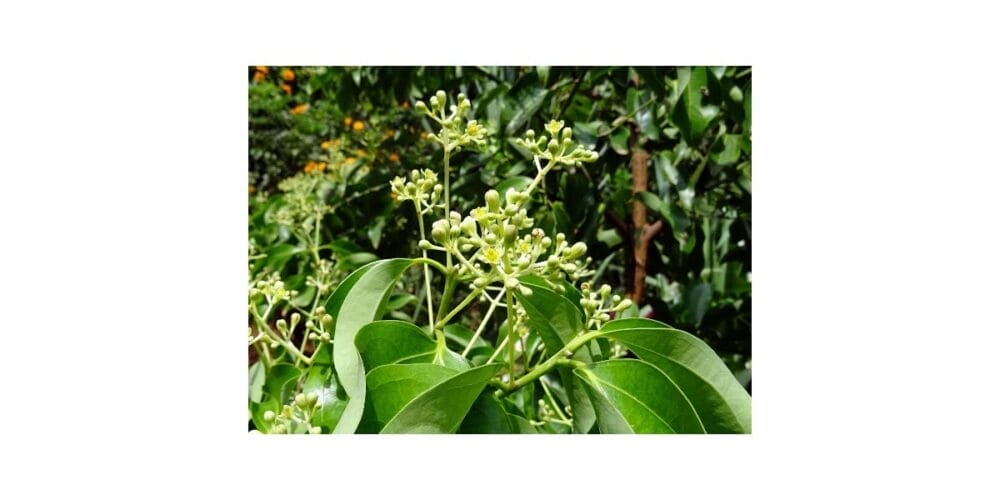
Bay leaf plants respond well to balanced fertilizers.
Recommended Fertilizer Plan:
- Use balanced NPK fertilizer (like 10-10-10)
- Apply during growing season (spring and summer)
- Organic manure or compost is also beneficial
Avoid excessive fertilizer because it can increase leaf growth but reduce flavor quality.
Mulching
Mulching helps retain soil moisture and improves soil health.
Apply:
- 2–3 inch organic mulch layer
- Keep mulch away from plant stem
Mulching also helps suppress weeds and maintain soil temperature.
Pruning and Training
Pruning is important for controlling plant size and improving leaf production.
Best Time to Prune:
- Late winter
- Early spring
Regular pruning encourages bushier growth and better leaf yield.
Pest and Disease Management
Bay leaf plants are generally pest resistant, but watch for:
- Aphids
- Scale insects
- Fungal diseases (root rot, mildew)
Maintaining proper drainage and air circulation helps prevent most diseases.
Also Read: What Vegetables to Grow in March? The best time to grow this vegetable is.
Harvesting Bay Leaves
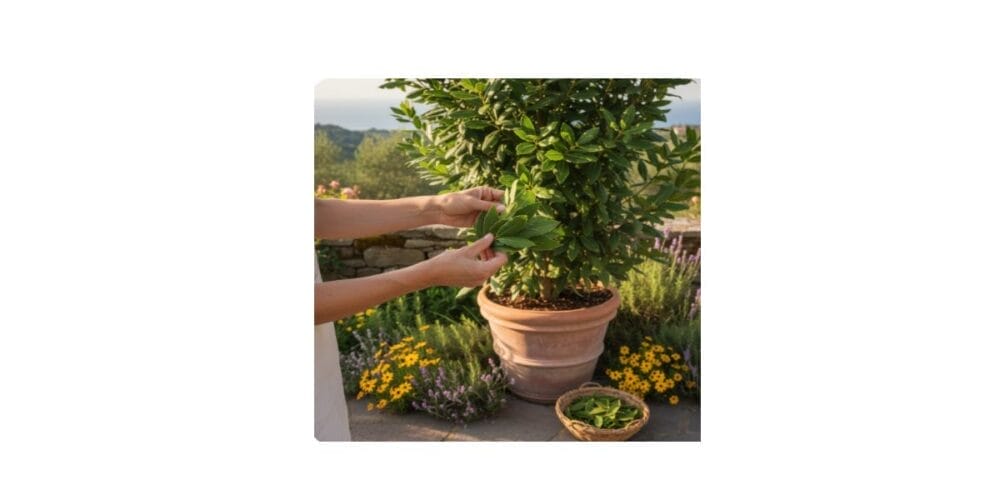
Bay leaves can be harvested throughout the year because the plant is evergreen.
Harvesting Tips:
- Harvest mature leaves
- Morning harvest is preferred
- Dry leaves before storage
Dried leaves usually have milder but more balanced flavor than fresh leaves.
Yield and Economic Importance
A healthy bay leaf plant can provide leaves for many years. Since it is evergreen, farmers and gardeners can harvest leaves multiple times annually.
It is widely used in:
- Spice industry
- Herbal medicine
- Culinary uses
Common Mistakes to Avoid
- Overwatering plants
- Poor soil drainage
- Growing in deep shade
- Over-fertilizing
- Ignoring pruning
Benefits of Growing Bay Leaf
- High market demand
- Long plant lifespan
- Low maintenance crop
- Can grow in containers
- Continuous leaf production
Also Read: How to Grow Nutmeg: Complete Cultivation Guide for Farmers and Gardeners
Final Thoughts
Bay leaf is an excellent herb plant for both home gardeners and commercial growers. It requires moderate care, proper sunlight, and well-drained soil. With regular pruning, balanced fertilization, and proper watering, bay leaf plants can produce aromatic leaves for many years.
If you are planning to grow a low-maintenance perennial herb with strong market value and kitchen use, bay leaf is a great choice.
Also Read: About How to Grow Bay Leaf on https://www.allotmentonline.co.uk/growing-bay-leaf Site