How to Grow Aster
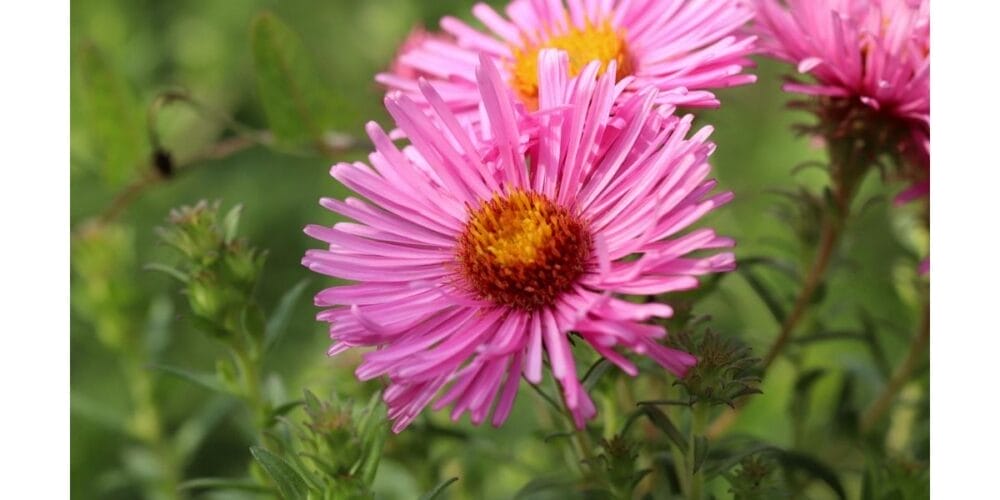
Asters are beautiful flowering plants known for their daisy-like blooms and vibrant colors. These flowers are popular in gardens because they bloom in late summer and autumn when many other flowers start fading. Their star-shaped blossoms come in shades of purple, pink, white, and blue, making them perfect for borders, flower beds, and container gardening.
If you want to add long-lasting color to your garden, learning how to grow asters is a great choice.
In this guide, you will learn everything about growing asters successfully, including planting methods, soil requirements, watering, and maintenance.
Table of Contents
What is an Aster Plant?
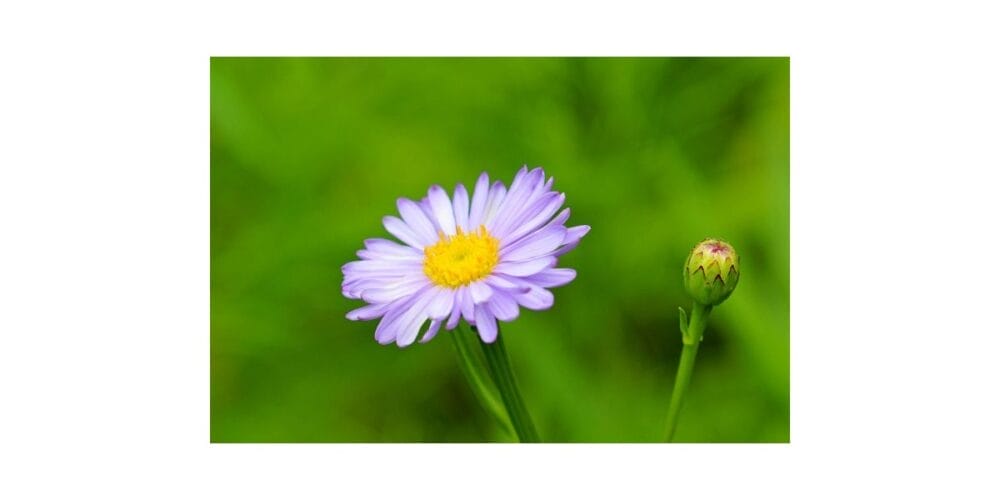
Asters are perennial flowering plants that belong to the daisy family. The name “aster” comes from the Greek word for “star,” referring to the star-shaped appearance of their flowers. These plants attract butterflies, bees, and other pollinators, making them a valuable addition to any garden.

Asters usually grow between 1 to 4 feet tall depending on the variety. They bloom from late summer to early fall and provide color when most other plants stop flowering.
Ideal Growing Conditions for Asters
Before planting asters, it is important to understand the growing conditions they prefer.
1. Sunlight
Asters grow best in full sun. They require at least 6–8 hours of sunlight daily to produce abundant flowers. However, in very hot climates, light afternoon shade can help protect the plants.
2. Soil
Asters prefer well-drained, fertile soil rich in organic matter. The soil should be slightly moist but not waterlogged.
Ideal soil characteristics include:
- Loamy or sandy soil
- Good drainage
- Slightly acidic to neutral pH (6.0–7.0)
Adding compost or organic manure improves soil fertility and supports healthy plant growth.
3. Temperature
Asters grow well in moderate climates. They tolerate cool temperatures and can survive mild frost, which makes them ideal autumn bloomers.
How to Plant Asters
Asters can be grown from seeds, seedlings, or plant divisions.
Growing Asters from Seeds
- Start seeds indoors 6–8 weeks before the last frost.
- Fill seed trays with well-drained potting mix.
- Sow seeds lightly and cover them with a thin layer of soil.
- Water gently to keep the soil moist.
- Germination usually occurs within 7–14 days.
Once seedlings grow strong enough, transplant them outdoors.
Planting Aster Seedlings
Follow these steps to plant seedlings in the garden:
- Choose a sunny location.
- Dig holes slightly larger than the root ball.
- Space plants 12–18 inches apart for good air circulation.
- Place the plant in the hole and cover with soil.
- Water thoroughly after planting.
Proper spacing helps prevent diseases and allows the plants to grow well.
Also Read: Lotus Flower Cultivation: A Complete Guide for Farmers and Gardeners
Watering Requirements

Asters prefer moderately moist soil.
Watering tips:
- Water deeply once or twice a week.
- Avoid overwatering, as soggy soil can cause root rot.
- Water at the base of the plant to prevent fungal diseases.
Mulching around the plants helps retain soil moisture and reduce weed growth.
Fertilizing Aster Plants
Asters benefit from balanced fertilization during the growing season.
Recommended fertilizing practices:
- Add compost or organic manure before planting.
- Apply a balanced fertilizer once a month during the growing season.
- Avoid excessive nitrogen because it can produce more leaves than flowers.
Organic fertilizers such as vermicompost or compost tea work well for asters.
Pruning and Maintenance
Proper care ensures healthier plants and more blooms.
Pinching
Pinch back young plants in early summer to encourage bushier growth and more flowers.
Staking
Tall varieties may need staking to prevent stems from bending or breaking.
Deadheading
Remove faded flowers regularly to promote continuous blooming and keep the plant looking neat.
Common Pests and Diseases
Although asters are hardy plants, they can sometimes face pest and disease problems.
Common Pests
- Aphids
- Spider mites
- Leafhoppers
These pests can be controlled using neem oil spray or mild insecticidal soap.
Common Diseases
- Powdery mildew
- Leaf spot
- Root rot
Good air circulation, proper spacing, and avoiding overhead watering can reduce these problems.
Also Read: How to Grow Crossandra: A Complete Guide to Growing Firecracker Flower
Popular Aster Varieties
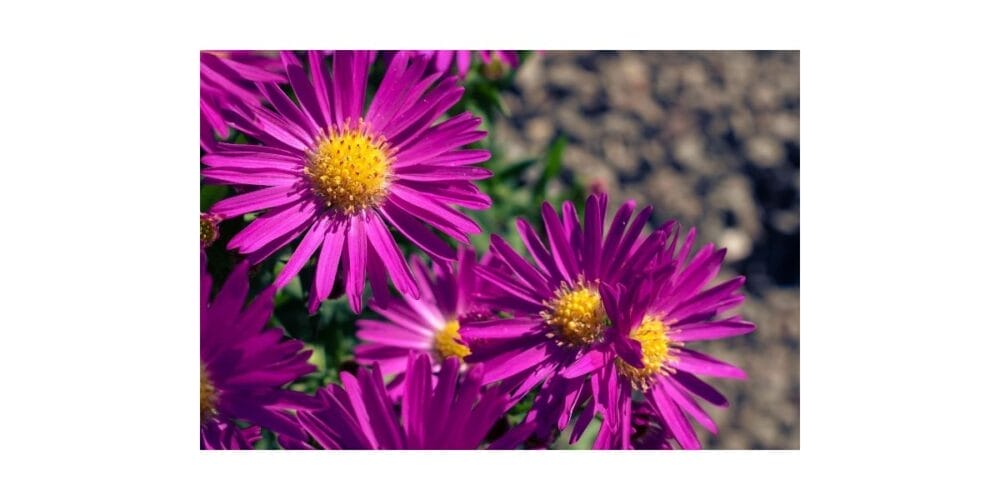
There are many varieties of asters that gardeners can grow.
Some popular types include:
New England Aster
Produces large purple flowers and attracts butterflies.
New York Aster
Known for dense clusters of colorful blooms.
Alpine Aster
A smaller variety ideal for rock gardens and borders.
Each variety offers unique colors and growth habits.
Benefits of Growing Asters
Planting asters in your garden offers several advantages.
- Late-season blooms that add color in autumn.
- Attract pollinators like butterflies and bees.
- Low-maintenance plants suitable for beginners.
- Ideal for flower borders and bouquets.
- Perennial growth, meaning they return every year.
Because of these benefits, asters are widely used in ornamental gardening.
Frequently Asked Questions (FAQs)
1. How long do asters take to bloom?
Asters usually bloom 3–4 months after planting, depending on the variety.
2. Do asters come back every year?
Yes, most asters are perennials, meaning they grow again each year if properly maintained.
3. Can asters grow in pots?
Yes, asters grow well in containers if the pot has good drainage and enough sunlight.
4. When is the best time to plant asters?
The best time to plant asters is spring, allowing the plants to establish before flowering in late summer.
Also Read: How to Grow Allamanda: A Complete Guide to Growing the Golden Trumpet Flower
Final Thoughts
Asters are wonderful plants that bring vibrant color and life to gardens during late summer and fall. They are easy to grow, require minimal maintenance, and attract beneficial pollinators. By providing proper sunlight, well-drained soil, and regular watering, you can enjoy healthy plants and beautiful star-shaped blooms year after year.
Whether planted in garden beds, borders, or containers, asters are a perfect choice for gardeners who want a long-lasting and colorful display. With the right care and attention, these stunning flowers will brighten your garden and create an attractive landscape throughout the autumn season.