How to Grow Allamanda
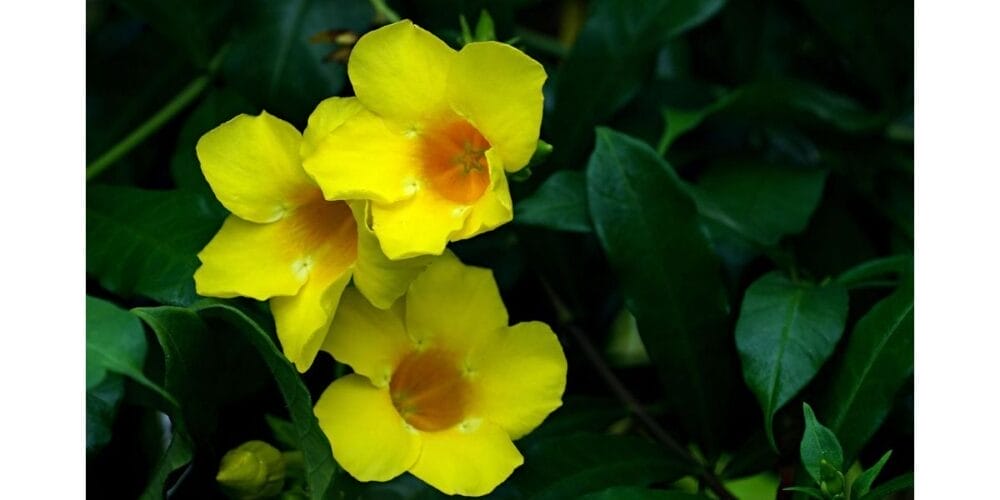
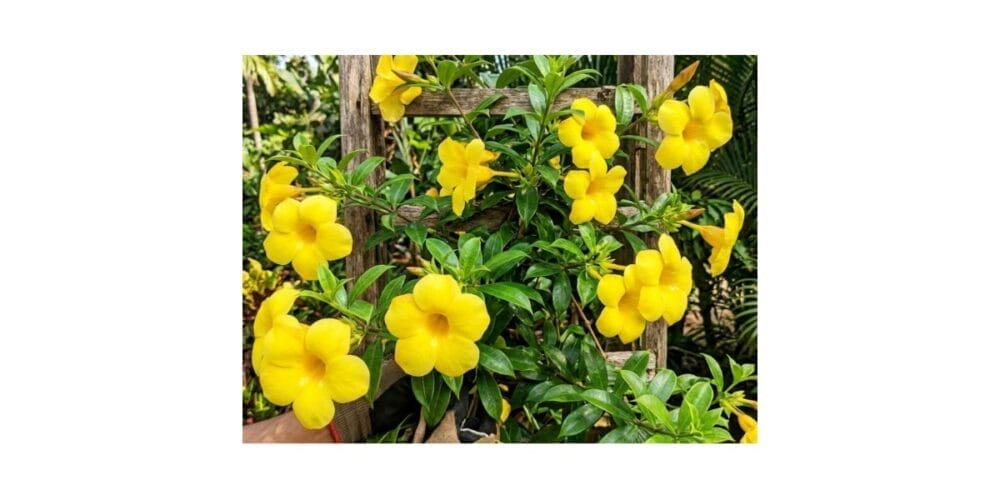
Allamanda is a beautiful tropical flowering plant known for its bright yellow trumpet-shaped blooms and glossy green foliage. Often called the Golden Trumpet, this ornamental plant is widely grown in gardens, parks, balconies, and landscapes because of its vibrant color and fast growth. Native to South America, Allamanda thrives in warm climates and is ideal for tropical and subtropical regions.
If you want to add a cheerful splash of yellow to your garden, learning how to grow Allamanda can help you successfully cultivate this stunning plant.
In this guide, we will cover everything from planting and care to maintenance tips.
Table of Contents
Introduction to Allamanda
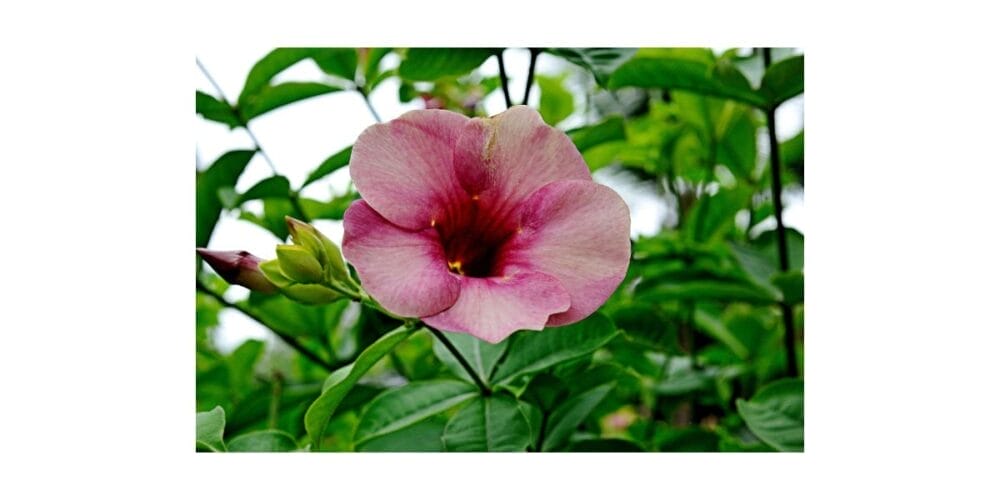
Allamanda belongs to the Apocynaceae family and can grow as a shrub, climber, or vine depending on the variety. The most popular species is Allamanda cathartica, which produces large golden flowers that bloom throughout the warm months.

Gardeners love Allamanda because:
- It produces large, bright yellow flowers
- It grows quickly and covers trellises or walls
- It blooms for long periods
- It is perfect for tropical landscapes
With proper care, Allamanda can become one of the most attractive plants in your garden.
Ideal Climate for Growing Allamanda
Allamanda grows best in warm tropical climates.
Temperature:
The ideal temperature range is 20°C to 35°C. The plant does not tolerate frost or extremely cold weather.
Sunlight:
Allamanda needs full sunlight to bloom properly. Ensure the plant receives 6–8 hours of direct sunlight daily.
Humidity:
Being a tropical plant, Allamanda prefers moderate to high humidity.
Soil Requirements
Allamanda grows best in well-drained, fertile soil rich in organic matter.
Ideal soil characteristics:
- Slightly acidic to neutral pH (6.0–7.0)
- Good drainage
- Rich in compost or organic manure
Recommended potting mix:
- 40% garden soil
- 30% compost or vermicompost
- 20% sand
- 10% coco peat
This mixture ensures good aeration and moisture retention.
Also Read: How to Grow Mule Flower: A Complete Guide for Gardeners
How to Plant Allamanda
Allamanda can be grown from stem cuttings or nursery plants.
Growing from Cuttings
- Select a healthy semi-hardwood stem about 6–8 inches long.
- Remove the lower leaves.
- Dip the cutting in rooting hormone (optional).
- Plant it in moist potting mix.
- Place the pot in a warm location with indirect sunlight.
Roots usually develop within 2–4 weeks.
Planting Nursery Plants
- Dig a hole twice the size of the root ball.
- Add compost or organic manure to the soil.
- Place the plant gently into the hole.
- Fill with soil and press lightly.
- Water immediately after planting.
Watering Requirements
Allamanda requires regular watering, especially during the growing season.
Watering tips:
- Keep the soil slightly moist but not waterlogged
- Water 2–3 times per week during summer
- Reduce watering during winter
- Ensure proper drainage to avoid root rot
Overwatering can damage the roots, so always check the soil moisture before watering.
Fertilizer Requirements
Proper fertilization encourages healthy growth and abundant flowering.
Recommended fertilizers:
- Organic compost
- Vermicompost
- Balanced NPK fertilizer (10-10-10)
Fertilizer schedule:
- Apply compost once every month
- Use liquid fertilizer every 2–3 weeks during the flowering season
Adding phosphorus-rich fertilizers helps boost flower production.
Pruning and Training
Pruning is important to maintain the shape and encourage bushier growth.
Pruning tips:
- Trim dead or damaged branches regularly
- Prune after the flowering season
- Train vines on trellises, fences, or pergolas
Regular pruning helps improve airflow and promotes more blooms.
Common Pests and Diseases
Although Allamanda is relatively hardy, it may occasionally suffer from pests and diseases.
Common pests
- Aphids
- Spider mites
- Whiteflies
- Mealybugs
Control methods:
- Spray neem oil solution
- Use mild insecticidal soap
- Maintain good airflow around plants
Common diseases
- Root rot
- Leaf spot
- Yellowing leaves due to poor drainage
Proper watering and healthy soil conditions can prevent most problems.
Also Read: Tulip Flower Cultivation: A Complete Guide for Gardeners and Growers
Growing Allamanda in Pots

Allamanda grows very well in containers and is perfect for balconies or patios.
Pot requirements:
- Use a pot at least 12–16 inches wide
- Ensure proper drainage holes
- Use rich, well-draining potting mix
Container plants may need more frequent watering and fertilizing than garden plants.
Benefits of Growing Allamanda
Growing Allamanda offers several advantages:
- Adds bright ornamental beauty to gardens
- Attracts butterflies and pollinators
- Works well as climbers, hedges, or shrubs
- Ideal for tropical landscaping
Its striking yellow flowers can instantly brighten any outdoor space.
Frequently Asked Questions (FAQs)
1. How long does Allamanda take to bloom?
Allamanda usually starts blooming within 6–12 months after planting under proper conditions.
2. Can Allamanda grow in partial shade?
Yes, but flowering will be reduced. Full sunlight is best for maximum blooms.
3. Is Allamanda a climber or a shrub?
It can grow as both, depending on pruning and support.
4. How tall does Allamanda grow?
Allamanda can grow 3–10 feet tall, and climbing varieties may grow even taller.
Also Read: How to Grow Crossandra: A Complete Guide to Growing Firecracker Flower
Final Thoughts
Allamanda is one of the most beautiful tropical flowering plants you can grow in your garden. With its stunning golden trumpet flowers, lush green leaves, and long blooming period, it brings vibrant life to any landscape.
By providing warm temperatures, plenty of sunlight, well-drained soil, and regular care, you can easily grow a healthy and flourishing Allamanda plant. Whether planted in the ground or in containers, this gorgeous plant will reward you with spectacular blooms for many months.
If you’re looking for a low-maintenance yet visually striking ornamental plant, Allamanda is definitely an excellent choice for your garden.