Global Pesticide Toxicity
India’s farms feed more than a billion people — but a new global study suggests they are also contributing significantly to rising pesticide toxicity worldwide.
According to recent research published in the journal Science, India is among four countries — alongside China, Brazil and the United States — that together account for more than half of the world’s total applied pesticide toxicity. The study shifts the focus from how much pesticide is used to how toxic those chemicals are to the environment.
Researchers examined more than 600 pesticide ingredients used across 65 countries between 2013 and 2019. Instead of simply measuring volume, they calculated “Total Applied Toxicity” (TAT), which factors in how harmful each chemical is to pollinators like bees, aquatic life, soil organisms and other non-target species.
also Read: Efficon Insecticide: Advanced Pest Protection for Healthy Crops


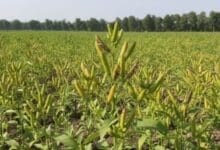

For India, the findings are complex. The country’s pesticide use per hectare is relatively lower than in many developed nations. However, experts say the toxicity of certain chemicals commonly used — including some restricted in other parts of the world — increases the ecological impact. With India being one of the world’s largest producers of rice, fruits, vegetables and cereals, pesticide use remains deeply tied to food security and farmer livelihoods.
Environmental scientists warn that rising pesticide toxicity threatens biodiversity, soil health and long-term agricultural sustainability. The findings also raise questions about whether countries are on track to meet global biodiversity commitments, including reducing pesticide risk by 2030.
For many Indian farmers, pesticides are seen as essential tools to protect crops from pests and climate-related pressures. Experts argue that the solution lies not in abrupt bans, but in scaling up safer alternatives, strengthening regulation, and promoting integrated pest management practices.
As the debate continues, the study highlights a pressing challenge: balancing the need to feed a growing population while protecting the ecosystems that make farming possible in the first place.