Guava: Apple of the Tropics
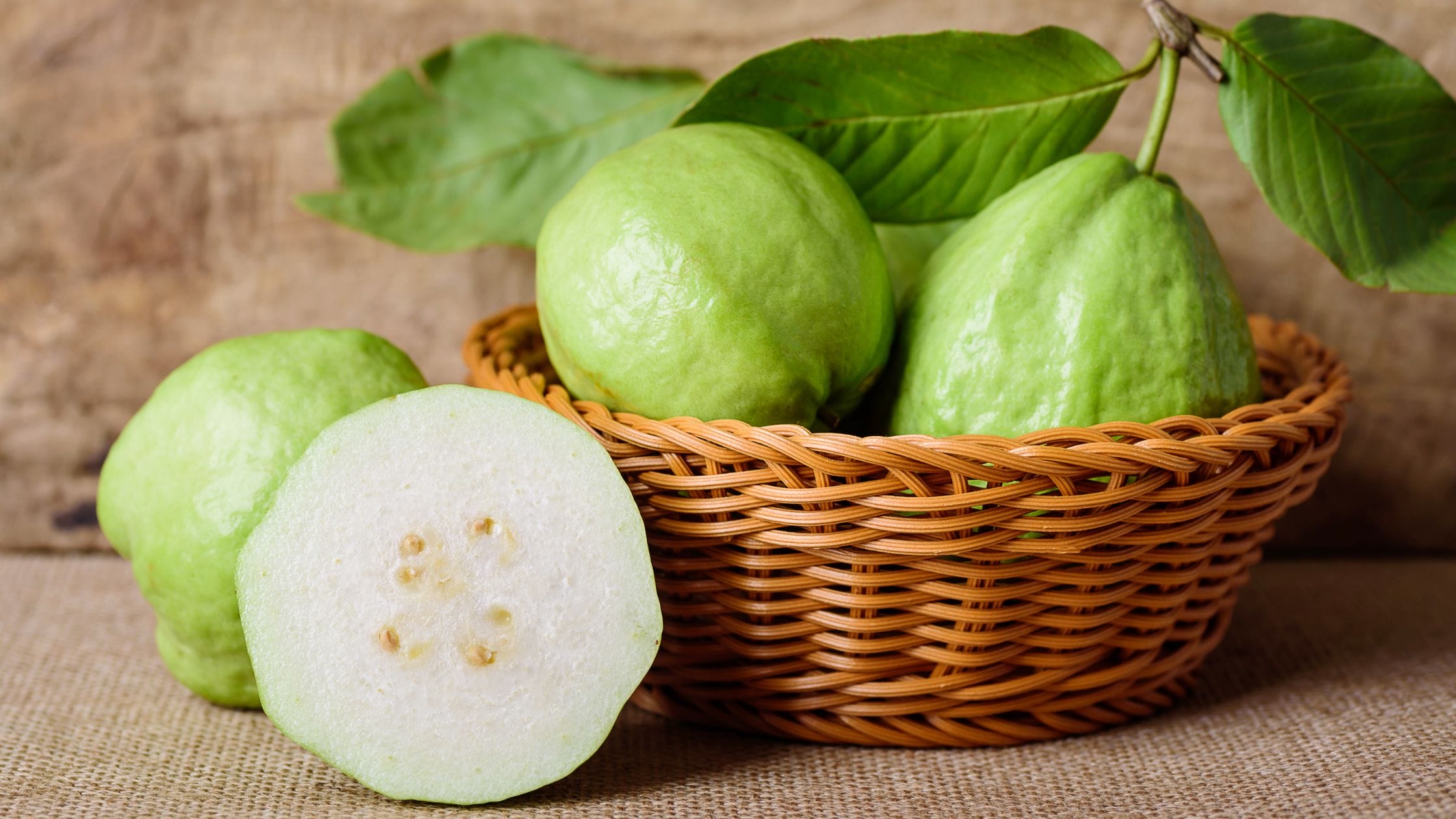
Guava, often called the “apple of the tropics,” is a nutritious fruit loved for its sweet taste, high vitamin C content, and health benefits. Now, we will explore which country is the top in Guava Production?
Widely consumed fresh, as juice, or in jams and jellies, guava has become one of the most cultivated tropical fruits across the globe. But when it comes to production scale, one country clearly stands at the top.
Table of Contents
Global Guava Production Overview
Guava thrives in tropical and subtropical climates, making it a staple fruit in Asia, South America, and parts of Africa.
Countries such as India, China, Thailand, Indonesia, Brazil, and the Philippines are among the leading guava producers. However, the scale of production varies significantly.


According to the Food and Agriculture Organisation (FAO), the global guava production is concentrated mainly in Asia, with India taking a massive lead.
Which Country is the Top in Guava Production: India
India is the undisputed king of guava cultivation, producing nearly 45–50% of the world’s total guava output. With its vast land resources, favourable climate, and widespread cultivation practices, India has maintained this dominance for decades.
Major Guava Producing States in India
- Uttar Pradesh – Known as the “Guava Bowl of India,” particularly Allahabad (Prayagraj), which is renowned for producing the famous Allahabadi Surkha guava.
- Madhya Pradesh – A significant contributor, with varieties cultivated in different districts.
- Bihar – Known for its quality guavas supplied across North India.
- Maharashtra & Andhra Pradesh – Emerging as important guava producers.
India’s success lies in the adaptability of guava to diverse soils and climates, along with rising demand in both domestic and international markets.
Other Leading Guava Producing Countries
While India leads by a huge margin, other countries also contribute significantly to global guava production:
- China – The second-largest producer, with large-scale guava farming across southern regions.
- Thailand – Famous for its large, crunchy guava varieties, often eaten fresh with seasoning.
- Indonesia – A fast-growing producer due to increasing local consumption.
- Brazil – The top producer in South America, where guava is used widely in juices and sweets (goiabada).
- Philippines – Known for both commercial cultivation and backyard guava farming.
Why India Dominates Guava Production
Several factors explain India’s top position in guava cultivation:
- Climatic Advantage: Guava thrives in tropical and subtropical zones, perfectly suited to India’s diverse climate.
- Wide Cultivation Area: Millions of hectares of farmland are dedicated to guava.
- High Domestic Demand: Guava is consumed widely in raw form, juices, and processed products.
- Export Potential: Indian guavas, especially Allahabadi varieties, are exported to the Middle East, Europe, and Asia.
Health and Economic Importance of Guava
Guava is not just delicious but also highly nutritious. Rich in vitamin C, antioxidants, and dietary fibre, it boosts immunity, aids digestion, and supports heart health. Economically, guava cultivation provides livelihood opportunities for farmers, while exports add to foreign exchange earnings.
FAQs on Guava Production
1. Which country produces the most guava in the world?
India is the top producer, contributing about 45–50% of the world’s guava production.
2. Which state is the largest guava producer in India?
Uttar Pradesh, especially the Prayagraj region, is the largest guava-producing state in India.
3. Which country exports the most guava?
Mexico and Thailand are among the leading guava exporters, although India produces the most.
4. Why is India the leading guava producer?
India has favourable climatic conditions, vast cultivation areas, strong domestic demand, and export opportunities that make it the world leader.
5. What are the top uses of guava worldwide?
Guava is eaten fresh, used in juices, jams, jellies, candies, desserts, and traditional medicines due to its rich vitamin C and antioxidant content.
Conclusion
When it comes to guava production, India stands firmly at the top, producing nearly half of the world’s total guava output. Supported by its favourable climate, vast farmlands, and increasing global demand, India continues to dominate the guava industry. While countries like China, Thailand, Brazil, and Indonesia are also major producers, India remains the undisputed global leader in guava cultivation.
Also Read: Top Mango Producing Country in the World: A Deep Dive into the Mango Powerhouse.