Diseases of Sugarcane
Sugarcane is one of the most important commercial crops in tropical and subtropical regions. It plays a vital role in the production of sugar, jaggery, ethanol, and bio-products. However, sugarcane cultivation faces several challenges, and plant diseases are among the major factors responsible for yield and quality losses.
Diseases in sugarcane can be caused by fungi, bacteria, viruses, nematodes, and phytoplasma, leading to poor growth, reduced sugar recovery, and economic losses for farmers. Understanding these diseases, their symptoms, and management practices is essential for successful sugarcane farming.
Table of Contents
1. Red Rot Disease
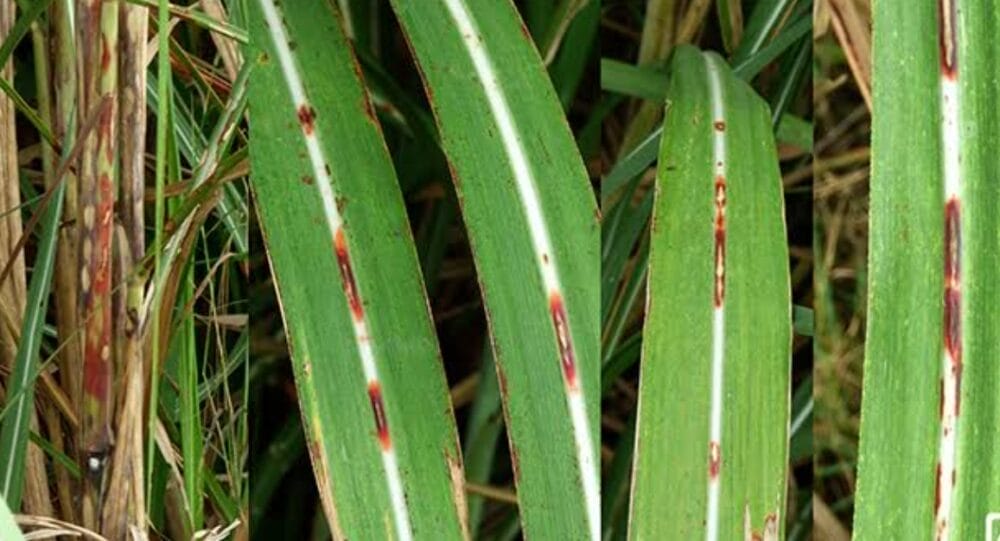
Red rot is one of the most destructive diseases of sugarcane and is caused by the fungus Colletotrichum falcatum. It mainly affects the stalks and can severely reduce yield.
Symptoms:




- Red discoloration of the internal tissues with white patches
- Drying of top leaves
- Sour smell from affected canes
- Reduced juice quality
Management:
- Use disease-resistant varieties
- Select healthy seed canes
- Practice crop rotation
- Remove and destroy infected plants
2. Smut Disease
Smut disease is caused by the fungus Sporisorium scitamineum and is common in many sugarcane-growing areas.
Symptoms:
- Long, black whip-like structure emerging from the growing point
- Thin, grassy shoots
- Stunted growth and poor cane formation
Management:
- Plant smut-resistant varieties
- Treat seed canes with hot water or fungicides
- Remove infected clumps early
3. Wilt Disease
Wilt disease is caused by fungal pathogens such as Fusarium species. It affects the vascular system of the plant.
Symptoms:
- Yellowing and drying of leaves
- Shrinkage of stalks
- Discoloration of internal tissues
- Reduced juice content
Management:
- Ensure proper drainage
- Avoid waterlogging
- Use healthy planting material
- Apply balanced fertilizers
Also Read:Vermicompost Business Plan: A Profitable Organic Farming Opportunity
4. Grassy Shoot Disease
Grassy shoot disease is caused by phytoplasma and transmitted by leafhopper insects.
Symptoms:
- Profuse tillering giving a grassy appearance
- Narrow, pale leaves
- Absence of cane formation
- Severe yield loss
Management:
- Use disease-free seed material
- Control insect vectors
- Remove and destroy infected plants
- Follow recommended spacing
5. Mosaic Disease
Mosaic disease is a viral disease that spreads through infected seed material and aphids.
Symptoms:
- Light and dark green mosaic patterns on leaves
- Reduced plant growth
- Lower sugar content
- Thin stalks
Management:
- Use virus-free planting material
- Grow resistant varieties
- Control aphid population
- Maintain field sanitation
Also Read: Diseases of Banana: Causes, Symptoms, and Effective Management
6. Leaf Scald Disease
Leaf scald is caused by the bacterium Xanthomonas albilineans and is more common during hot and humid conditions.
Symptoms:
- White streaks on leaves
- Leaf drying from tips
- Sudden wilting of plants
- Poor cane development
Management:
- Use healthy seed canes
- Avoid mechanical injury
- Practice crop rotation
- Remove infected plants
7. Pokkah Boeng Disease
This disease is caused by Fusarium species and commonly affects young plants.
Symptoms:
- Twisted and malformed leaves
- Reddish lesions on leaf base
- Top rot in severe cases
- Reduced cane yield
Management:
- Apply balanced nutrients
- Avoid excess nitrogen
- Improve field drainage
- Use tolerant varieties
8. Root Rot and Sett Rot
These diseases are caused by soil-borne fungi and affect germination and early plant growth.
Symptoms:
- Poor germination
- Rotting of setts
- Weak root system
- Yellowing of leaves
Management:
- Treat setts before planting
- Avoid water stagnation
- Use well-drained soil
- Apply organic matter
General Disease Management Practices
- Always use certified, disease-free seed material
- Practice crop rotation with legumes
- Maintain proper field sanitation
- Ensure balanced use of fertilizers
- Monitor crops regularly for early detection
- Follow integrated pest and disease management (IPDM)
Also Read: Basics of Composting at Home: A Complete Beginner’s Guide
Conclusion
Diseases of sugarcane pose a serious threat to productivity and profitability. Early identification of symptoms and timely management can significantly reduce crop losses. By adopting resistant varieties, maintaining field hygiene, and following recommended agronomic practices, farmers can effectively manage sugarcane diseases and ensure sustainable production.
Frequently Asked Questions (FAQ)
Q1. Which is the most dangerous disease of sugarcane?
Red rot is considered the most destructive disease as it directly affects cane quality and yield.
Q2. How do sugarcane diseases spread?
Diseases spread through infected seed canes, soil, water, insects, and farm tools.
Q3. Can sugarcane diseases be controlled organically?
Yes, practices like crop rotation, use of organic manure, bio-agents, and resistant varieties help in organic disease control.
Q4. What is the best preventive measure for sugarcane diseases?
Using disease-free planting material and resistant varieties is the best preventive step.
Q5. How does grassy shoot disease affect yield?
It prevents proper cane formation, leading to almost complete yield loss in severe cases.
Q6. Is chemical control necessary for sugarcane diseases?
Chemical control is useful in severe cases, but integrated management is more sustainable.
Q7. How often should farmers monitor sugarcane fields for diseases?
Fields should be monitored at least once every 7–10 days for early detection.