Diseases of Marigold
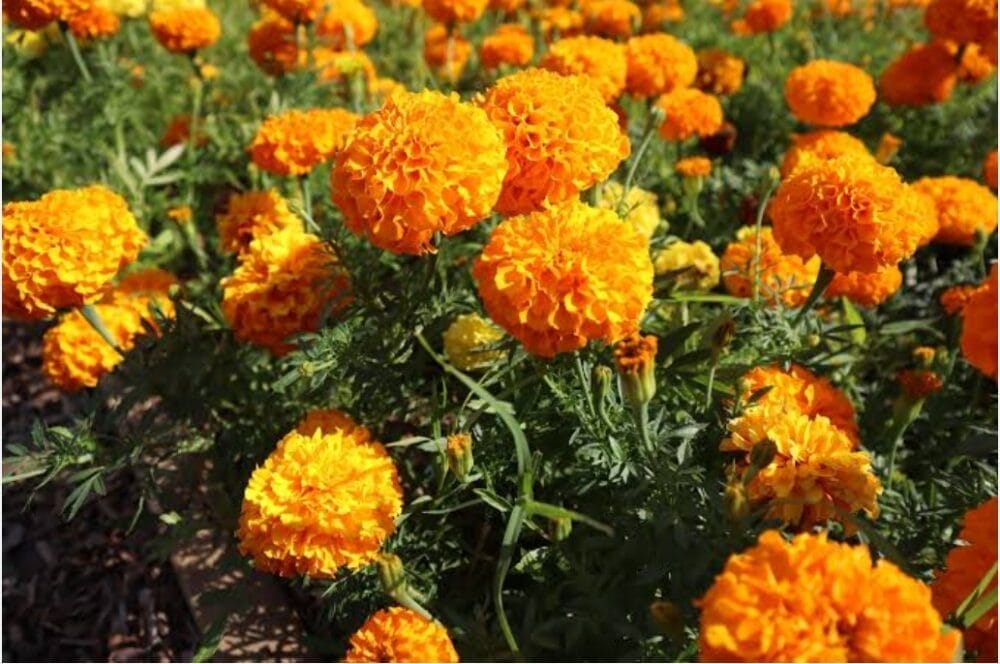
Marigold (Tagetes spp.) is one of the most popular ornamental flowering plants grown in home gardens, landscapes, and commercial flower farms. It is valued for its bright yellow and orange blooms, long flowering period, and pest-repelling properties.
Despite being relatively hardy, marigold plants are susceptible to several diseases caused by fungi, bacteria, viruses, and unfavorable environmental conditions. These diseases can significantly affect plant growth, flower quality, and yield if not managed properly.
Understanding the common diseases of marigold, their symptoms, and effective control measures is essential for maintaining healthy plants.
Table of Contents
1. Damping-Off Disease
Cause: Pythium, Rhizoctonia, and Phytophthora fungi


Symptoms:
Damping-off mainly affects seedlings. Seeds may rot before germination, or young seedlings collapse suddenly. The stem near the soil line becomes soft, watery, and constricted, leading to plant death.
Management:
- Use well-drained, sterilized soil or potting mix
- Avoid overwatering
- Ensure proper spacing for air circulation
- Treat seeds with fungicides before sowing
2. Powdery Mildew
Cause: Erysiphe species (fungus)
Symptoms:
White or gray powdery patches appear on leaves, stems, and buds. In severe cases, leaves turn yellow, dry out, and fall prematurely. Flowering is reduced.
Management:
- Remove infected plant parts
- Improve air circulation
- Avoid overhead irrigation
- Spray sulfur-based or neem oil fungicides
3. Leaf Spot Disease
Cause: Alternaria, Cercospora, or Septoria fungi
Symptoms:
Small brown, black, or gray spots appear on leaves. These spots may enlarge and merge, causing leaf blight and premature defoliation.
Management:
- Remove and destroy infected leaves
- Avoid wetting foliage during watering
- Apply fungicides such as mancozeb or copper-based sprays
- Practice crop rotation
Also Read: Major Diseases of Coconut Tree: Causes, Symptoms, and Management
4. Root Rot
Cause: Fusarium and Phytophthora species
Symptoms:
Plants show yellowing, wilting, and stunted growth. Roots become dark, soft, and decayed. Infected plants may die suddenly.
Management:
- Ensure proper soil drainage
- Avoid waterlogged conditions
- Use disease-free planting material
- Treat soil with bio-fungicides like Trichoderma
5. Fusarium Wilt
Cause: Fusarium oxysporum
Symptoms:
Leaves turn yellow starting from the lower parts, followed by wilting even when sufficient water is present. Vascular tissues show brown discoloration when the stem is cut open.
Management:
- Use resistant varieties
- Solarize soil before planting
- Remove and destroy infected plants
- Apply biological control agents
6. Botrytis Blight (Gray Mold)
Cause: Botrytis cinerea
Symptoms:
Grayish mold appears on flowers, buds, and leaves, especially in cool and humid conditions. Infected flowers rot and drop early.
Management:
- Maintain proper spacing
- Avoid excessive nitrogen fertilizer
- Remove infected plant debris
- Apply appropriate fungicides
Also Read: Can coconut really fight disease?
7. Viral Diseases (Mosaic and Leaf Curl)
Cause: Various plant viruses transmitted by aphids and whiteflies
Symptoms:
Mosaic patterns, leaf curling, stunted growth, and reduced flowering. Flowers may become deformed.
Management:
- Control insect vectors
- Remove infected plants immediately
- Use healthy seedlings
- Maintain garden hygiene
8. Bacterial Leaf Spot
Cause: Xanthomonas species
Symptoms:
Water-soaked spots on leaves that later turn brown or black. Severe infection causes leaf drop and weak plants.
Management:
- Avoid overhead watering
- Use copper-based bactericides
- Remove infected plant parts
- Practice crop rotation
Preventive Measures for Marigold Diseases
- Select disease-resistant varieties
- Use well-drained, fertile soil
- Avoid overcrowding
- Maintain proper watering schedules
- Remove weeds and plant debris
- Regularly inspect plants for early symptoms
Good cultural practices combined with timely control measures can greatly reduce disease incidence and ensure healthy marigold plants.
Frequently Asked Questions (FAQ)
Q1. What is the most common disease of marigold?
Damping-off and leaf spot diseases are among the most common problems, especially during the seedling stage and rainy season.
Q2. Why are my marigold leaves turning yellow?
Yellowing may be caused by fungal diseases like Fusarium wilt, root rot, or nutrient deficiency and poor drainage.
Q3. How can I prevent fungal diseases in marigold?
Use well-drained soil, avoid overwatering, ensure good air circulation, and apply preventive fungicides when needed.
Q4. Can marigold recover from wilt disease?
Severely infected plants usually do not recover. Early detection and removal of infected plants can prevent spread.
Q5. Are marigold diseases harmful to nearby plants?
Yes, fungal and viral diseases can spread to nearby susceptible plants through soil, water, or insect vectors.
Q6. Is neem oil effective for marigold diseases?
Neem oil helps control mild fungal infections and insect vectors but may not cure severe diseases.
Q7. How often should fungicides be applied?
Fungicides are generally applied every 7–14 days depending on disease severity and weather conditions.
Conclusion:
Marigold plants are easy to grow but require proper care to stay disease-free. Early identification of diseases, combined with good cultural practices and timely treatment, ensures healthy growth and vibrant blooms throughout the season.
Also Read:Horticulture:: Flower Crops :: Marigold