Best Types of Lettuce
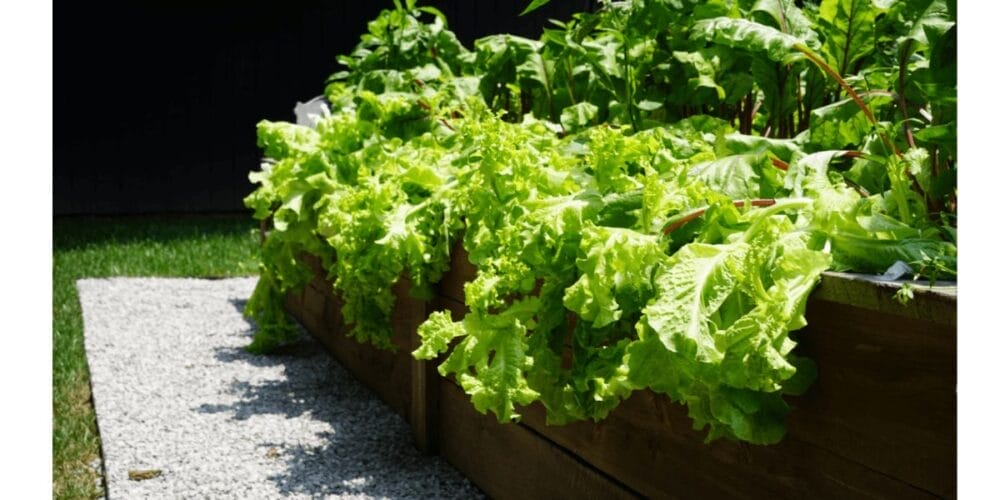
Lettuce is one of the easiest and most rewarding vegetables to grow at home. Whether you have a backyard garden, raised bed, balcony, or containers, lettuce adapts beautifully to small spaces and grows quickly. With so many varieties available—each offering unique flavors, textures, and colors—choosing the best type of lettuce can feel overwhelming.
In this guide, we’ll explore the best types of lettuce to grow in your garden, their characteristics, growing benefits, and how to choose the right variety for your climate and needs.
Table of Contents
Why Grow Lettuce at Home?
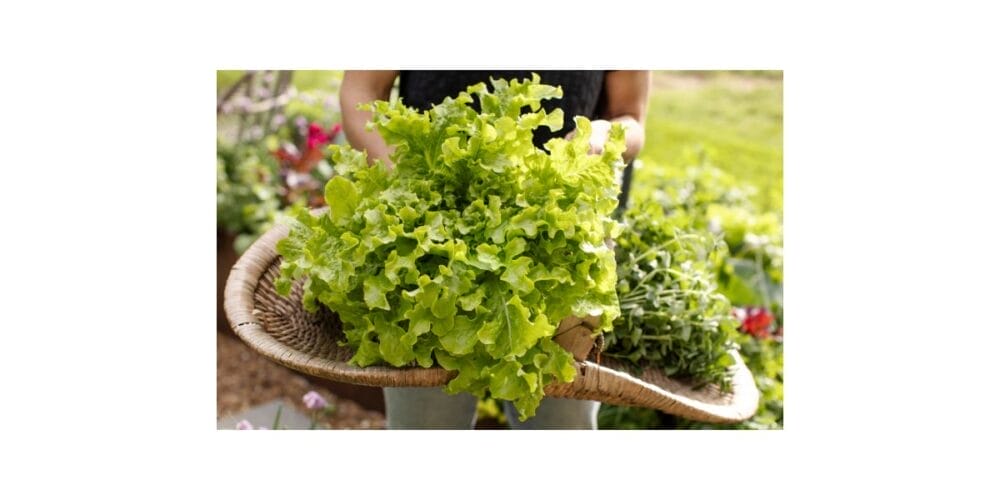
Before diving into the varieties, it’s worth understanding why lettuce is such a popular garden crop:
- Fast-growing: Many lettuce types mature in 30–50 days
- Cool-season crop: Ideal for spring, fall, and mild winters
- Beginner-friendly: Requires minimal care
- Cut-and-come-again harvest: Harvest leaves multiple times
- Fresh and chemical-free: Healthier than store-bought lettuce
Now, let’s look at the best lettuce varieties you can grow at home.



1. Loose Leaf Lettuce
Loose leaf lettuce is one of the most popular and easiest types for home gardens.
Characteristics
- Leaves grow loosely from the base
- No head formation
- Quick harvest (30–45 days)
Popular Varieties
- Green Leaf Lettuce
- Red Leaf Lettuce
- Oak Leaf Lettuce
- Lollo Rosso
Why Grow Loose Leaf Lettuce?
- Perfect for beginners
- Ideal for container gardening
- Allows continuous harvesting
- Tolerates mild heat better than head lettuce
Best For: Salads, sandwiches, and wraps
Also Read: The Best Varieties of Peppers to Grow at Home
2. Romaine (Cos) Lettuce
Romaine lettuce is well-known for its upright growth and crunchy texture.
Characteristics
- Tall, elongated leaves
- Strong central rib
- Crisp texture and bold flavor
Popular Varieties
- Parris Island Cos
- Little Gem
- Green Towers
Why Grow Romaine Lettuce?
- More heat-tolerant than butterhead
- Excellent disease resistance
- High nutritional value (rich in vitamins A and K)
Best For: Caesar salads and grilled lettuce recipes
3. Butterhead Lettuce (Bibb or Boston)
Butterhead lettuce is prized for its soft texture and sweet flavor.
Characteristics
- Loose, round heads
- Tender, buttery leaves
- Mild and slightly sweet taste
Popular Varieties
- Bibb Lettuce
- Boston Lettuce
- Buttercrunch
Why Grow Butterhead Lettuce?
- Grows well in containers
- Perfect for cool climates
- Gourmet-quality leaves
Best For: Fresh salads, lettuce wraps, and burgers
4. Iceberg (Crisphead) Lettuce
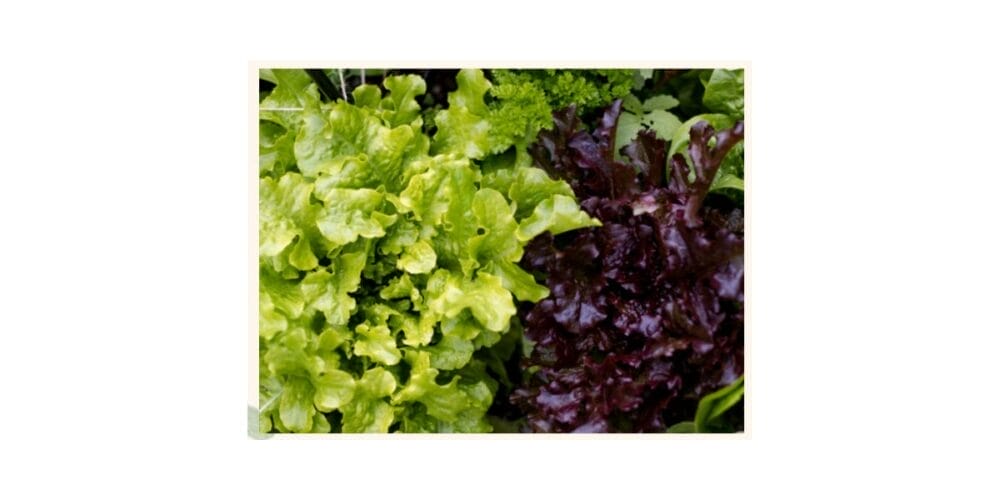
Iceberg lettuce is commonly found in grocery stores, but it can be grown at home with proper care.
Characteristics
- Tight, round heads
- Crunchy, pale green leaves
- Mild flavor
Popular Varieties
- Great Lakes
- Crispino
Why Grow Iceberg Lettuce?
- Excellent crunch and shelf life
- Ideal for cool climates
- Popular for classic salads and sandwiches
Note: Requires more space and cooler temperatures than other types.
5. Batavian (Summer Crisp) Lettuce
Batavian lettuce combines the best features of loose leaf and iceberg lettuce.
Characteristics
- Semi-crisp leaves
- Slight head formation
- Excellent heat tolerance
Popular Varieties
- Nevada
- Magenta
- Sierra
Why Grow Batavian Lettuce?
- Performs well in warm conditions
- Slow to bolt
- Crisp texture with good flavor
Best For: Summer gardens and warm climates
6. Mesclun Mix (Baby Lettuce Greens)
Mesclun isn’t a single lettuce type but a mix of young lettuce and leafy greens.
Characteristics
- Harvested at baby stage
- Quick-growing
- Diverse flavors and colors
Common Mix Components
- Arugula
- Red leaf lettuce
- Spinach
- Mizuna
Why Grow Mesclun?
- Ready to harvest in 20–30 days
- Perfect for small gardens
- Visually appealing and nutritious
Best For: Fresh, gourmet salads
Also Read: The Best Types of Basil to Grow in an Herb Garden
7. Red and Specialty Lettuce Varieties
Adding red and specialty lettuce varieties enhances both taste and garden aesthetics.
Popular Types
- Red Romaine
- Red Butterhead
- Speckled Lettuce (Forellenschluss)
Benefits
- High in antioxidants
- Adds color contrast to salads
- Unique flavors and textures
Tips for Growing Lettuce Successfully
To get the best results from your lettuce garden, keep these tips in mind:
- Soil: Use well-drained, nutrient-rich soil
- Sunlight: 4–6 hours of sunlight daily
- Watering: Keep soil consistently moist
- Spacing: Avoid overcrowding
- Temperature: Ideal range is 10–20°C
Mulching and regular harvesting help prevent bolting and bitterness.
Best Lettuce Types for Indian Home Gardens
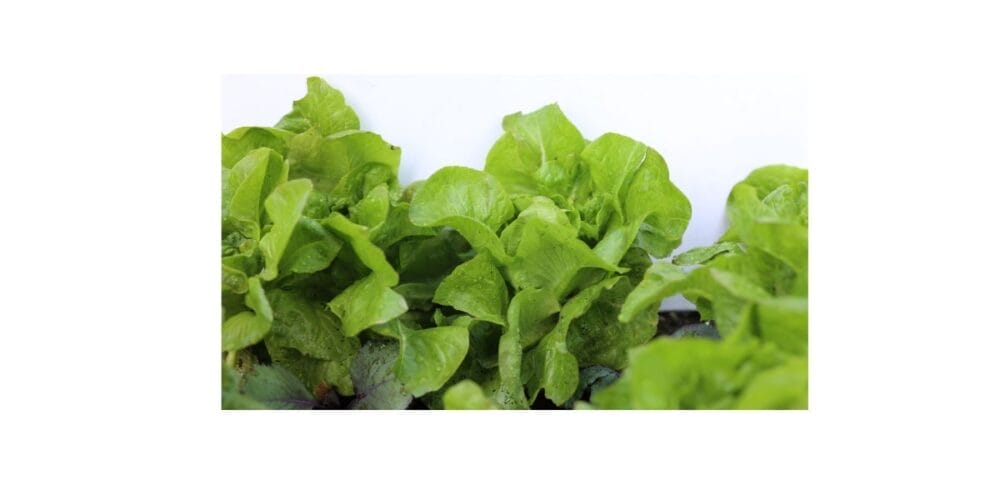
For Indian conditions, especially in mild winters and cooler regions, the best lettuce varieties include:
- Loose leaf lettuce
- Romaine lettuce
- Butterhead lettuce
- Batavian lettuce
These types adapt well to containers, balconies, and terrace gardens.
Also Read: Top 10 Health Benefits of Papaya
Final Thoughts
Growing lettuce in your garden is a simple and satisfying way to enjoy fresh, healthy greens year-round. From fast-growing loose leaf varieties to crunchy romaine and buttery butterhead types, there’s a lettuce for every gardener and climate. By choosing the right varieties and following basic care practices, you can harvest crisp, flavorful lettuce straight from your garden to your plate.
Whether you’re a beginner or an experienced gardener, adding lettuce to your garden is always a smart and delicious choice.
Also Read: About Best Types of Lettuce to Grow in Your Garden on gardenary.com Site