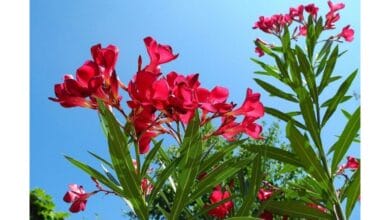
Understanding Aries Plantomycin for Agriculture
In modern agriculture, bacterial and fungal diseases pose a significant threat to crop health and yield. Utilising Aries Plantomycin can effectively combat these challenges.
Aries Plantomycin is a widely used agricultural antibiotic that effectively combats bacterial infections and certain fungal diseases. Plantomycin is essential for farmers looking to protect their crops.
Aries Plantomycin is a trusted choice among farmers due to its proven effectiveness in managing crop diseases.
This blog provides an in-depth review of Plantomycin, covering its technical composition, benefits, recommended dosage, suitable alternatives, and common FAQs to help farmers make informed decisions.
What is Aries Plantomycin?
It is a broad-spectrum bactericide and fungicide formulated by Aries Agro. It is primarily used for controlling bacterial blight, leaf spot, fire blight, and soft rot in crops.
- Active Ingredient: Streptomycin Sulfate (9%) + Tetracycline Hydrochloride (1%)
- Mode of Action:
Streptomycin is an aminoglycoside antibiotic that inhibits protein synthesis in bacteria by binding to the 30S ribosomal subunit.
Tetracycline prevents bacterial growth by inhibiting the attachment of tRNA to the ribosome during protein synthesis.
- Formulation: Water-soluble powder (WSP)
- Application Method: Foliar spray and drench application.
Key Benefits of Plantomycin
Plantomycin is highly effective in protecting and treating various bacterial and fungal diseases. Here are the key benefits:
Farmers can leverage the benefits of Plantomycin to ensure their crops thrive.
It stands out due to its effectiveness in addressing bacterial issues in various crops.
1. Effective Bacterial Control
- Targets a broad range of bacterial pathogens, including:
Using it not only helps in disease control but also enhances overall crop performance.
Xanthomonas spp. (causes bacterial leaf blight in rice)
Pseudomonas spp. (causes bacterial canker in citrus)
Erwinia spp. (causes fire blight in apples and pears)
Using it, farmers can confidently manage the risk of crop diseases.
2. Fungal Disease Management
- Though primarily designed for bacterial control, it also provides secondary protection against certain fungal diseases, including soft rot and leaf spots.
3. Enhanced Crop Yield & Quality
- By controlling bacterial diseases, Plantomycin reduces crop damage, improving both yield quality and quantity.
4. Safe for Most Crops
The application of Aries Agro Plantomycin contributes to long-term agricultural success.
- Suitable for use in a wide range of crops, including:
- Vegetables: Tomato, potato, onion
- Fruits: Apple, pear, citrus
- Field crops: Rice, cotton, wheat
- Vegetables: Tomato, potato, onion
5. Easy Application
- The water-soluble powder formulation ensures easy mixing and uniform spraying, making it convenient for farmers.
Dosage and Application Guidelines
Proper application of Plantomycin ensures maximum effectiveness and minimises the risk of resistance development.
1. Dosage Recommendations:
- For Vegetables (Tomato, Potato, Onion):
- Dosage: 2–3 g per litre of water
- Frequency: Spray every 10–15 days during the disease-prone period.
- Dosage: 2–3 g per litre of water
- For Fruits (Apple, Pear, Citrus):
- Dosage: 2 gm per litre of water
- Frequency: Repeat after 12–15 days if necessary.
- Dosage: 2 gm per litre of water
- For Field Crops (Rice, Cotton, Wheat):
- Dosage: 1.5–2 gm per litre of water
- Frequency: Apply at 15-day intervals during the disease-prone phase.
- Dosage: 1.5–2 gm per litre of water
2. Application Method:
- Foliar Spray: Use a knapsack or power sprayer for even coverage.
- Drench Application: Apply around the root zone for soil-borne bacterial diseases.
Following guidelines for its application ensures optimal results.
Alternatives to Plantomycin
While it is highly effective, some farmers may prefer alternative bactericides and fungicides based on crop type or concerns about resistance.
1. Blitox (Copper Oxychloride)
- A broad-spectrum fungicide with bactericidal properties.
- Effective against bacterial leaf spot and fungal diseases.
- Dosage: 2–3 g per litre of water.
2. Kasumin (Kasugamycin)
- An antibiotic fungicide is effective against bacterial leaf blight.
- Dosage: 2 g per litre of water.
To maximise the benefits, proper dosage and application methods are crucial.
Farmers should consult the guidelines on it application to ensure effective results.
3. Agrimycin-100
- Contains streptomycin sulfate, similar to Plantomycin.
- Used to treat bacterial wilt and blight.
- Dosage: 1–2 gm per litre of water.
4. Copper Sulfate + Lime (Bordeaux Mixture)
- Traditional bactericide and fungicide mixture.
- Effective against blight, rot, and bacterial spots.
- Dosage: 2–4 gm per litre of water.
FAQs on Aries Agro’s Plantomycin
1. Can Plantomycin be used on all crops?
It is safe for most vegetables, fruits, and field crops. However, it is advisable to conduct a small-scale patch test before applying it on a large scale.
2. How frequently should it be applied?
For effective disease control:
- Preventive use: Every 12–15 days.
- Curative use: Every 7–10 days until the infection is under control.
3. Is Plantomycin safe for organic farming?
No, it is a synthetic antibiotic and cannot be used in certified organic farming.
4. Can it develop resistance?
Yes, overuse can lead to bacterial resistance.
Read Related Blog: Aries Mobomin Plant Nutrients Review
-
CARVINT Insecticide by PI Industries: Composition, Benefits, Crops, Dose and Uses
CARVINT Insecticide PI Industries has launched CARVINT, a new-generation insecticide developed to manage difficult insect pests such as thrips and diamondback moth in high-value vegetable crops. The product contains Flometoquin 10% SC, a comparatively new insecticidal chemistry with a different mode of action from many commonly used insecticides. CARVINT is particularly relevant where farmers are…
-
Plethora Insecticide Review: Composition, Uses, Benefits, Crop-wise Dose and FAQs
Plethora Insecticide Review Caterpillars and borers can cause serious crop losses by feeding on leaves, flowers, pods and fruits. Once larvae enter fruits or pods, controlling them becomes more difficult. Plethora Insecticide from ADAMA offers a dual mode of action for managing several economically important lepidopteran pests. Plethora combines an insect-growth regulator with a nerve-action…
-
World’s Largest Coconut Producers: Top Countries, Production Data, Government Support and Export Potential
Introduction Coconut is one of the world’s most versatile agricultural commodities. Its water, kernel, milk, oil, shell, husk and leaves can be converted into food, beverages, cosmetics, fibre, fuel, animal feed, handicrafts and industrial products. In this article, we are knowing about the World’s Largest Coconut Producers. Global coconut production is concentrated in tropical Asia.…
-

-

-
-
-
-

-
-
-
-
-
-
-
-

-

-
-
-

-

-

-
-
-

-
-

-
-
-
-
-
-
-
-
-

-
-
-
-

-
-
-

-

-
-

-
-

-
-
-
-