How to Grow Jicama
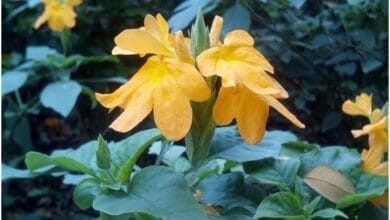
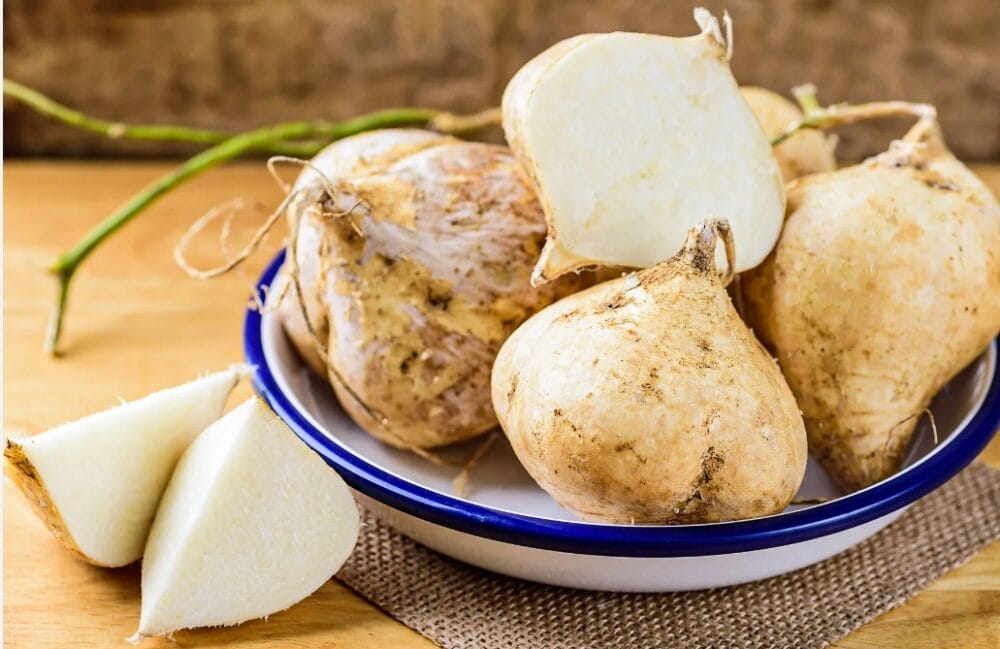
Jicama (Pachyrhizus erosus), often called the Mexican turnip or yam bean, is a tropical root vegetable loved for its crisp texture, mild sweetness, and refreshing taste. While jicama is commonly used in salads and snacks, many gardeners don’t realize it can also be grown successfully with the right care.
Jicama cultivation is rewarding, especially in warm climates, and offers a unique addition to your vegetable garden. This guide walks you through everything you need to know—from climate and soil preparation to harvesting and storage.
Table of Contents
Climate and Soil Requirements
Jicama thrives in warm, frost-free conditions. It prefers a long growing season of 5–7 months with temperatures between 20–30°C. The plant is sensitive to cold, so it should be grown during summer or in regions with a mild winter.
For best results, choose well-drained, loose, and sandy loam soil. Heavy clay soil restricts root development and leads to misshapen tubers. A soil pH of 6.0–7.5 is ideal. Before planting, enrich the soil with well-rotted compost or farmyard manure to improve fertility and drainage.



Variety Selection
Two common types of jicama are grown worldwide:
- Mexican type – Large roots, longer growing period
- Central American type – Smaller roots, quicker maturity
Choose varieties suited to your local climate and growing season. Seeds are usually available through specialized seed suppliers.
Also Read: Top 10 Benefits of Organic NPK Fertilizers for healthy plants
Land Preparation
Prepare the field or garden bed by plowing or digging the soil to a depth of 20–25 cm. Remove stones, weeds, and debris. Mix organic manure thoroughly into the soil. Raised beds are recommended, especially in areas with poor drainage, as they promote healthy tuber formation.
Sowing and Planting
Jicama is grown from seeds. Sow seeds directly into the field once the soil has warmed.
- Spacing: 60–90 cm between rows and 30–45 cm between plants
- Depth: 2–3 cm deep
- Seed rate: Approximately 8–10 kg per hectare
Seeds usually germinate within 7–10 days. Since jicama is a climbing plant, providing support such as trellises or stakes helps manage vine growth and improves air circulation.
Water Management
Jicama needs moderate but regular watering, especially during early growth and tuber development. Avoid waterlogging, as excess moisture causes root rot and fungal diseases. Reduce watering as the plant approaches maturity to encourage proper tuber formation.
Nutrient Management
Apply a balanced fertilizer rich in phosphorus and potassium, as these nutrients support strong root growth. Excess nitrogen should be avoided because it promotes vine growth at the expense of tuber development.
A general recommendation includes:
- Basal dose of organic manure
- Light application of NPK fertilizer during early growth
- Side dressing at 45–60 days after sowing
Also Read: Zucchini Vegetable Cultivation: A Complete Growing Guide
Weed Control and Intercultural Practices
Weeds compete for nutrients and space, especially during the early stages. Perform 2–3 hand weedings or shallow hoeing during the first two months. Mulching with straw or dry leaves helps suppress weeds, conserve moisture, and maintain soil temperature.
Pruning flowers is an important practice in jicama cultivation. Since the seeds and pods are toxic, and flowering reduces tuber size, removing flowers helps direct energy toward root development.
Pest and Disease Management
Common pests include aphids, caterpillars, and leaf miners. Neem-based sprays or organic insecticides work well for control. Fungal diseases like root rot and leaf spots can occur in poorly drained soil. Proper spacing, crop rotation, and good drainage help prevent most diseases.
Harvesting
Jicama is ready for harvest 120–180 days after sowing, depending on the variety. Harvest when the tubers are medium to large in size (10–20 cm diameter). Over-mature roots may become fibrous and less sweet.
Loosen the soil carefully and lift the tubers without damaging them. Avoid bruising, as it reduces shelf life.
Yield and Storage
Average yield ranges from 15–25 tons per hectare under good management. After harvesting, clean the tubers and allow them to dry in shade. Jicama can be stored for several weeks in a cool, dry place.
Frequently Asked Questions (FAQ)
Q1. Can jicama be grown in home gardens?
Yes, jicama grows well in home gardens if there is enough space, warm weather, and proper soil drainage.
Q2. How long does jicama take to grow?
Jicama takes about 4–6 months from sowing to harvest, depending on the variety and climate.
Q3. Does jicama need full sunlight?
Yes, jicama requires full sunlight for healthy vine growth and tuber development.
Q4. Are jicama seeds edible?
No, jicama seeds and pods are toxic and should never be consumed. Only the tuber is edible.
Q5. Why should jicama flowers be removed?
Removing flowers helps increase tuber size and prevents energy loss in seed formation.
Q6. Can jicama be grown in pots?
It is possible but not ideal. Jicama needs deep soil and space for tuber expansion, so large containers are required.
Q7. What is the best season for jicama cultivation?
Jicama is best grown in summer to early monsoon in warm regions.
Also Read: 8 Health and Nutrition Benefits of Jicama