How to Take Care of Spring Onion: A Complete Growing & Maintenance Guide for Healthy Harvests

Take Care of Spring Onion
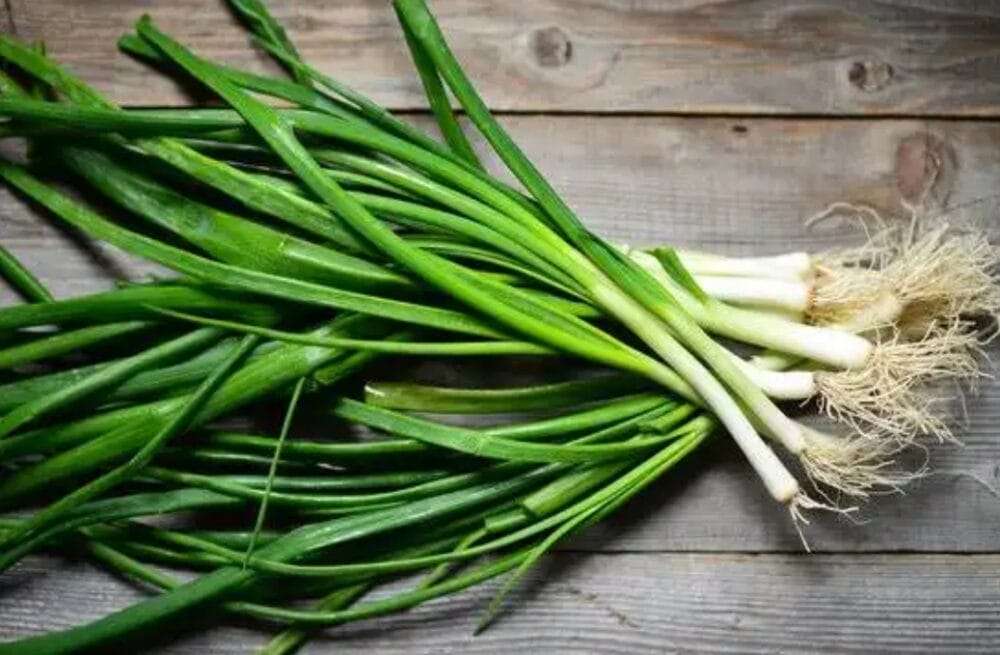
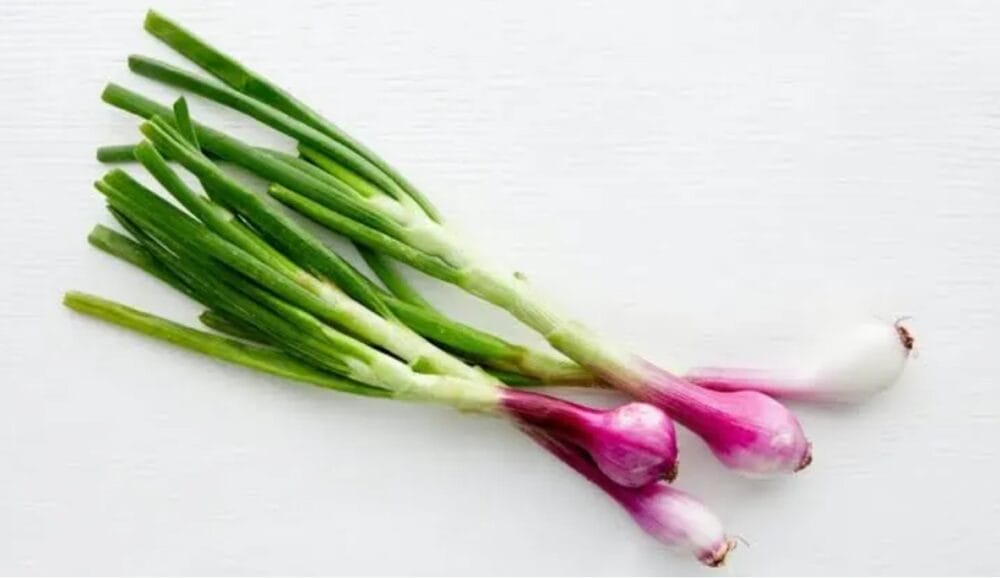
Spring onion (also called green onion or scallion) is one of the easiest and fastest-growing vegetables you can grow at home. Whether you plant it in your kitchen garden, terrace, or even a small pot on your balcony, spring onion care is simple and highly rewarding.
With the right soil, sunlight, and watering routine, you can enjoy fresh, flavorful stalks year-round. In this blog, you’ll learn how to take care of spring onion step by step, from planting to harvesting, along with expert tips and FAQs.
Table of Contents
Understanding Spring Onion Growth
Spring onions are harvested before the bulb fully develops, which makes them quicker to grow than regular onions. They grow well in cool to moderate climates and can be cultivated from seeds or onion sets. Proper care ensures tender green stalks and a mild, fresh flavor.
Sunlight Requirements
Spring onions thrive in full sun to partial shade.




- They need 4–6 hours of direct sunlight daily
- In hot regions, partial shade during afternoon hours helps prevent leaf scorching
- For indoor growing, place pots near a bright window or balcony
Adequate sunlight encourages healthy leaf growth and vibrant green color.
Also Read:Zucchini Vegetable Cultivation: A Complete Growing Guide
Soil Preparation for Spring Onion
Well-draining, nutrient-rich soil is key for spring onion care.
- Use loamy or sandy-loam soil
- Soil pH should be between 6.0 and 7.0
- Mix compost or well-rotted cow dung before planting
- Avoid compacted soil, as it restricts root growth
For pots, use a lightweight potting mix with good drainage holes.
Watering Schedule
Proper watering keeps spring onions tender and juicy.
- Water 2–3 times a week, depending on weather
- Keep soil consistently moist but not waterlogged
- Overwatering can cause root rot and fungal diseases
- Reduce watering during rainy seasons
A mulch layer helps retain moisture and controls weeds.
Fertilizer and Nutrient Care
Spring onions are light feeders but benefit from regular nutrition.
- Apply organic compost every 2–3 weeks
- Liquid fertilizers like vermicompost tea boost leaf growth
- Avoid excessive nitrogen, which may cause weak, floppy leaves
Balanced feeding ensures steady and healthy growth.
Also Read: Disease in Tomato Plants: Causes, Symptoms, Prevention & Control
Thinning and Spacing
Proper spacing improves airflow and prevents disease.
- Space plants 5–8 cm apart
- Thin crowded seedlings early
- Good spacing helps develop straight, thick stalks
Never let plants overcrowd, especially in containers.
Pest and Disease Control
Spring onions are relatively pest-resistant, but some issues may occur.
Common pests:
- Aphids
- Thrips
Prevention tips:
- Spray neem oil every 10–15 days
- Remove affected leaves immediately
- Ensure good air circulation
Common diseases:
- Downy mildew
- Leaf blight
Avoid overhead watering to reduce fungal problems.
Pruning and Maintenance
Regular trimming keeps plants productive.
- Remove yellow or damaged leaves
- Trim tips slightly to encourage fresh growth
- Keep the area weed-free
Healthy maintenance leads to continuous harvests.
Growing Spring Onion in Containers
Spring onions are perfect for pot gardening.
- Choose a pot 6–8 inches deep
- Ensure proper drainage
- Place pots in a sunny location
- Water frequently, as pots dry out faster
You can even regrow spring onions from kitchen scraps by placing the roots in water and later transferring them to soil.
Harvesting Spring Onion
Spring onions are ready to harvest in 25–40 days.
- Pull out whole plants or cut leaves above the base
- Harvest when stalks are 6–8 inches tall
- Regular harvesting encourages new growth
Always harvest gently to avoid damaging nearby plants.
Storage Tips
- Use fresh for best flavor
- Store in the refrigerator wrapped in a damp cloth
- Can last up to 7–10 days
Frequently Asked Questions (FAQ)
Q1. How often should I water spring onion plants?
Water 2–3 times a week, keeping soil moist but not soggy.
Q2. Can spring onions grow indoors?
Yes, they grow well indoors with adequate sunlight or grow lights.
Q3. How long do spring onions take to grow?
They are ready for harvest within 25–40 days after planting.
Q4. Why are my spring onion leaves turning yellow?
Yellowing can be due to overwatering, poor soil drainage, or nutrient deficiency.
Q5. Can I regrow spring onions from leftovers?
Yes, placing the root base in water and later soil allows regrowth.
Q6. What is the best fertilizer for spring onions?
Organic compost, vermicompost, or diluted liquid fertilizer works best.
Q7. Do spring onions need full sun?
They prefer 4–6 hours of sunlight but can tolerate partial shade.
Final Thoughts
Taking care of spring onions is simple, cost-effective, and perfect for beginners. With minimal effort and regular care, you can enjoy fresh, pesticide-free spring onions straight from your garden or kitchen window.
Follow these tips, and your spring onion plants will reward you with a continuous and healthy harvest all year round.
Also Read: Growing Squash