


Agriculture Article

Turnip Cultivation: A Complete Guide for Successful Farming

Turnip (Brassica rapa) is a fast-growing root vegetable widely cultivated for its edible roots and leafy greens. It is popular among farmers and home gardeners due to its short crop duration, low input requirements, and good market demand.

Turnips thrive in cool climates and are commonly grown during the winter season in many parts of India. With proper soil preparation, timely sowing, and good crop management practices, turnip cultivation can be highly productive and profitable.

Climate Requirements

Turnip is a cool-season crop and grows best in temperatures ranging between 10°C and 25°C. Cooler weather helps develop tender, well-shaped roots with good flavor.

Extremely high temperatures may cause the roots to become woody and bitter. Frost at the early growth stage can damage young seedlings, while mild frost at maturity is usually tolerated.

Soil Requirements

Turnips grow well in a variety of soils, but loamy or sandy loam soils rich in organic matter are ideal. The soil should be well-drained, loose, and friable to allow proper root development. Heavy clay soils should be avoided as they can cause malformed roots. The optimum soil pH for turnip cultivation is 5.5 to 6.8.

Before sowing, the field should be ploughed 2–3 times to achieve a fine tilth. Adding well-decomposed farmyard manure improves soil fertility and structure.

Also read: Litchi Cultivation: Complete Guide for Successful Farming

Improved Varieties

Choosing the right variety is important for better yield and quality. Some popular turnip varieties grown in India include:

  • Purple Top White Globe
  • Golden Ball
  • Snowball
  • Punjab Safed
  • Early Milan Purple

These varieties are known for uniform root shape, good taste, and market acceptance.

Sowing Time and Method

Turnip is generally sown from October to December in plains, while in hilly regions it can be grown from March to June.

Seeds are usually sown directly in the field. Line sowing is preferred for easy intercultural operations.

  • Seed rate: 2–3 kg per hectare
  • Spacing: 30 cm between rows and 10–15 cm between plants

Seeds should be sown at a shallow depth of about 1.5–2 cm. After germination, thinning is done to maintain proper plant spacing.

Manure and Fertilizer Management

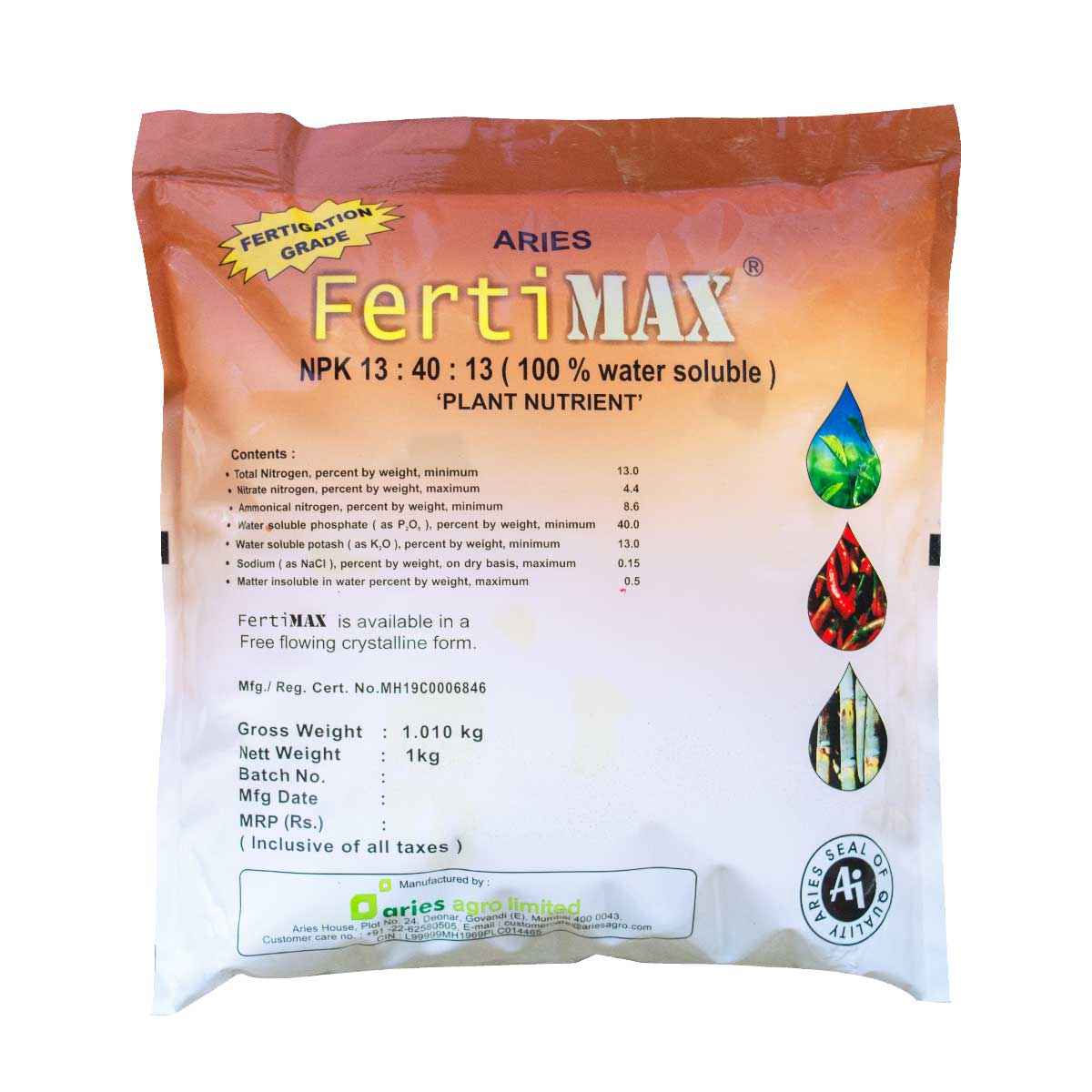
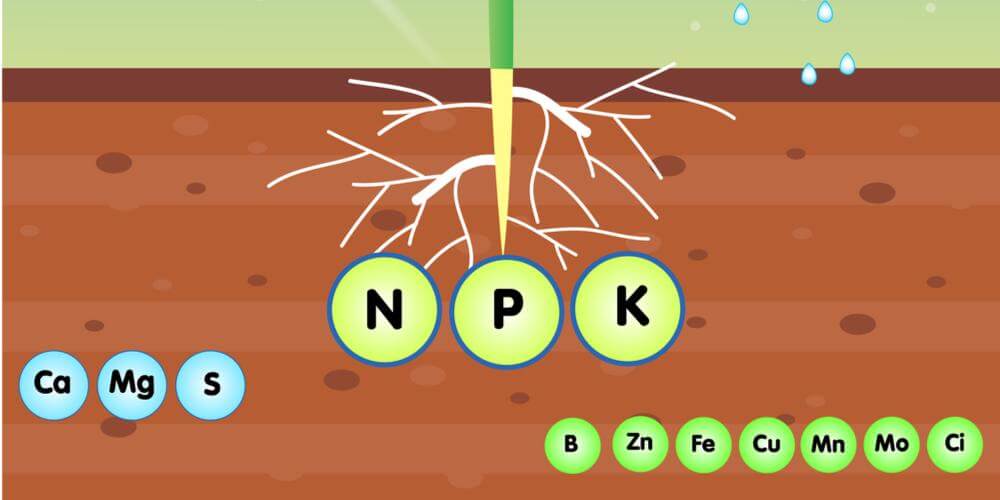
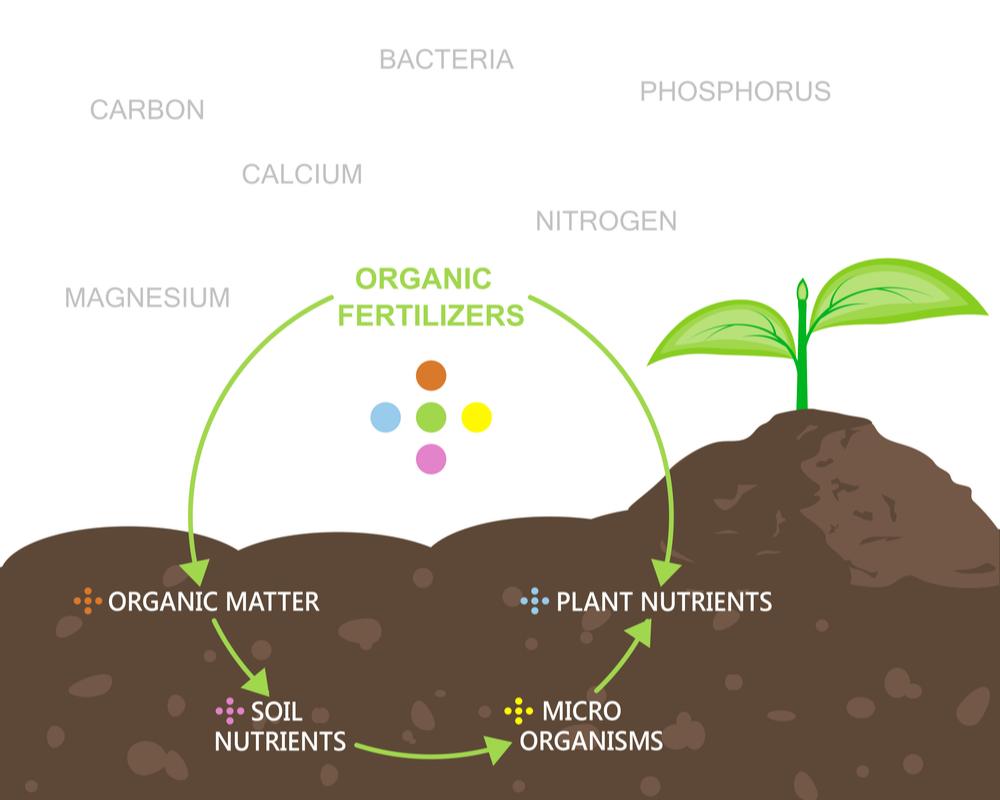
Turnips respond well to balanced nutrition. Apply 15–20 tonnes of well-decomposed FYM per hectare during land preparation.

A recommended fertilizer dose is:

  • Nitrogen (N): 50–60 kg/ha
  • Phosphorus (P₂O₅): 40 kg/ha
  • Potassium (K₂O): 40 kg/ha

Half of the nitrogen and the full dose of phosphorus and potassium should be applied as a basal dose. The remaining nitrogen is applied as top dressing 20–25 days after sowing.

Also read:Top 7 Organic Fertilisers for Coconut Trees

Irrigation Management

Turnip requires regular moisture for uniform root development. The first irrigation should be given immediately after sowing. Subsequent irrigations are given at 7–10 day intervals, depending on soil type and weather conditions.

Water stress can result in tough and cracked roots, while over-irrigation may cause root rot. Proper drainage is essential, especially during rainy periods.

Intercultural Operations

Weeding and hoeing are important during the early growth stage to reduce competition from weeds. The first weeding is done 15–20 days after sowing, followed by another if necessary. Light earthing-up helps support plants and encourages healthy root formation.

Pest and Disease Management

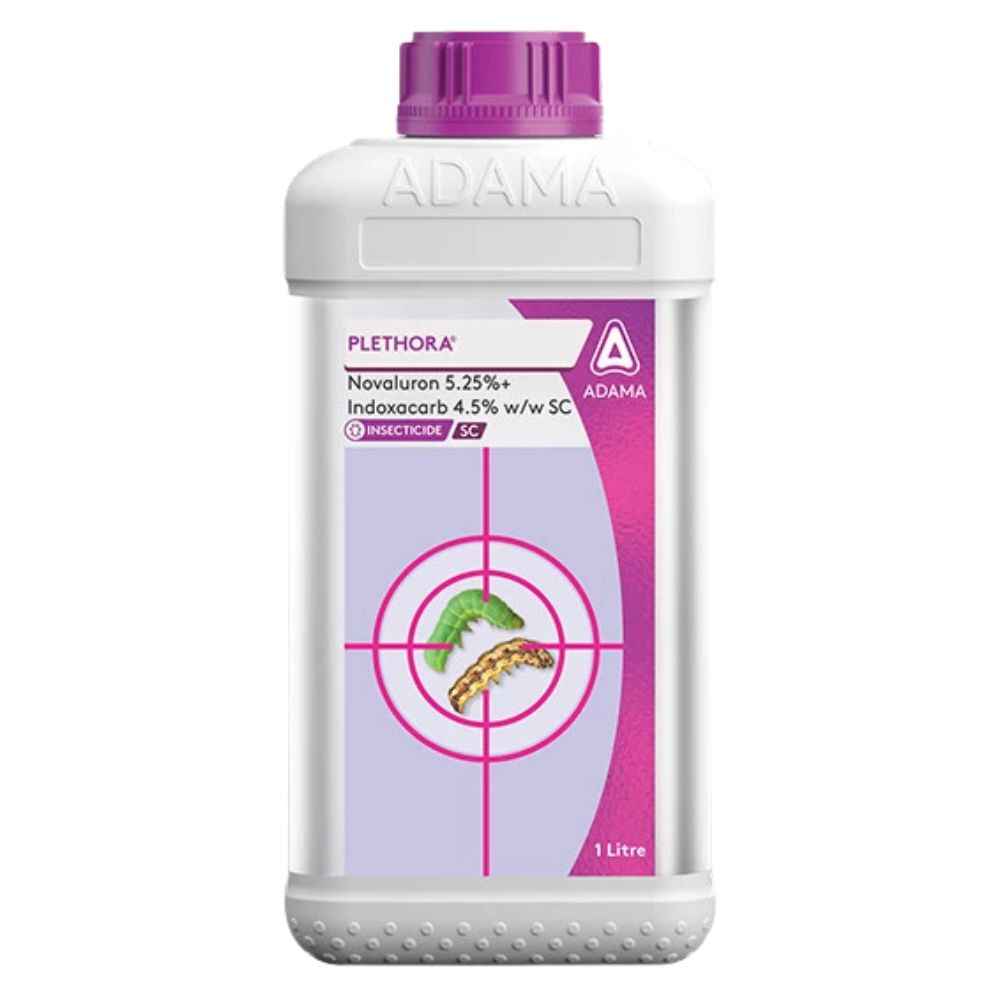
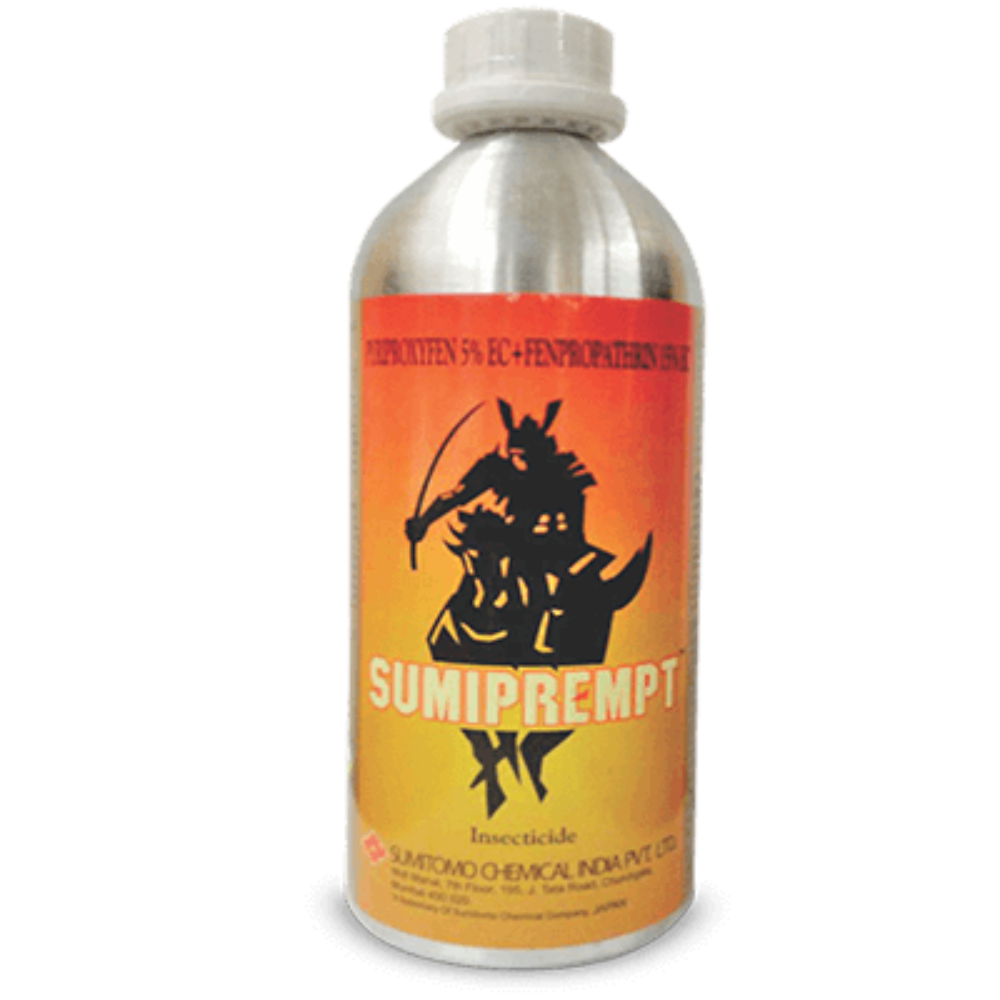
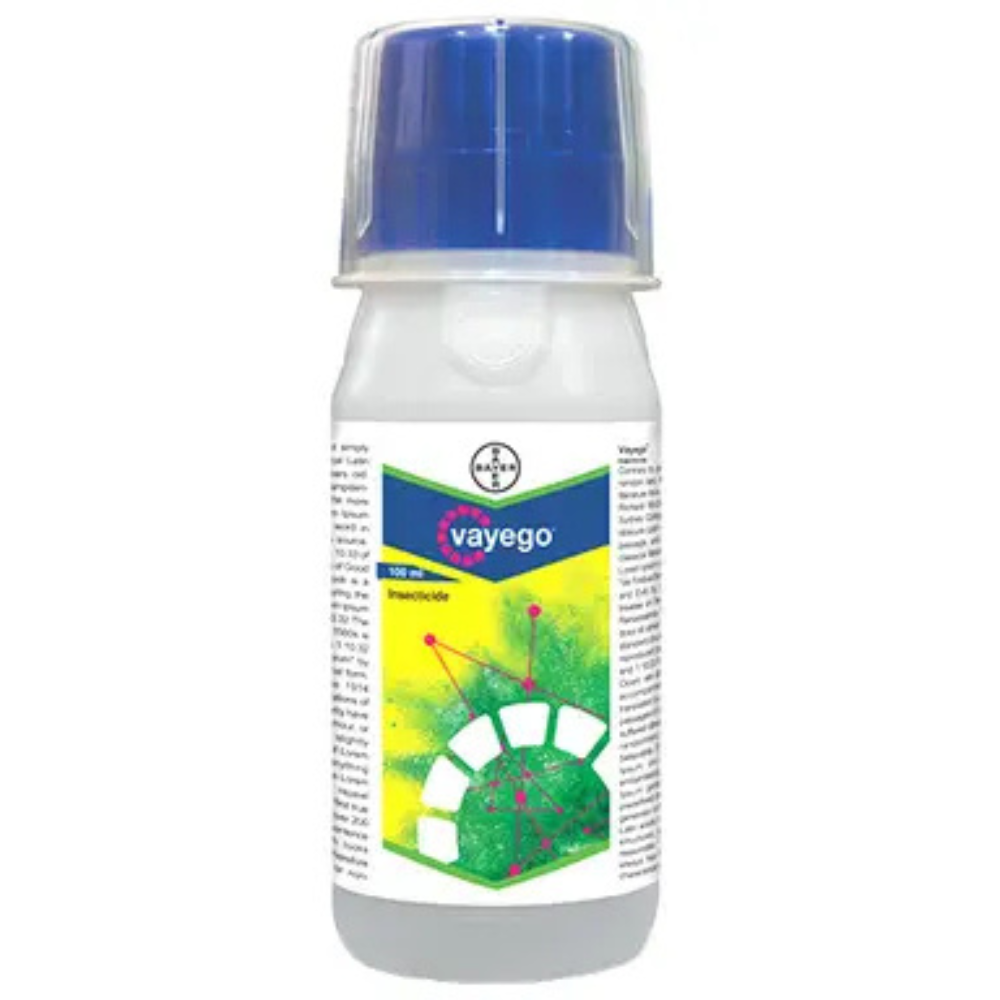
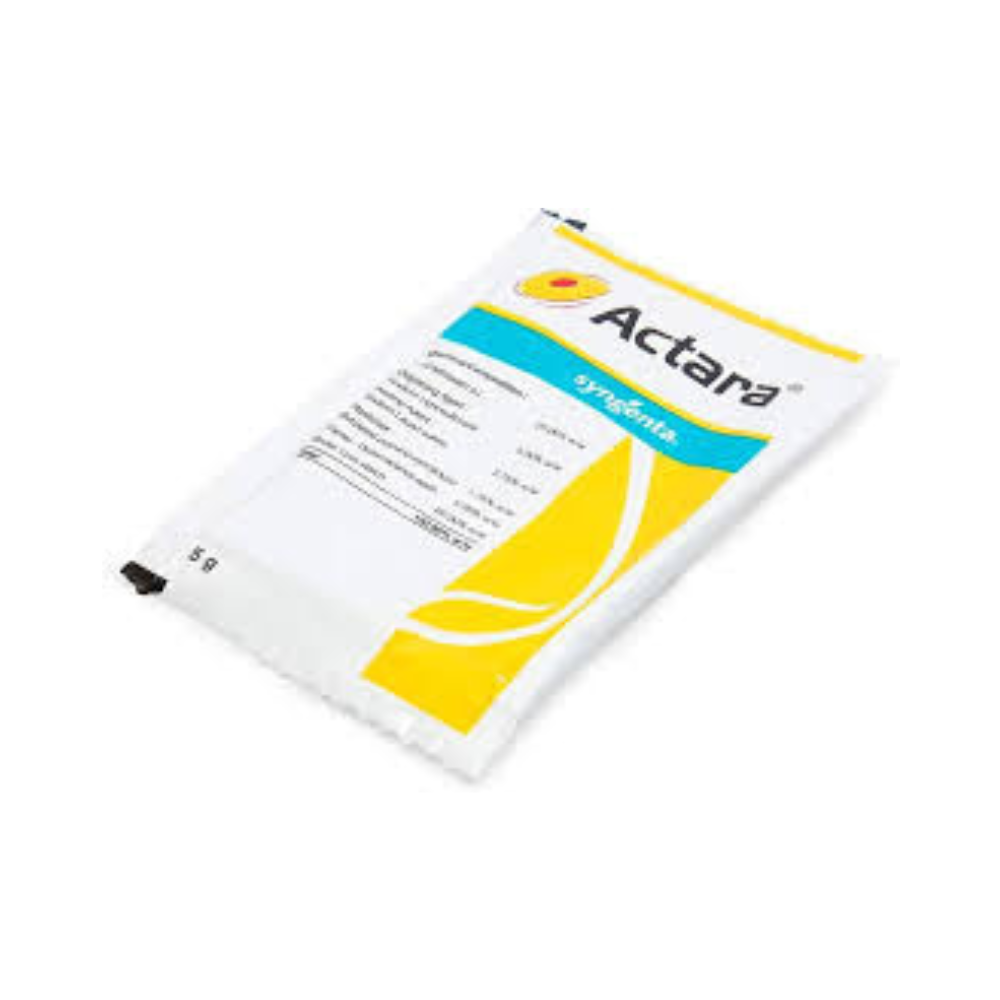
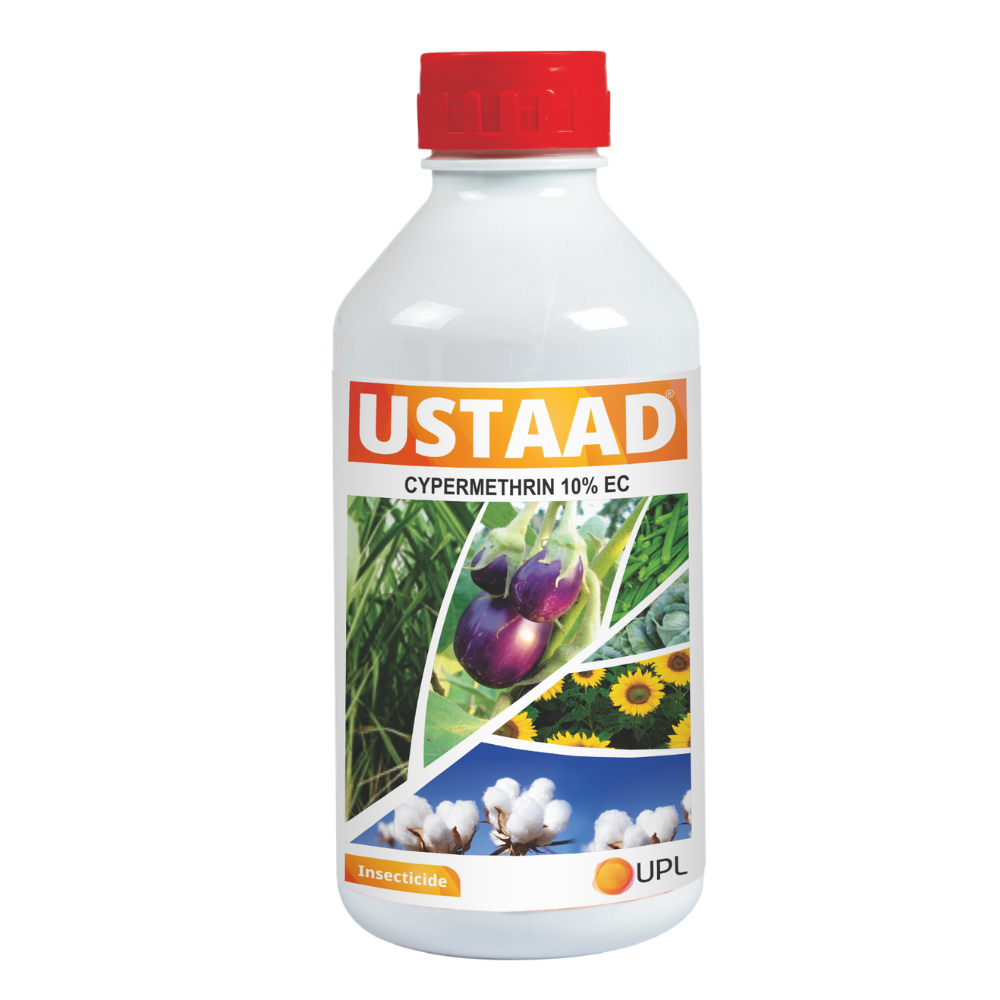
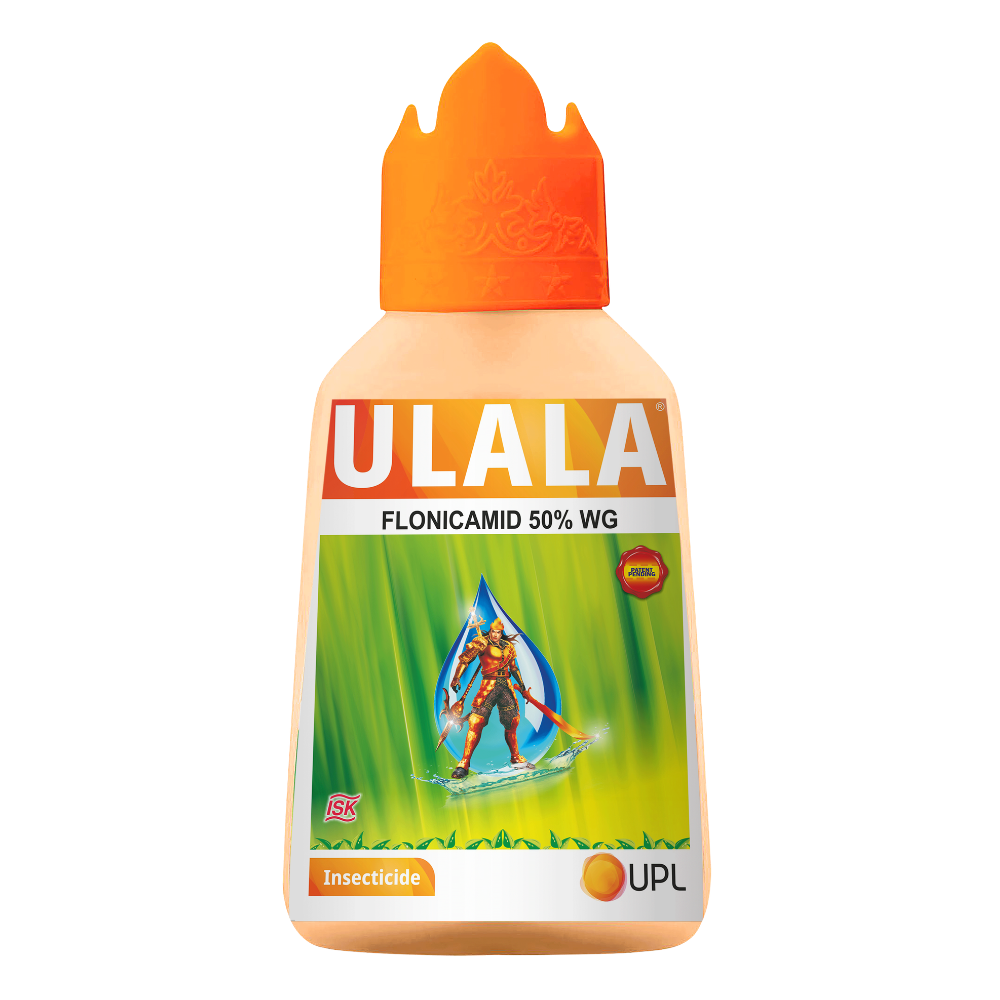
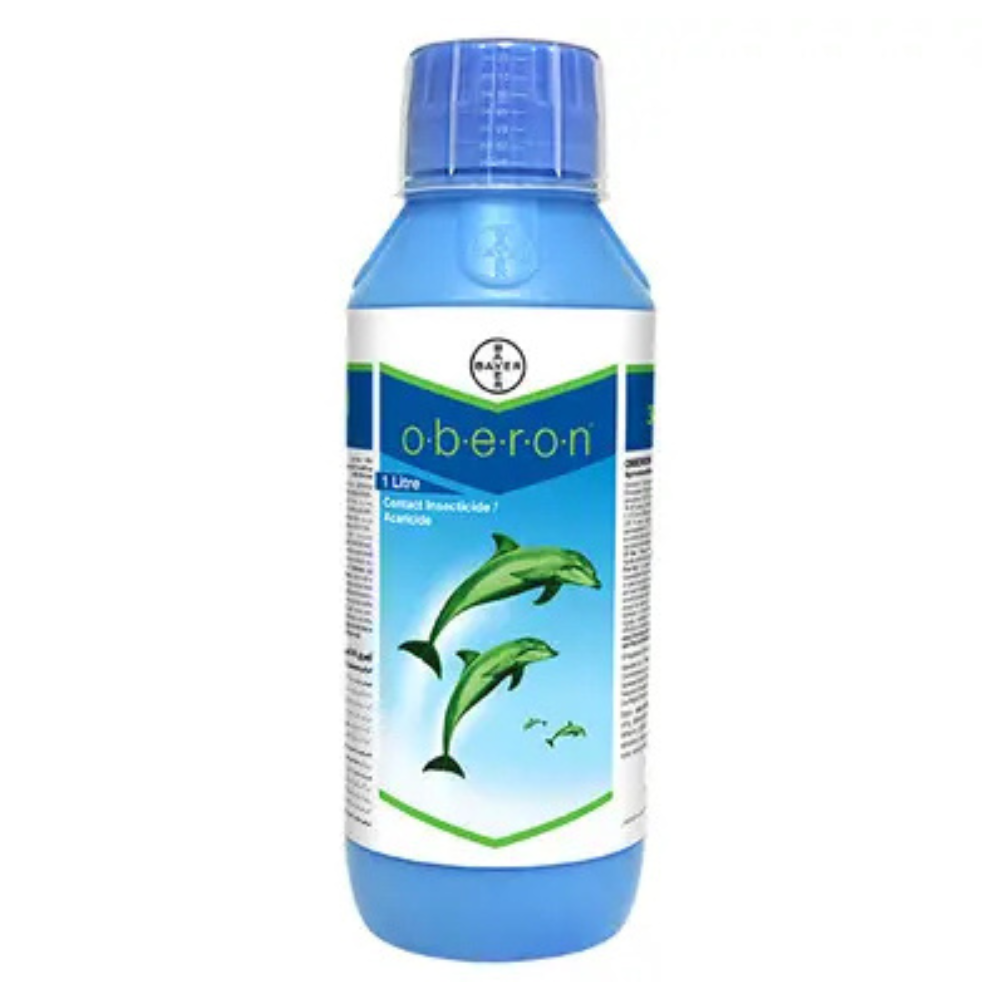
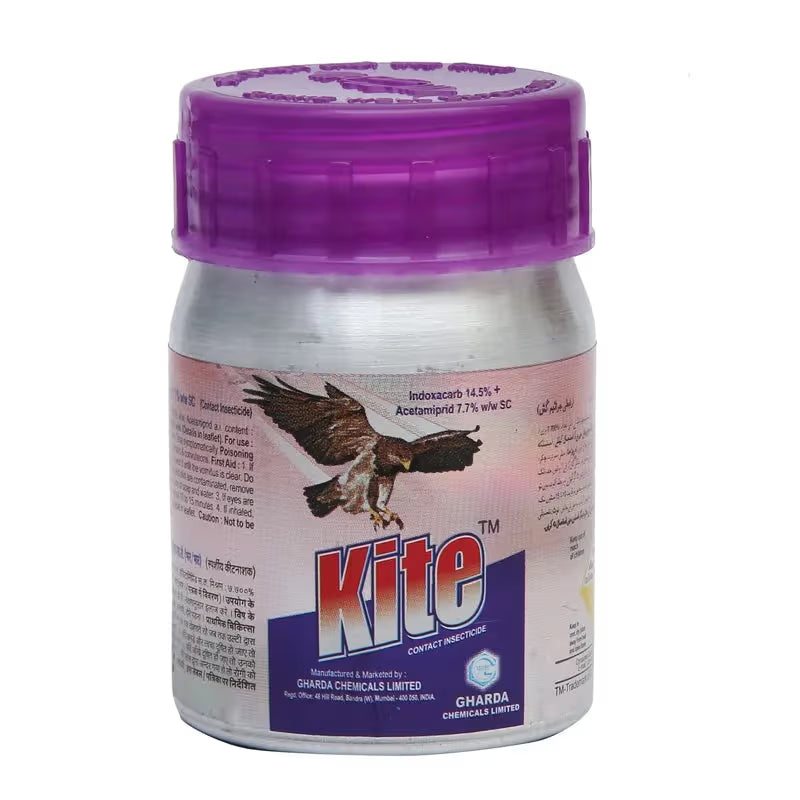
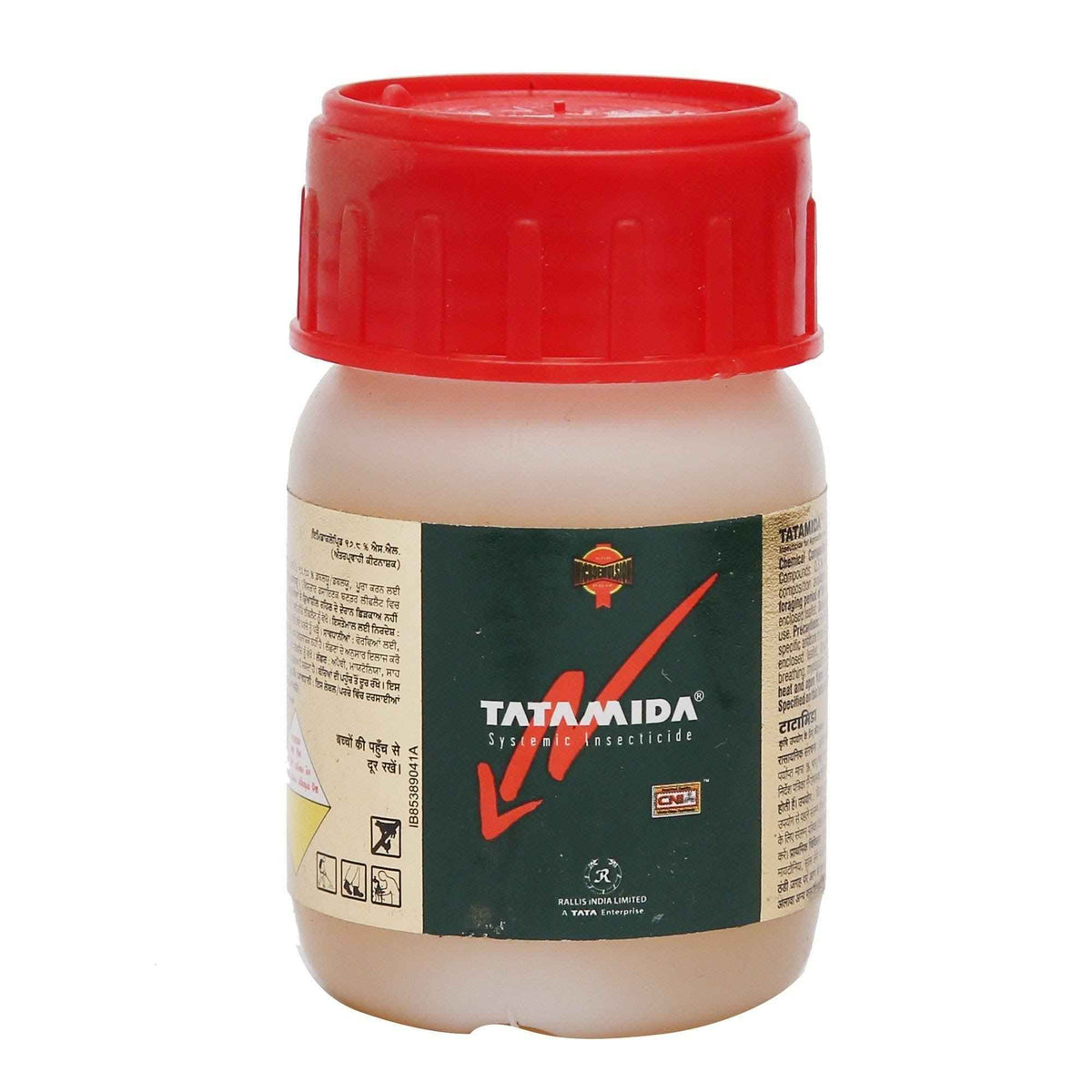
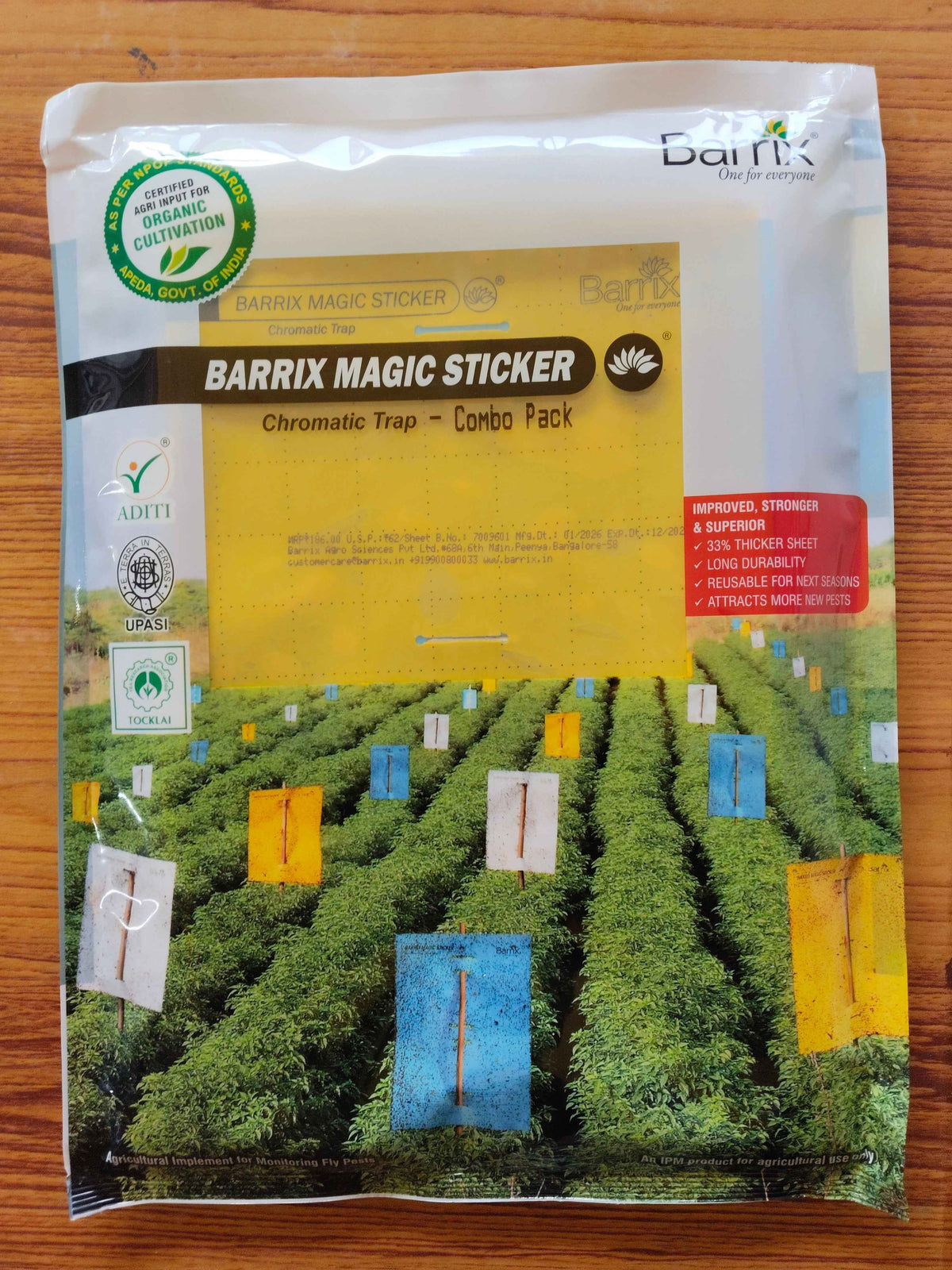
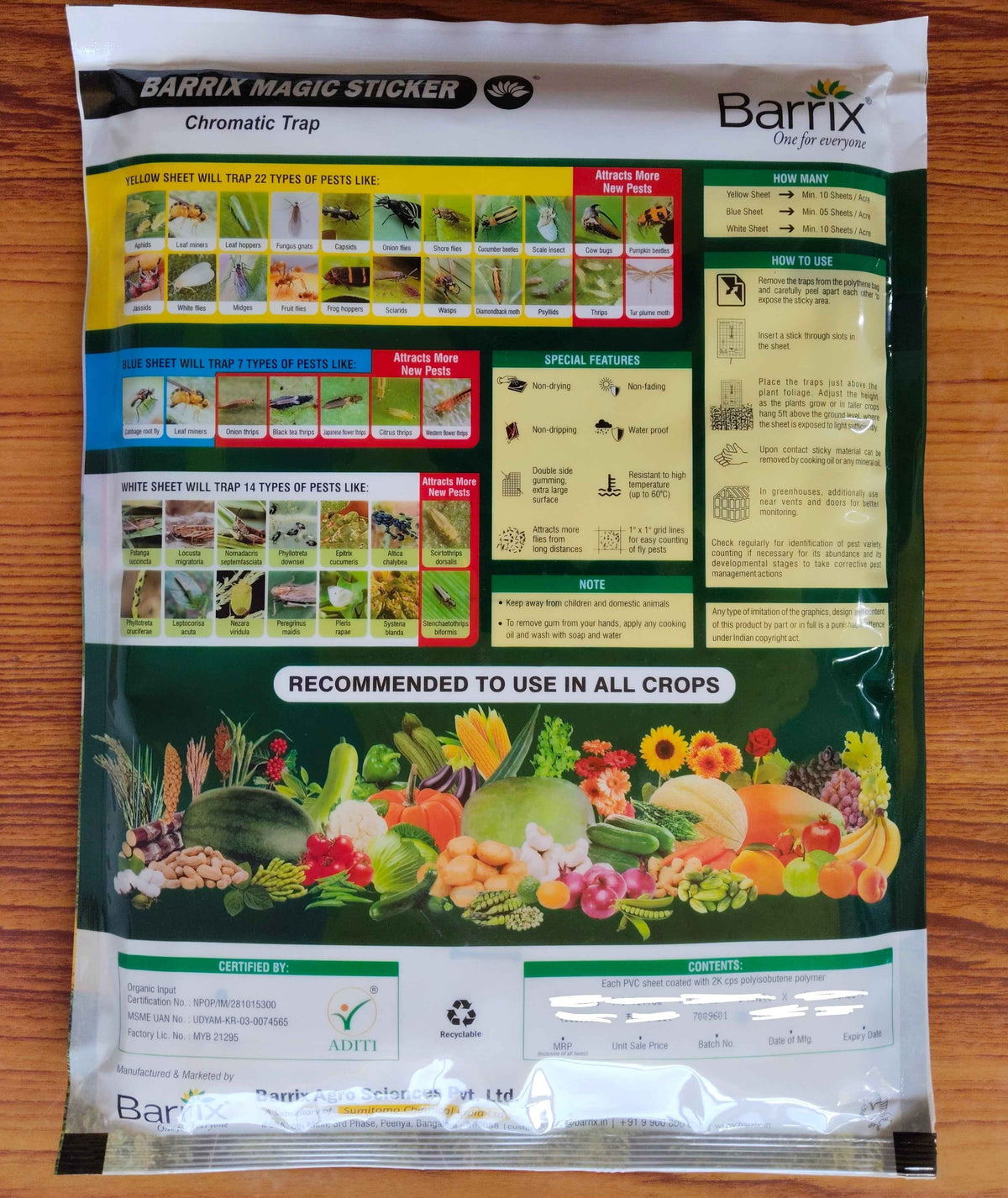
Common pests affecting turnip include aphids, flea beetles, and cutworms. These can be managed through neem-based sprays or recommended insecticides when infestation is severe.

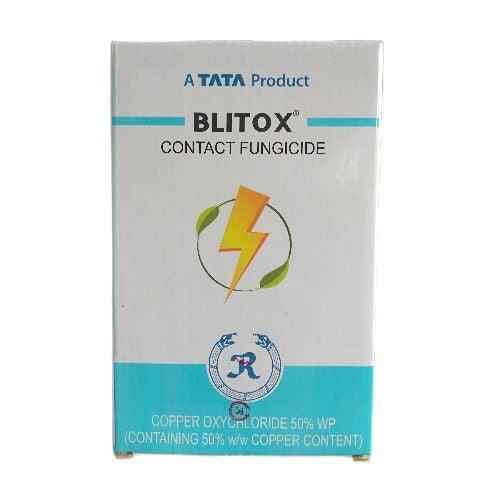
Diseases such as downy mildew, clubroot, and leaf spot may affect the crop. Crop rotation, use of disease-free seeds, and maintaining proper field hygiene help reduce disease incidence.

Harvesting and Yield

Turnips are ready for harvest 40–60 days after sowing, depending on the variety. Roots should be harvested when they are tender and of marketable size. Delayed harvesting can lead to fibrous and pithy roots.

Average yield ranges from 200 to 300 quintals per hectare, depending on variety and cultivation practices.

Frequently Asked Questions (FAQ)

Q1. How long does turnip take to grow?
Turnip is a fast-growing crop and matures within 40–60 days after sowing.

Q2. Can turnip be grown in summer?
Turnip prefers cool weather. Summer cultivation is not recommended as high temperatures reduce root quality.

Q3. What is the best soil for turnip cultivation?
Well-drained loamy or sandy loam soil rich in organic matter is best for turnip farming.

Q4. How often should turnips be watered?
Irrigation should be done every 7–10 days, depending on soil moisture and climate.

Q5. Why do turnips become bitter or woody?
High temperatures, water stress, and delayed harvesting are the main reasons for bitter or woody roots.

Q6. Can turnip leaves also be eaten?
Yes, turnip greens are edible, nutritious, and commonly used as leafy vegetables.

Also Read: Turnip

Show More

Leave a Reply

Your email address will not be published. Required fields are marked *

Back to top button