Rhubarb Vegetable Cultivation
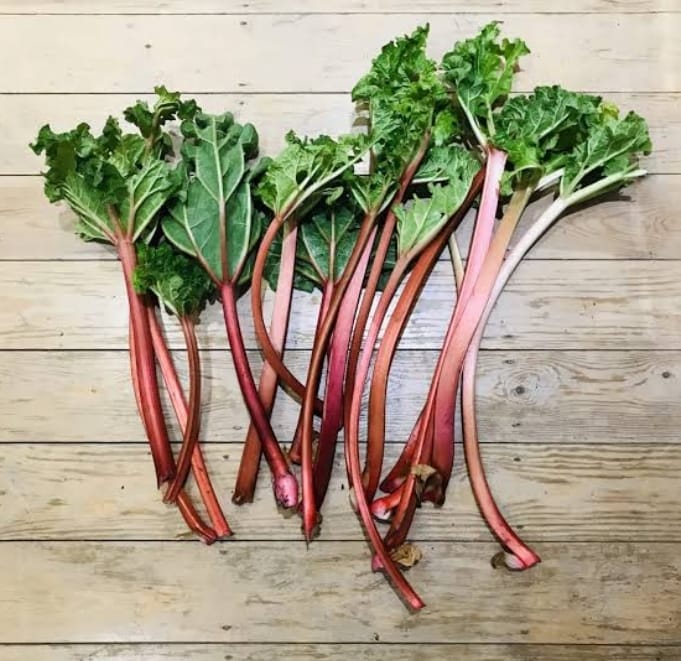
Rhubarb (Rheum rhabarbarum) is a hardy perennial vegetable widely grown for its thick, fleshy stalks, which are used in pies, jams, sauces, and desserts. Although botanically a vegetable, rhubarb is often treated like a fruit in cooking.
With proper care, a single rhubarb plant can remain productive for 8–10 years, making it an excellent long-term crop for home gardeners and commercial growers alike. This guide explains everything you need to know about rhubarb cultivation, from climate and soil requirements to harvesting and yield.
Table of Contents
Climate and Temperature Requirements
Rhubarb grows best in cool to temperate climates. It requires a period of winter chilling to break dormancy and stimulate strong spring growth.
- Ideal temperature range: 5°C to 25°C
- Requires cold winters for high yield
- Performs poorly in extremely hot and humid regions
In warmer areas, rhubarb can still be grown as an annual crop, but yields may be lower. Partial shade during hot afternoons helps protect plants from heat stress.



Soil Requirements
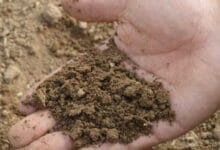
Rhubarb prefers deep, fertile, and well-drained soil rich in organic matter. Loose soil allows the roots to expand freely and prevents waterlogging.
- Soil type: Loamy or sandy loam
- Soil pH: 6.0 to 6.8
- Good drainage is essential to prevent root rot
Before planting, incorporate well-decomposed farmyard manure or compost into the soil to improve fertility and structure.
Land Preparation
Prepare the field by deep ploughing to remove weeds and loosen the soil. Add 20–25 tons of organic manure per hectare and mix it thoroughly into the soil. Raised beds are recommended in areas with heavy rainfall to ensure proper drainage.
Also Read: Zucchini Vegetable Cultivation: A Complete Growing Guide
Planting Method
Rhubarb is usually propagated using crowns or root divisions, as seed-grown plants are slow and may not be true to type.
Planting Time
- Best planting season: Early spring or autumn
- Avoid planting during extreme heat or frost
Spacing
- Row spacing: 90–120 cm
- Plant spacing: 75–90 cm
Place crowns 5–7 cm below the soil surface, ensuring buds face upward. Water immediately after planting.
Water Management
Rhubarb requires consistent moisture, especially during active growth.
- Water regularly but avoid waterlogging
- Mulching helps retain soil moisture
- Reduce watering during winter dormancy
Drought stress can lead to thin stalks and reduced yield, while excess water may cause root diseases.
Fertilizer Management
Rhubarb is a heavy feeder and responds well to balanced nutrition.
- Apply nitrogen-rich fertilizer in early spring
- Side-dress with compost or well-rotted manure annually
- Avoid excessive nitrogen late in the season
Organic fertilizers are preferred for long-term soil health and sustainable production.
Also Read: Top 7 Organic Fertilisers for Coconut Trees
Weed and Mulch Management
Weeds compete with rhubarb for nutrients and moisture, especially during early growth stages.
- Hand weeding or shallow hoeing is recommended
- Apply organic mulch like straw or dry leaves
- Mulching also protects crowns during winter
Avoid deep cultivation near plants to prevent root damage.
Pest and Disease Management
Rhubarb is relatively pest-resistant, but some problems may occur.
Common Pests
- Aphids
- Slugs and snails
Common Diseases
- Crown rot
- Leaf spot
- Root rot
Maintain good drainage, proper spacing, and crop hygiene to reduce disease incidence. Remove and destroy infected plant parts promptly.
Harvesting
Harvesting usually begins one year after planting, once the plant is well established.
- Harvest stalks when they are 25–40 cm long
- Pull stalks gently at the base instead of cutting
- Never harvest more than one-third of the plant at a time
Important Note: Rhubarb leaves are toxic and should never be consumed.
Yield
Under good management practices, rhubarb yields range from:
- 15–20 tons per hectare annually
- Higher yields from mature plants aged 3–5 years
Proper care ensures consistent production over many years.
Post-Harvest Handling
After harvesting:
- Remove leaves immediately
- Wash and trim stalks
- Store at 0–2°C with high humidity for longer shelf life
Fresh rhubarb can be refrigerated for up to two weeks.
Conclusion
Rhubarb cultivation is a rewarding venture for gardeners and farmers looking for a hardy, long-lived vegetable crop. With the right climate, fertile soil, and proper care, rhubarb can provide high yields year after year. Its low pest pressure, long lifespan, and strong market demand make it an excellent addition to diversified vegetable farming systems.
Frequently Asked Questions (FAQ)
Q1: Is rhubarb a fruit or a vegetable?
Rhubarb is botanically a vegetable, although it is commonly used as a fruit in cooking.
Q2: How long does rhubarb take to grow?
Rhubarb takes about one year to establish before the first harvest and reaches full production in 3–4 years.
Q3: Can rhubarb grow in warm climates?
Rhubarb prefers cool climates but can be grown in warmer regions with shade and proper watering, usually as an annual.
Q4: Why should rhubarb leaves not be eaten?
Rhubarb leaves contain oxalic acid, which is toxic to humans.
Q5: How many years does a rhubarb plant produce?
With good care, rhubarb plants can remain productive for 8–10 years or more.
Q6: Can rhubarb be grown in pots?
Yes, rhubarb can be grown in large containers with deep, fertile soil and proper drainage.
Also Read: How to Grow Rhubarb