Taro Plant Cultivation
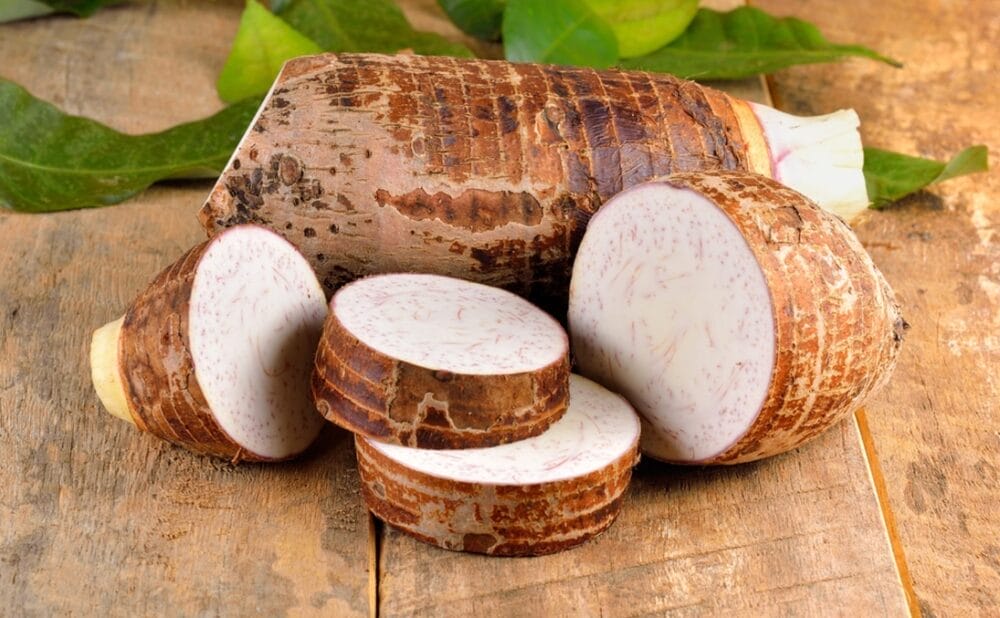
Taro (Colocasia esculenta), commonly known as arbi, colocasia, or elephant ear, is a widely grown root vegetable in tropical and subtropical regions. Valued for its edible corms and leaves, taro is an important crop for both home gardeners and commercial farmers.
With proper soil preparation, water management, and timely care, taro cultivation can be highly productive and profitable.
This guide explains everything you need to know about taro plant cultivation, from climate requirements to harvesting and storage.
Climate and Soil Requirements
Taro thrives in warm, humid climates. The ideal temperature for its growth ranges between 21°C and 30°C. It is sensitive to frost and grows best in areas with moderate to high rainfall.




Taro prefers loamy or clay-loam soil that is rich in organic matter. The soil should have good moisture-holding capacity but also proper drainage to prevent waterlogging. A slightly acidic to neutral soil pH of 5.5 to 7.0 is ideal for healthy growth.
Land Preparation
Proper land preparation plays a crucial role in taro cultivation. The field should be plowed 2–3 times to make the soil loose and weed-free. Incorporating well-decomposed farmyard manure or compost (20–25 tons per hectare) improves soil fertility and moisture retention.
Raised beds or ridges are recommended in areas prone to waterlogging, while flat beds work well in regions with controlled irrigation.
Also Read: Zucchini Vegetable Cultivation: A Complete Growing Guide
Planting Material and Sowing Time
Taro is propagated using corms or corm pieces. Healthy, disease-free corms weighing around 50–100 grams are ideal for planting. Each piece should have at least one bud for proper sprouting.
The best planting season depends on the region:
- North India: February to March
- South and coastal regions: May to June
- Rainfed areas: With the onset of monsoon
Corms are planted at a depth of 7–10 cm with a spacing of 45–60 cm between plants and rows to allow proper growth.
Irrigation Management
Taro is a water-loving crop and requires consistent moisture throughout its growth period. Light irrigation should be provided immediately after planting. Depending on weather conditions, irrigation is usually needed every 7–10 days.
However, stagnant water can cause rotting of corms, so proper drainage is essential. In low-lying areas, channels should be created to remove excess water during heavy rainfall.
Also Read: Litchi Cultivation: Complete Guide for Successful Farming
Nutrient Management
For healthy plant growth and higher yields, balanced fertilization is essential. A general fertilizer recommendation includes:
- Nitrogen (N): Promotes leafy growth
- Phosphorus (P): Supports root and corm development
- Potassium (K): Improves overall plant strength and yield
Organic growers can rely on compost, vermicompost, and neem cake to supply nutrients naturally. Top dressing with nitrogen after 30–40 days enhances vegetative growth.
Weed Control and Intercultural Operations
Weeds compete with taro plants for nutrients and water, especially during the early growth stage. Two to three hand weedings are usually sufficient. Mulching with straw or dry leaves helps control weeds, conserve moisture, and improve soil health.
Earthing up around the base of plants encourages better corm development and prevents exposure of tubers to sunlight.
Pest and Disease Management
Common pests affecting taro include aphids, caterpillars, and beetles. These pests can be managed using neem-based biopesticides or organic sprays.
Diseases such as leaf blight, leaf spot, and corm rot are common under high humidity conditions. Using disease-free planting material, ensuring proper spacing, and avoiding water stagnation can significantly reduce disease incidence.
Harvesting and Yield
Taro is ready for harvest 6–8 months after planting, depending on the variety and growing conditions. Yellowing and drying of leaves indicate maturity. Plants are carefully uprooted, and corms are separated from the roots.
The average yield ranges from 15 to 25 tons per hectare, though good management practices can lead to higher production.
Storage and Marketing
After harvesting, corms should be cleaned and dried in shade. They can be stored in a cool, dry, and well-ventilated place for several weeks. Taro has good market demand due to its culinary and nutritional value, making it a profitable crop for farmers.
Frequently Asked Questions (FAQ)
Q1. How long does taro take to grow?
Taro typically takes 6 to 8 months to reach full maturity, depending on climate and variety.
Q2. Can taro be grown in home gardens?
Yes, taro grows well in home gardens if adequate moisture, rich soil, and partial sunlight are provided.
Q3. Does taro require full sunlight?
Taro prefers partial to full sunlight. Excessive shade can reduce corm development.
Q4. How often should taro be watered?
Irrigation is needed every 7–10 days, ensuring the soil remains moist but not waterlogged.
Q5. What is the best soil for taro cultivation?
Loamy or clay-loam soil rich in organic matter with good moisture retention is ideal.
Also Read: 7 Surprising Benefits of Taro Root