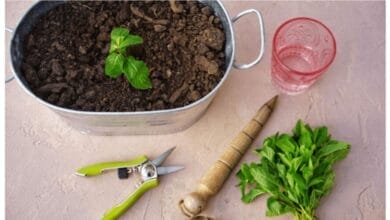
How to Grow Winter Savory in an Organic Herb Garden
Winter savory (Satureja montana) may not be as famous as basil or thyme, but this hardy perennial herb deserves a place in every organic herb garden. Known for its peppery, thyme-like flavor, winter savory is a classic seasoning for beans, lentils, meats, and winter soups. Even better, it’s easy to grow, drought-tolerant, and highly attractive to pollinators.
If you’re looking for a low-maintenance herb that keeps producing year after year, this guide will walk you through everything you need to know about growing winter savory organically.
Table of Contents
What Is Winter Savory?
Winter savory is a woody perennial herb native to the Mediterranean region. Unlike summer savory, which is an annual, winter savory survives cold temperatures and can live for several years when grown in the right conditions.
Quick facts:




- Botanical name: Satureja montana
- Growth habit: Low, bushy perennial
- Height: 10–16 inches
- Flavor: Peppery, earthy, slightly pine-like
- Hardiness: USDA zones 5–9
Why Grow Winter Savory Organically?

Growing winter savory organically ensures a cleaner, more flavorful harvest while supporting soil health and beneficial insects.
Benefits of organic cultivation include:
- Stronger aroma and essential oil content
- No chemical residue on leaves
- Improved soil biodiversity
- Better pollinator support
Winter savory naturally resists many pests, making it ideal for chemical-free gardening.
Also Read: Marigold Farming: A Complete Guide to Profitable Flower Cultivation
Choosing the Right Location
Winter savory thrives in conditions similar to its Mediterranean homeland.
Sunlight Requirements
- Full sun is essential
- Aim for at least 6–8 hours of direct sunlight daily
Soil Preferences
- Well-drained soil is critical
- Sandy or loamy soil works best
- Avoid heavy clay or waterlogged areas
If your soil is heavy, improve drainage by mixing in compost, coarse sand, or well-rotted organic matter.
How to Grow Winter Savory from Seeds

Growing winter savory from seed is economical and rewarding, though it requires patience.
When to Sow
- Start seeds indoors 6–8 weeks before the last frost
- Or sow directly outdoors after frost danger has passed
Seed Starting Tips
- Sow seeds shallowly; they need light to germinate
- Keep soil lightly moist, not soggy
- Germination takes 10–20 days
Once seedlings reach 3–4 inches tall, harden them off before transplanting outdoors.
Growing Winter Savory from Cuttings or Transplants
For faster results, many gardeners prefer cuttings or nursery plants.
- Take semi-hardwood cuttings in late spring or summer
- Root them in moist organic potting mix
- Transplant once roots are established
Transplants should be spaced 12–15 inches apart to allow airflow and bushy growth.
Also Read: Top 10 Winter Vegetables for cultivation at home
Organic Watering and Feeding
Watering Needs
- Water regularly during establishment
- Once mature, winter savory is drought-tolerant
- Overwatering reduces flavor and can cause root rot
Let the soil dry slightly between waterings.
Organic Fertilization
- Winter savory is not a heavy feeder
- Add compost once a year in spring
- Avoid high-nitrogen fertilizers, which promote leafy growth at the expense of flavor
Pruning and Maintenance
Regular pruning keeps plants compact and productive.
- Trim lightly throughout the growing season
- Prune back woody growth in early spring
- Never cut more than one-third of the plant at a time
Pruning encourages fresh, tender leaves with stronger flavor.
Pests and Diseases (Organic Solutions)
Winter savory is naturally pest-resistant, but occasional issues may arise.
Common problems:
- Aphids (rare)
- Root rot from poor drainage
Organic solutions:
- Improve drainage and airflow
- Spray aphids off with water
- Use neem oil only if infestation is severe
Good soil health and sun exposure prevent most problems.
Harvesting Winter Savory

You can begin harvesting once the plant is well established.
Best Harvesting Tips
- Harvest before flowering for best flavor
- Cut young shoots in the morning
- Use sharp scissors to avoid damage
Regular harvesting promotes new growth and keeps the plant productive.
How to Store and Use Winter Savory
Drying
- Tie stems in small bundles
- Hang upside down in a warm, airy place
- Store dried leaves in airtight containers
Culinary Uses
- Bean and lentil dishes
- Roasted vegetables
- Meat marinades
- Herbal teas for digestion
Winter savory is traditionally used to reduce gas from legumes, making it both tasty and functional.
Also Read: The 30 Easiest Seeds to Start Indoors to Get a Head Start on Your Growing Season
Companion Planting with Winter Savory
Winter savory pairs well with:
- Beans
- Peas
- Rosemary
- Thyme
It may help deter bean beetles and improve overall garden biodiversity.
Final Thoughts
Growing winter savory in an organic herb garden is a smart choice for gardeners who value flavor, resilience, and sustainability. With minimal care, this hardy perennial rewards you with aromatic leaves year after year. Give it sun, good drainage, and a little pruning, and winter savory will become a quiet star of your herb garden.
If you’re building a long-lasting organic herb collection, winter savory deserves a permanent spot.
Also Read: About How to Grow Winter Savory in an Organic Herb Garden on gardenary.com Site