

How to Choose the Best Seed Tray
Starting seeds at home or in a nursery is one of the most rewarding steps in gardening. Whether you are growing vegetables, flowers, herbs, or fruit plants, the quality of your seedlings largely depends on one simple tool—the seed tray.
Choosing the right seed tray may look like a small decision, but it directly affects germination rate, root development, transplant success, and overall plant health. In this blog, we’ll explore how to choose the best seed tray and why it matters for successful plant growth.
Table of Contents
Why Seed Trays Matter in Gardening
Seed trays provide a controlled environment for young plants during their most delicate stage. They help maintain proper moisture, temperature, and spacing, which are essential for uniform germination. A good seed tray encourages strong root systems and reduces seed wastage.
On the other hand, a poor-quality tray can lead to waterlogging, weak roots, fungal diseases, and uneven growth.



Types of Seed Trays Available
Before choosing a seed tray, it’s important to understand the different types available in the market.
1. Plastic Seed Trays
Plastic seed trays are the most commonly used. They are lightweight, reusable, affordable, and easy to clean. These trays are ideal for home gardeners and small nurseries. However, low-quality plastic trays may crack easily or lose shape over time.
2. Biodegradable Seed Trays
These trays are made from materials like coco peat, peat moss, paper pulp, or compressed fiber. They can be planted directly into the soil, reducing transplant shock. Biodegradable trays are eco-friendly but may dry out faster and are generally single-use.
Also Read: Top Mango Producing Country in the World: A Deep Dive into the Mango Powerhouse.
3. Plug Trays
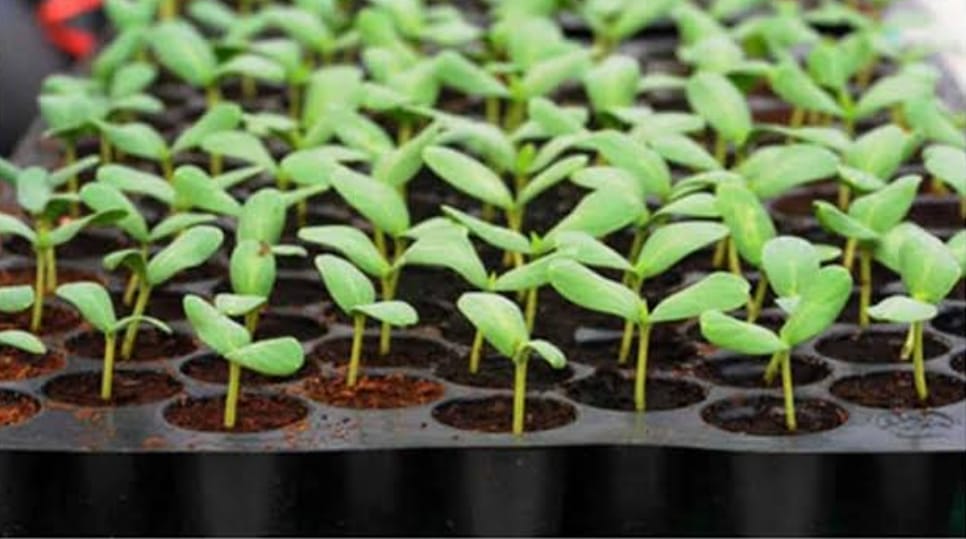
Plug trays contain multiple small cells designed to grow individual seedlings. They are widely used in commercial nurseries for vegetables and flowers. Plug trays help produce uniform seedlings and make transplanting easier.
4. Foam or Thermocol Trays
These trays provide good insulation and are lightweight. However, they are not environmentally friendly and can break easily if mishandled.
Factors to Consider When Choosing the Best Seed Tray
1. Number of Cells
Seed trays come with different cell counts such as 50, 72, 98, 104, or even more.
- Large seeds (pumpkin, cucumber, beans) need trays with fewer and larger cells.
- Small seeds (tomato, chili, lettuce) perform well in trays with more cells.
Choose the cell size based on the type of plant and how long the seedlings will stay in the tray.
2. Drainage Holes
Good drainage is crucial. Always select seed trays with proper drainage holes at the bottom of each cell. Poor drainage leads to waterlogging, root rot, and fungal diseases like damping-off.
3. Tray Depth
Shallow trays are suitable for leafy greens and herbs, while deeper trays are better for plants that develop strong taproots. Adequate depth allows roots to grow freely without becoming root-bound.
Also Read: Why Tomato Cages Are Actually Terrible
4. Material Quality
Choose trays made from durable, food-grade plastic or high-quality biodegradable material. Strong trays can be reused for multiple seasons and withstand regular watering, movement, and cleaning.
5. Reusability and Cleaning
Reusable seed trays are cost-effective in the long run. Make sure the tray can be easily cleaned and disinfected to prevent the spread of diseases between planting cycles.
6. Compatibility with Trays and Domes
Some seed trays are designed to fit standard bottom trays and humidity domes. Using a dome helps retain moisture and warmth during germination, especially in cooler climates.
7. Ease of Transplanting
Seed trays with flexible cells or tapered designs make it easier to remove seedlings without damaging the roots. This reduces transplant shock and improves survival rates.
Seed Trays for Different Gardening Needs
- Home gardening: Plastic plug trays or biodegradable trays
- Commercial nursery: Durable plug trays with uniform cell size
- Organic gardening: Biodegradable or coco peat trays
- Beginner gardeners: Medium-sized plastic trays with good drainage
Common Mistakes to Avoid When Buying Seed Trays
Many gardeners choose seed trays only based on price. This often leads to problems like poor drainage, weak seedlings, and frequent replacement. Avoid trays without drainage holes, extremely thin plastic, or unsuitable cell sizes for your crops.
Tips to Get the Best Results from Seed Trays
- Sterilize trays before reuse
- Use high-quality seed-starting mix
- Avoid overwatering
- Label trays to track varieties
- Place trays in proper light after germination
Conclusion
Choosing the best seed tray is a small but powerful step toward successful gardening. The right tray supports healthy root growth, improves germination rates, and makes transplanting easier.
By considering factors like material, cell size, drainage, and durability, you can select a seed tray that suits your gardening goals and ensures strong, healthy plants from the very beginning.
Frequently Asked Questions (FAQ)
Q1. Which seed tray is best for beginners?
Plastic plug trays with medium-sized cells and good drainage are best for beginners due to their ease of use and durability.
Q2. Can I reuse seed trays?
Yes, plastic and foam seed trays can be reused if properly cleaned and disinfected before each use.
Q3. Are biodegradable seed trays better than plastic ones?
Biodegradable trays are eco-friendly and reduce transplant shock, but plastic trays last longer and are more cost-effective over time.
Q4. What size seed tray should I choose?
Choose the tray size based on seed type. Large seeds need bigger cells, while small seeds grow well in smaller cells.
Q5. Do seed trays need drainage holes?
Yes, drainage holes are essential to prevent waterlogging and root diseases.
Q6. How long can seedlings stay in seed trays?
Most seedlings can stay in trays for 2–4 weeks, depending on plant type and tray size.
Q7. Can seed trays be used indoors?
Yes, seed trays are ideal for indoor seed starting when placed near sunlight or grow lights.
Also Read: How to Choose the Best Seed Tray 104 Hole for Your Gardening Needs


