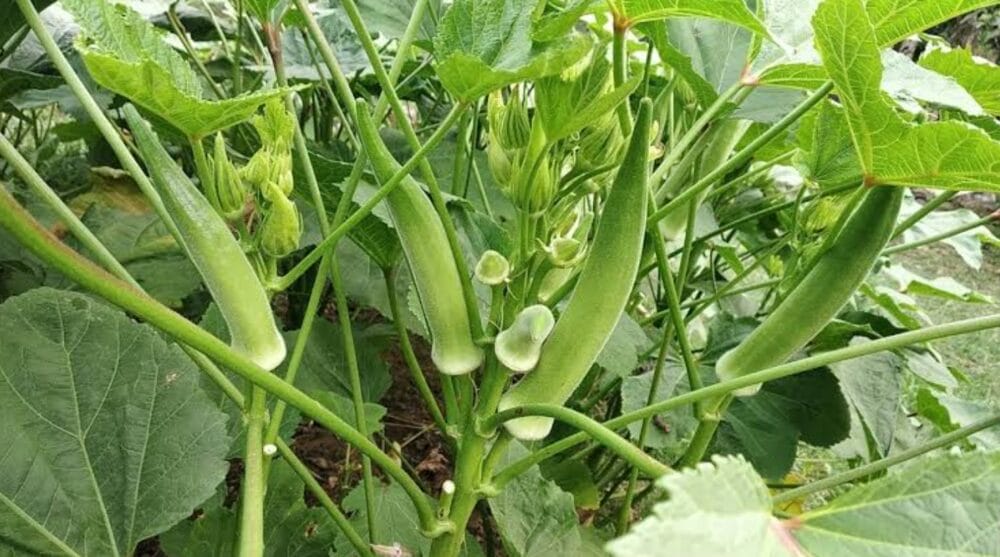
Ladies Finger
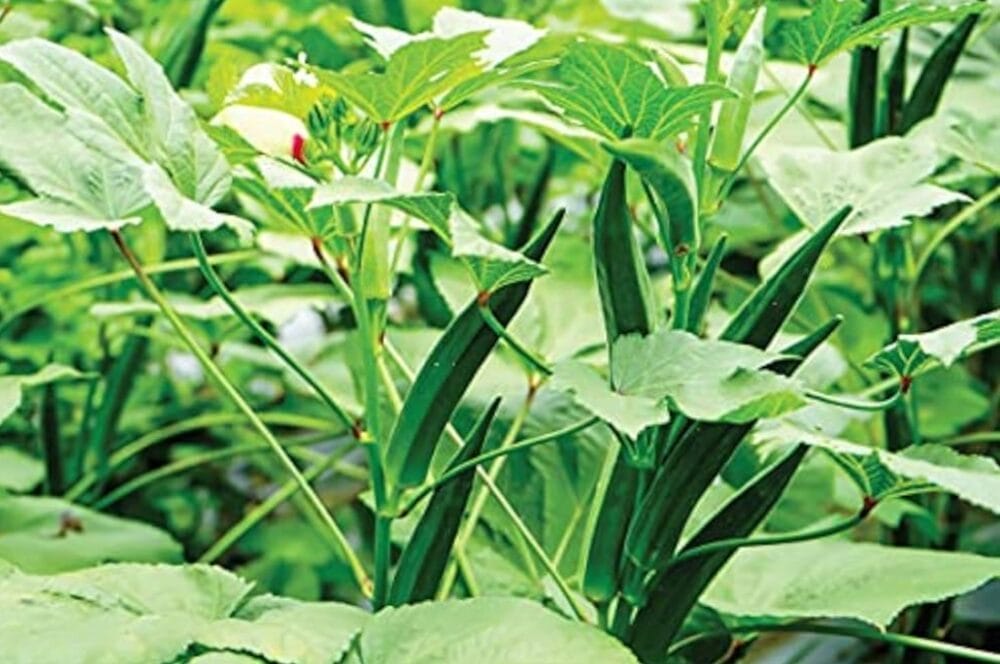
Ladies finger, commonly known as Okra (Abelmoschus esculentus), is one of the most popular vegetable crops grown in tropical and subtropical regions. In India, it is widely cultivated due to its high demand, short growing period, and good market value.
Okra is rich in fiber, vitamins, and minerals, making it an essential vegetable for daily consumption. With proper cultivation practices, farmers and home gardeners can achieve high yields and better quality produce.
Table of Contents
Climate and Soil Requirements
Ladies finger grows best in a warm climate. The ideal temperature for its growth ranges between 25°C to 35°C. It is highly sensitive to frost and waterlogging, so it should not be grown during extremely cold or rainy conditions.
The crop performs well in well-drained sandy loam to clay loam soil with good organic matter. The ideal soil pH ranges from 6.0 to 6.8. Proper drainage is essential, as stagnant water can lead to root rot and poor plant growth.

Land Preparation
Before sowing, the field should be ploughed 2–3 times to make the soil fine and weed-free. Add well-decomposed farmyard manure (FYM) at the rate of 20–25 tons per hectare during land preparation. Raised beds or ridges and furrows are recommended, especially in areas prone to waterlogging.
Seed Selection and Sowing
Select high-yielding and disease-resistant varieties suitable for your region. Popular varieties in India include Arka Anamika, Pusa Sawani, Parbhani Kranti, and VRO-6.
Seeds should be treated with fungicide or biofertilizer before sowing to protect against soil-borne diseases. Sowing is usually done by direct seeding.
- Seed rate: 8–10 kg per hectare
- Spacing: 45–60 cm between rows and 30 cm between plants
- Sowing depth: 2–3 cm
Also Read: Top 8 Micronutrient Fertilizers: Importance, Types, Benefits, and Application
Irrigation Management
Ladies finger requires regular and timely irrigation. The first irrigation should be given immediately after sowing. Subsequent irrigations should be provided at 7–10 day intervals, depending on soil type and weather conditions.
Avoid over-irrigation, especially during flowering and fruiting stages, as it may cause flower drop and disease development.
Fertilizer and Nutrient Management
Balanced nutrition is key to higher yields. Apply fertilizers based on soil testing, but a general recommendation is:
- Nitrogen (N): 100 kg/ha
- Phosphorus (P): 60 kg/ha
- Potassium (K): 50 kg/ha
Apply the full dose of phosphorus and potassium and half of nitrogen as basal dose. The remaining nitrogen should be applied in two split doses during vegetative growth and flowering.
Foliar sprays of micronutrients like boron and zinc help improve flowering and fruit development.
Weed Management
Weeds compete with the crop for nutrients, water, and sunlight. Carry out 2–3 manual weedings during the early stages of crop growth. Mulching with organic materials or plastic mulch helps suppress weeds and conserve soil moisture.
Pest and Disease Management
Common pests in ladies finger include aphids, jassids, whiteflies, and fruit borers. Use integrated pest management (IPM) practices such as neem-based pesticides, pheromone traps, and biological controls.
Major diseases include yellow vein mosaic virus (YVMV), powdery mildew, and damping-off. Growing resistant varieties, seed treatment, and maintaining field hygiene help control diseases.
Also Read: Understanding Coragen Insecticide: A Reliable Solution for Pest Management
Harvesting and Yield
Ladies finger plants start bearing fruits 45–55 days after sowing. Harvest the pods when they are 8–10 cm long and tender. Regular harvesting at 2–3 day intervals encourages continuous fruit production.
- Average yield: 10–15 tons per hectare
- Hybrid varieties can yield up to 20 tons per hectare with good management.
Storage and Marketing
Fresh okra should be stored in a cool and humid environment. For short-term storage, keep pods at 7–10°C. Ladies finger has high market demand throughout the year, making it a profitable crop for both small and large farmers.
Frequently Asked Questions (FAQ)
Q1. What is the best season for ladies finger cultivation?
Ladies finger can be grown in summer and rainy seasons. In North India, sowing is done from February–March and June–July.
Q2. How long does ladies finger take to grow?
The crop starts producing fruits within 45–55 days after sowing.
Q3. Which soil is best for okra cultivation?
Well-drained sandy loam to loam soil with a pH of 6.0–6.8 is ideal.
Q4. How often should ladies finger be irrigated?
Irrigation should be done every 7–10 days, depending on weather and soil moisture.
Q5. Why are okra leaves turning yellow?
Yellowing may be due to nutrient deficiency, viral infection (YVMV), or pest attack.
Q6. How can I increase ladies finger yield?
Use improved varieties, balanced fertilization, timely irrigation, and regular harvesting.
Q7. Is ladies finger suitable for organic farming?
Yes, okra is well-suited for organic cultivation using compost, neem products, and bio-pesticides.
Also Read: Lady Finger Cultivation