Zucchini Vegetable Cultivation
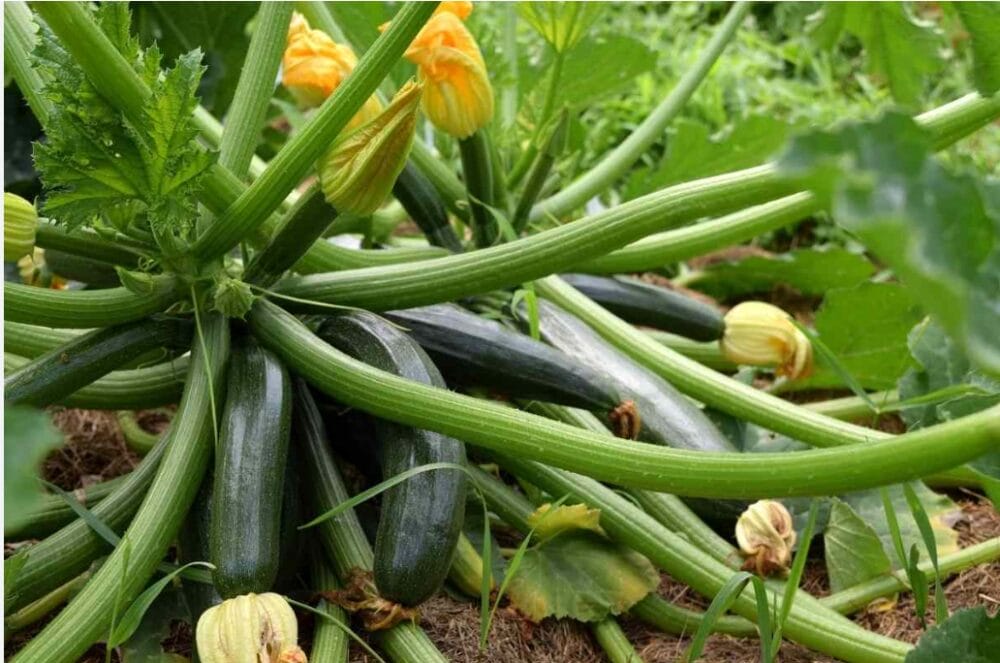
Zucchini (Cucurbita pepo), also known as courgette, is a fast-growing summer squash that is widely cultivated for its tender fruits and high nutritional value. It is popular among home gardeners and commercial farmers because of its high yield, short growing period, and adaptability to different climates.
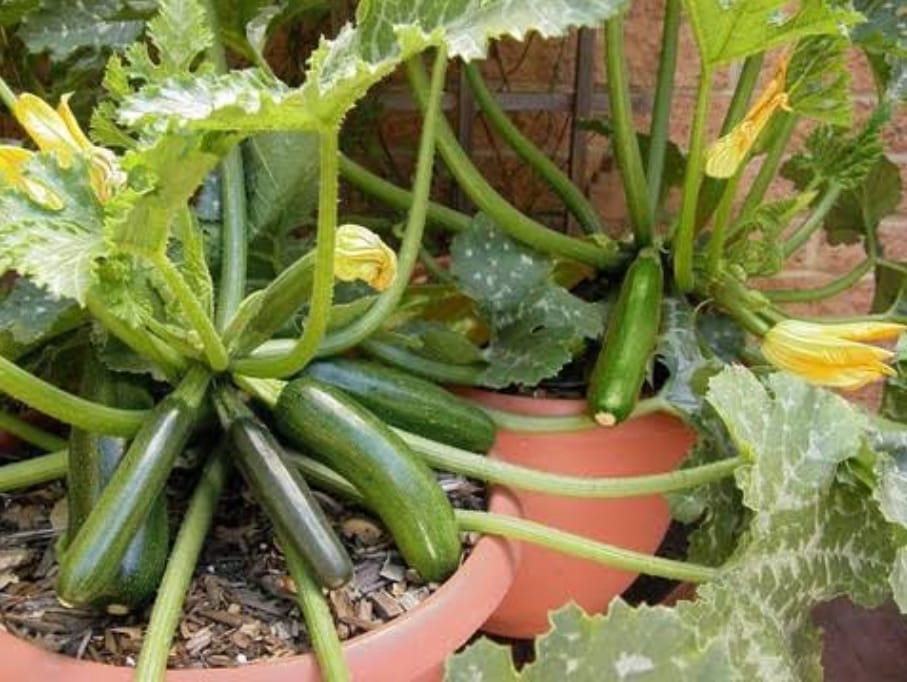
Zucchini can be grown successfully in open fields, kitchen gardens, and even containers with proper care.
This article provides a detailed guide on zucchini cultivation, from climate requirements to harvesting.
Table of Contents
Nutritional Value of Zucchini (per 100 g)
| Nutrient | Amount |
|---|---|
| Energy | 17 kcal |
| Water | 94.8 g |
| Carbohydrates | 3.1 g |
| Dietary Fiber | 1.0 g |
| Sugars | 2.5 g |
| Protein | 1.2 g |
| Fat | 0.3 g |
| Vitamin C | 17.9 mg |
| Vitamin A | 10 µg |
| Vitamin B6 | 0.16 mg |
| Folate (Vitamin B9) | 24 µg |
| Vitamin K | 4.3 µg |
| Potassium | 261 mg |
| Calcium | 16 mg |
| Magnesium | 18 mg |
| Phosphorus | 38 mg |
| Iron | 0.37 mg |
| Sodium | 8 mg |
| Zinc | 0.32 mg |
Climate and Soil Requirements
Zucchini grows best in a warm climate. The ideal temperature for its growth ranges between 18°C and 30°C. It is sensitive to frost, so planting should be done only after the danger of frost has passed. Zucchini requires full sunlight for at least 6–8 hours a day to produce healthy plants and high-quality fruits.



The crop thrives in well-drained, fertile sandy loam or loamy soil rich in organic matter. The ideal soil pH for zucchini cultivation is 6.0 to 7.5. Poorly drained or waterlogged soils can lead to root rot and poor plant growth.
Land Preparation
Proper land preparation is essential for good zucchini production. The field should be ploughed 2–3 times to make the soil loose and weed-free. Add well-decomposed farmyard manure (FYM) or compost at the rate of 15–20 tons per hectare during land preparation. Raised beds or ridges are recommended, especially in areas with heavy rainfall, to improve drainage.
Seed Selection and Sowing
High-quality, disease-free seeds should be selected for sowing. Zucchini can be grown by direct seed sowing, as transplanting is generally not preferred due to its sensitive roots.
- Seed rate: 2–3 kg per hectare
- Spacing: 60–90 cm between plants and 90–120 cm between rows
- Sowing depth: 2–3 cm
Seeds usually germinate within 5–8 days under favorable conditions.
Also Read: Foods for weight loss – Start taking today!
Irrigation Management
Zucchini plants require regular and consistent watering, especially during flowering and fruit development. The soil should be kept moist but not waterlogged. Irrigation is usually done at 5–7 day intervals, depending on soil type and weather conditions. Drip irrigation is ideal as it conserves water and reduces disease incidence by keeping foliage dry.
Nutrient Management
Zucchini is a nutrient-demanding crop and responds well to balanced fertilization.
- Apply Nitrogen (N), Phosphorus (P), and Potassium (K) in a ratio of approximately 100:50:50 kg per hectare.
- Half of the nitrogen and the full dose of phosphorus and potassium should be applied as basal fertilizer.
- The remaining nitrogen should be applied in two split doses during flowering and fruiting stages.
Organic growers can use vermicompost, neem cake, and liquid organic fertilizers to improve soil fertility.
Weed Control
Weeds compete with zucchini plants for nutrients, water, and light, especially during the early growth stage. Hand weeding or hoeing should be done 2–3 times during the crop cycle. Mulching with straw, dry leaves, or plastic mulch helps suppress weeds, retain soil moisture, and improve fruit quality.
Pest and Disease Management
Common pests affecting zucchini include aphids, fruit flies, squash bugs, and red spider mites. These pests can be managed using neem oil sprays, sticky traps, and biological control methods.
Major diseases include powdery mildew, downy mildew, mosaic virus, and root rot. Preventive measures such as crop rotation, proper spacing, and avoiding overhead irrigation help reduce disease incidence. Fungicides and bio-fungicides can be used when necessary.
Also Read: Top 7 Organic Fertilisers for Coconut Trees
Flowering and Pollination
Zucchini plants produce both male and female flowers. Pollination is mainly carried out by bees and other insects. Poor pollination can result in misshapen or undeveloped fruits. Encouraging pollinators or hand pollination in small gardens can improve fruit set.
Harvesting
Zucchini fruits are ready for harvest 40–55 days after sowing, depending on the variety. Fruits should be harvested when they are 15–20 cm long, tender, and glossy. Delayed harvesting leads to oversized fruits with hard skin and reduced taste.
Regular harvesting every 2–3 days encourages continuous fruit production and higher yields.
Yield
Under good management practices, zucchini yields range from 15 to 25 tons per hectare. In home gardens, a single healthy plant can produce 6–10 fruits or more during the growing season.
Storage and Marketing
Fresh zucchini has a short shelf life. It can be stored at 7–10°C with high humidity for up to one week. For marketing, fruits should be sorted, graded, and packed carefully to avoid damage.
Frequently Asked Questions (FAQ)
Q1. When is the best time to grow zucchini?
Zucchini is best grown in spring and summer when temperatures are warm and frost-free.
Q2. Can zucchini be grown in pots?
Yes, zucchini can be grown in large containers (at least 15–20 liters) with proper drainage and sunlight.
Q3. How often should zucchini be watered?
Water zucchini regularly, keeping the soil moist. Avoid overwatering to prevent root diseases.
Q4. Why do zucchini flowers fall off without forming fruits?
This usually happens due to poor pollination, temperature stress, or nutrient imbalance.
Q5. How long does zucchini take to mature?
Zucchini matures quickly and can be harvested within 40–55 days after sowing.
Q6. Is zucchini a high-yielding crop?
Yes, zucchini is a high-yielding vegetable when properly managed.