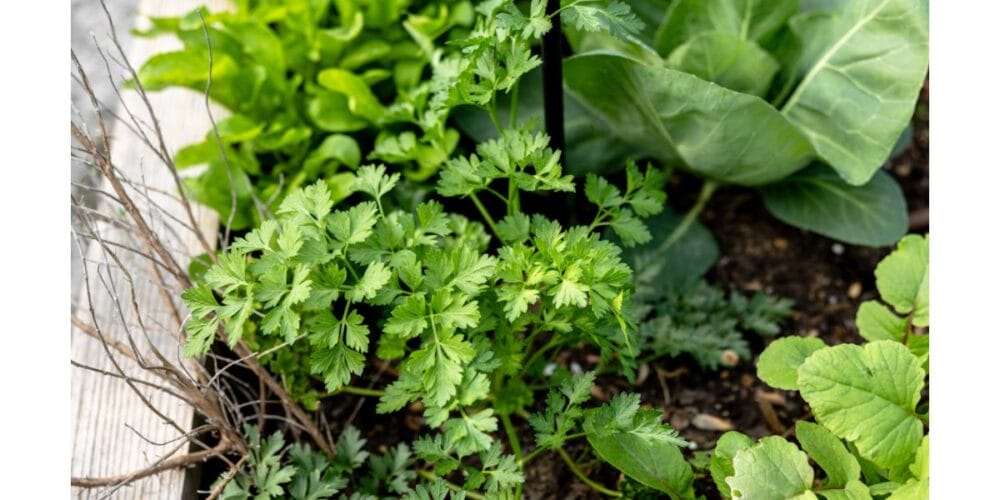
How to Grow Your Own Organic Parsley
Parsley may look like a simple garnish, but this humble herb is packed with flavor, nutrition, and garden value. Whether sprinkled over salads, blended into sauces, or used medicinally, organic parsley deserves a permanent place in your kitchen garden. The good news? Parsley is easy to grow at home with minimal space and care.
In this guide, you’ll learn how to grow your own organic parsley successfully, along with its powerful health benefits and harvesting tips.
Why Grow Organic Parsley at Home?
Growing parsley organically ensures that your harvest is free from chemical pesticides and synthetic fertilizers. Homegrown parsley is fresher, more aromatic, and far more nutritious than store-bought bunches. Plus, parsley plants attract beneficial insects, making them a great companion plant in organic gardens.
Types of Parsley You Can Grow
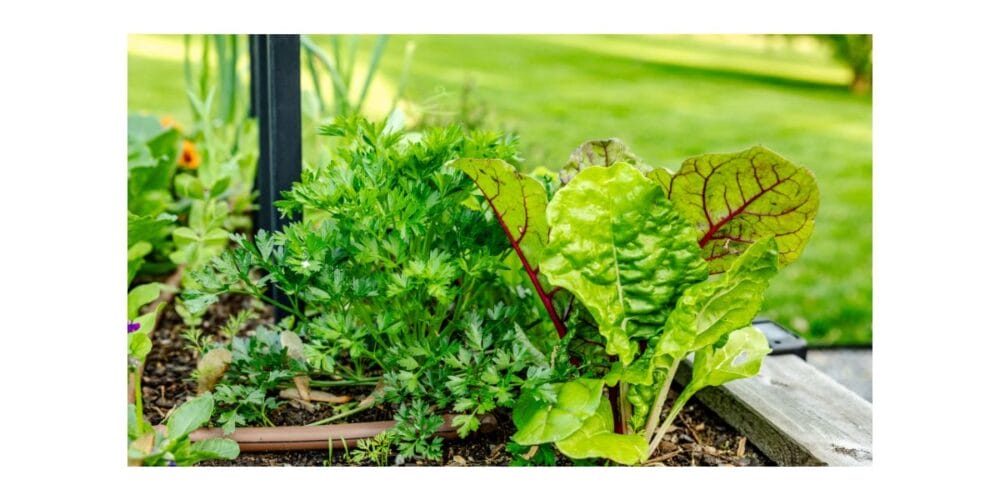
Before planting, it helps to know the two main types of parsley:

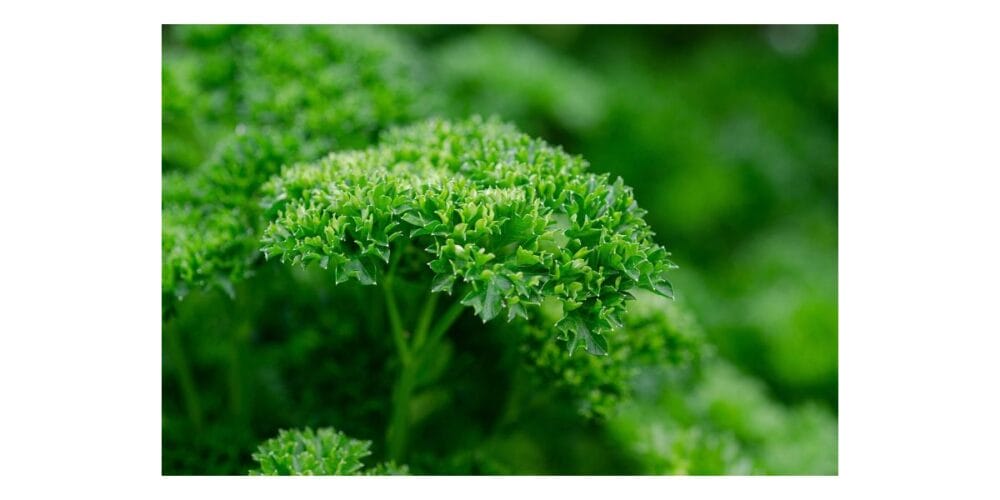
- Curly Leaf Parsley
Known for its decorative, ruffled leaves. Mild in flavor and ideal for garnishing. - Flat-Leaf (Italian) Parsley
Has broader, flat leaves and a stronger flavor. Preferred for cooking and sauces.
Both types are easy to grow organically and thrive under similar conditions.
Best Climate and Growing Conditions
Parsley grows best in cool to mild temperatures, ideally between 15–25°C. It can tolerate light frost and also grows well in partial shade, making it suitable for most regions.
Sunlight
- Requires 4–6 hours of sunlight daily
- Partial shade works well in warmer climates
Soil Requirements
- Loose, well-draining, fertile soil
- Rich in organic matter
- Ideal soil pH: 6.0–7.0
Mix compost or well-rotted farmyard manure into the soil before planting for best results.
Also Read: Beetroot Cultivation: A Complete Guide for Successful Farming
How to Grow Organic Parsley from Seeds
Parsley seeds are slow to germinate, but a little preparation makes a big difference.
Step 1: Prepare the Seeds
Soak parsley seeds in warm water for 12–24 hours before sowing. This softens the seed coat and speeds up germination.
Step 2: Sowing the Seeds
- Sow seeds ¼ inch deep
- Space seeds 6–8 inches apart
- Rows should be about 12 inches apart
You can sow directly in garden beds, raised beds, or containers.
Step 3: Watering
- Keep the soil consistently moist, not soggy
- Germination may take 2–3 weeks, so patience is key
Growing Parsley in Containers
Parsley grows beautifully in pots, making it perfect for balconies and windowsills.
- Use pots at least 8–10 inches deep
- Ensure good drainage holes
- Place containers where they receive morning sun
Container-grown parsley needs slightly more frequent watering than garden-grown plants.
Organic Care and Maintenance
Watering
- Water regularly to keep soil evenly moist
- Avoid waterlogging, which can cause root rot
Mulching
Apply organic mulch such as straw or dry leaves to:
- Retain soil moisture
- Suppress weeds
- Regulate soil temperature
Feeding
Parsley is a light feeder. Apply:
- Compost tea every 2–3 weeks
- Vermicompost or well-rotted compost once a month
Avoid chemical fertilizers to maintain organic integrity.
Also Read: Why Tomato Cages Are Actually Terrible
Common Pests and Organic Control
Parsley is relatively pest-resistant, but you may occasionally see:
- Aphids
- Leaf miners
- Caterpillars
Organic Solutions:
- Spray neem oil solution every 10–14 days
- Hand-pick caterpillars
- Encourage beneficial insects like ladybugs
How and When to Harvest Parsley
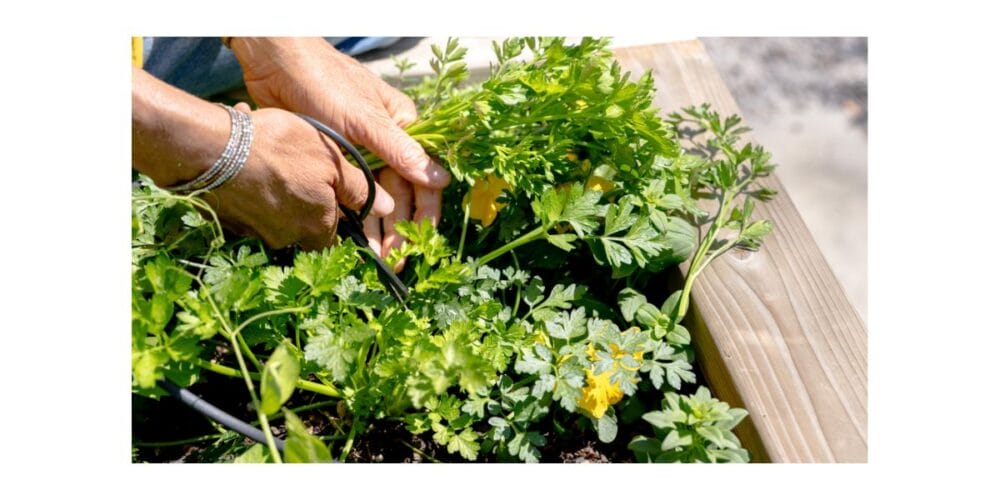
Parsley is ready to harvest 70–90 days after sowing.
Harvesting Tips
- Cut outer leaves first, close to the base
- Never remove more than one-third of the plant at a time
- Regular harvesting encourages bushier growth
Fresh parsley can be harvested continuously for several months.
Also Read: Organic Sweet Potato Farming
Health Benefits of Organic Parsley
Parsley is more than a culinary herb; it’s a nutritional powerhouse.
1. Rich in Vitamins
Parsley is loaded with:
- Vitamin C (boosts immunity)
- Vitamin K (supports bone health)
- Vitamin A (good for vision and skin)
2. Powerful Antioxidant
Contains flavonoids and chlorophyll that help fight free radicals and reduce inflammation.
3. Supports Digestion
Parsley aids digestion and helps reduce bloating and gas naturally.
4. Natural Detoxifier
Acts as a mild diuretic, supporting kidney health and flushing out toxins.
5. Heart Health
Its folate content helps regulate homocysteine levels, supporting cardiovascular health.
Saving Parsley Seeds
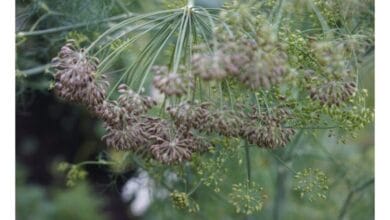
Parsley is a biennial plant. If allowed to flower in its second year, it produces seeds that you can save for future planting. Let seed heads dry on the plant, then collect and store them in a cool, dry place.
Final Thoughts
Growing your own organic parsley is rewarding, economical, and surprisingly simple. With minimal care, you’ll enjoy a continuous supply of fresh, chemical-free leaves that enhance your meals and boost your health. Whether grown in garden beds or containers, parsley is a must-have herb for every organic kitchen garden.
Start planting today, and enjoy the satisfaction of harvesting your own fresh organic parsley straight from your garden
Also Read: About How to Grow Your Own Organic Parsley on gardenary.com Site